2026 Best Cabling Solutions for Efficient Connectivity and Performance?
As technology evolves, the demand for efficient connectivity grows. Businesses and individuals seek effective cabling solutions that enhance performance. The right cabling can make a significant difference in data transmission speed and reliability.
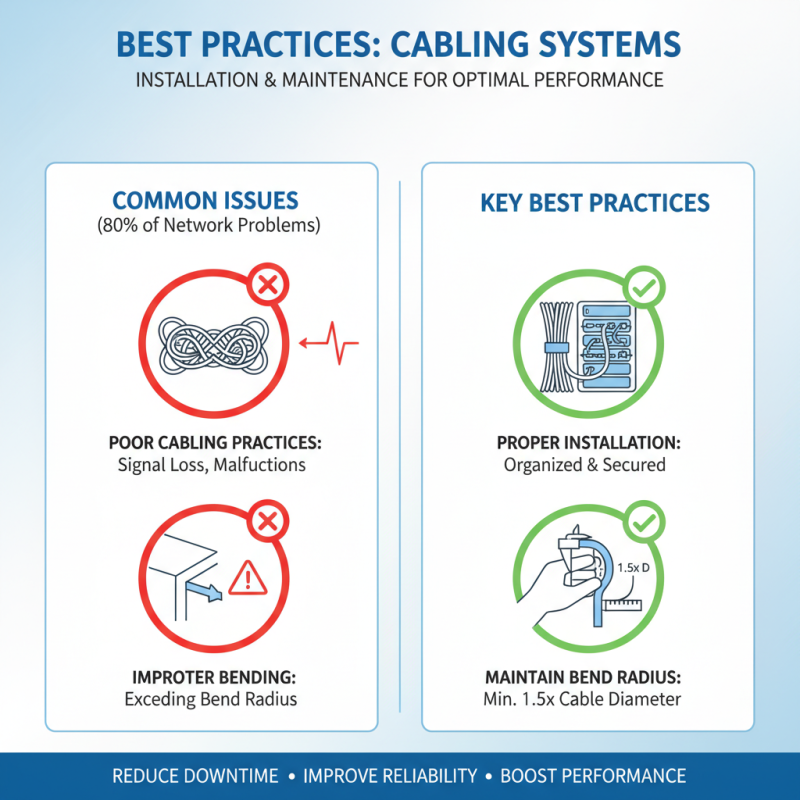
In 2026, the landscape of cabling solutions will transform. New materials and innovative designs are emerging to meet connectivity needs. High-speed internet and cloud services drive this change. However, many users still struggle with inadequate setup. They often overlook the impact of quality cabling on overall network performance.
Investing in superior cabling solutions is crucial. Yet, some may hesitate due to costs. Understanding the long-term benefits is essential. A well-planned cabling infrastructure can improve efficiency tremendously. As we explore the best options for 2026, it’s vital to consider both current needs and future scalability. Reflecting on existing setups can lead to improved decisions.
Overview of Cabling Technologies for 2026
As we approach 2026, the demand for high-performance cabling solutions is higher than ever. Emerging technologies are reshaping how we connect and communicate. The shift towards 5G and IoT is a significant driver, with the global cabling market projected to grow by approximately 15% annually. This growth highlights the urgency to enhance connectivity and efficiency.
Various cabling technologies are being explored. Fiber optic cables stand out, offering superior speed and bandwidth. They can transmit data at rates over 100 Gbps. Yet, installation costs and complexity can deter widespread adoption, leaving a gap to address. Copper cabling remains prevalent due to its cost-effectiveness. However, its limitations in speed and distance make it less viable for future needs. Balancing these options is critical for optimal performance.
Despite advancements, challenges persist. Many businesses struggle to keep pace with evolving standards. Reports indicate that nearly 40% of organizations are still relying on outdated cabling systems. This can lead to bottlenecks and inefficiencies. Investing in the right cabling infrastructure is not just ideal, but necessary to stay competitive in a data-driven world. How we adapt and innovate will shape the connectivity landscape in 2026.
Key Considerations for Selecting Cabling Solutions
When considering cabling solutions for connectivity, several key factors come into play. The type of cable, such as fiber or copper, affects performance. Fiber cables offer high speed and bandwidth. Copper, while more common, may not meet future demands efficiently.
Cost is another crucial aspect. Higher quality cables often come at a premium. It’s essential to balance budget constraints with long-term benefits. Cheaper cables may increase overall expenses due to frequent replacements. Installation complexity also matters. A straightforward setup can reduce labor costs, but some systems require expertise.
Additionally, durability cannot be overlooked. Cables need to withstand environmental factors, especially in outdoor settings. Regular maintenance can be a hassle, yet ignoring this can lead to failures. Reflect on your specific needs before making a choice. Not all solutions fit every environment or situation. Making an informed decision can improve overall connectivity and performance significantly.
2026 Best Cabling Solutions for Efficient Connectivity and Performance
Comparative Analysis of Fiber Optic vs. Copper Cabling
In the ever-evolving landscape of connectivity, the choice between fiber optic and copper cabling remains critical. Fiber optic cables offer significant advantages in speed and bandwidth. They can transmit data at speeds up to 1 Gbps over long distances. This is vital for industries relying on rapid data exchange. However, the installation costs for fiber can be high and complex.
Copper cabling, on the other hand, is less expensive and easier to install. It often performs well in short-distance scenarios. Yet, its speed potential caps at lower levels. A recent industry report indicated that copper networks can struggle with higher bandwidth demands, especially as IoT devices proliferate. Over 70% of organizations report that they face connectivity issues due to bandwidth limitations with copper setups.
Adoption rates for fiber optics are rising, yet many still rely on copper due to its initial cost benefits. This reliance can lead to future challenges. The choice isn't straightforward. Factors like location, environment, and evolving technology must be considered. Making the right decision today can shape network efficiency for years to come.
2026 Best Cabling Solutions for Efficient Connectivity and Performance
| Cabling Type |
Bandwidth Capacity |
Max Distance |
Installation Cost |
Maintenance Cost |
Signal Integrity |
| Fiber Optic |
Up to 100 Gbps |
Up to 40 km |
High |
Low |
Excellent |
| Copper |
Up to 10 Gbps |
Up to 100 m |
Low |
Moderate |
Good |
| Fiber Optic - Single Mode |
Up to 1 Tbps |
Up to 100 km |
Very High |
Very Low |
Excellent |
| Fiber Optic - Multi Mode |
Up to 40 Gbps |
Up to 300 m |
High |
Low |
Very Good |
Future Trends in Cabling Solutions for Enhanced Connectivity
In the ever-evolving world of technology, cabling solutions play a vital role in connectivity.
As we look toward the future, several trends are shaping the landscape.
One significant trend is the rise of fiber optic cables.
They offer high-speed internet and excellent reliability.
This can dramatically enhance performance, especially in data-heavy environments.
Another emerging trend is modular cabling systems.
They allow for easy upgrades and flexibility in design.
Businesses can adapt their networks without significant infrastructure changes.
This modularity will be crucial as demands for bandwidth increase.
Tips: When upgrading, consider future needs.
Integrating scalable solutions will save money long term.
Also, regular assessments of your cabling system can identify weaknesses.
This proactive approach can prevent costly downtime or inefficiencies.
Always keep in mind that every solution may require adjustments over time.
Stay informed on new technologies to make better choices.