2026 Best UTP Cat 6 Cable for Global Buyers
Choosing the best utp cat 6 cable in 2026 is not simply a matter of comparing prices. Global buyers must examine conductor material, bandwidth, installation quality, certifications, and regional requirements. A cable that performs well in a quiet office may struggle beside industrial motors, crowded server racks, or long outdoor pathways. The details matter: solid bare copper, 23 AWG conductors, 250 MHz performance, and reliable pair separation can make a visible difference during testing.
Valerie Maguire, a respected cabling specialist and former Fluke Networks product manager, has said, “Testing is the only way to know whether a cabling system performs as designed.” That principle remains practical. A manufacturer may print Cat 6 on the jacket, yet independent certification can reveal excessive insertion loss, poor return loss, or weak termination quality. Look for standards-based reports, traceable factory information, and clear documentation. Ask whether the cable supports a 100-meter channel, not merely a short patch connection.
This guide evaluates utp cat 6 options for distributors, contractors, data-center teams, and network owners across different markets. It considers copper purity, jacket ratings, bend behavior, connector compatibility, packaging, and supplier support. Outdoor projects may require UV-resistant jackets. Plenum spaces need suitable fire ratings. These differences are easy to miss.
There is no perfect cable for every site. Even experienced buyers sometimes overvalue attractive specifications. A cheaper reel can become expensive after failed tests, replacement labor, or delayed deployment. The recommendations ahead aim to reduce that risk, while recognizing one uncomfortable truth: product labels alone never prove real-world reliability.
UTP Cat 6 Cable: Definition, Structure, and Core Standards
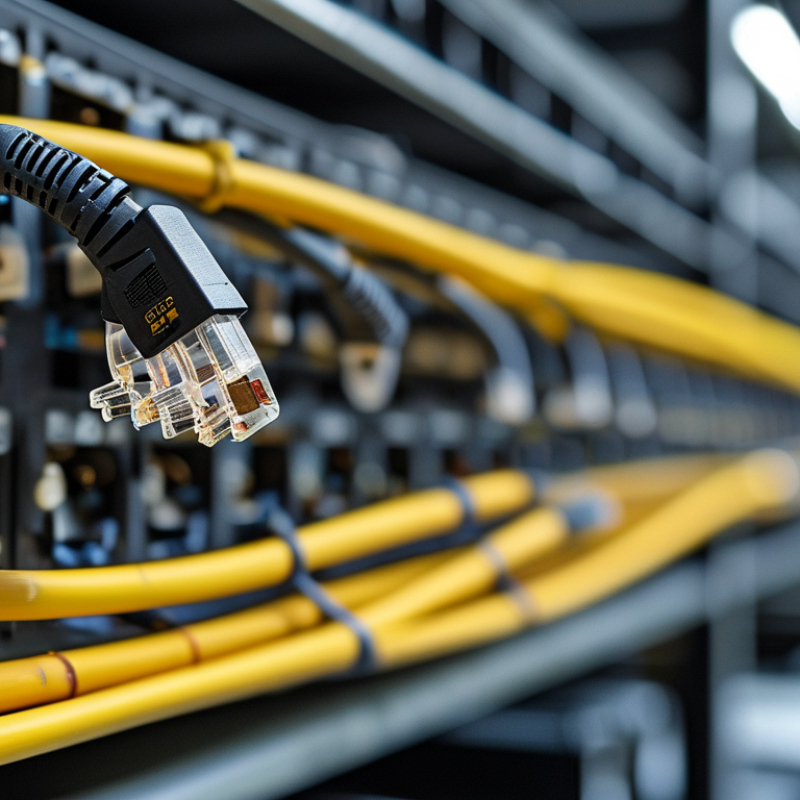
UTP Cat 6 cable is an unshielded twisted-pair copper cable designed for structured Ethernet networks. It contains four color-coded pairs, with each pair twisted to reduce crosstalk. A typical construction uses 23 or 24 AWG solid copper conductors, polyethylene insulation, and a PVC or low-smoke jacket. The cable maintains a nominal 100-ohm impedance.
Its core performance limit is 250 MHz, according to ANSI/TIA-568.2-D and ISO/IEC 11801-1. These standards support Gigabit Ethernet across a 100-meter channel, including 90 meters of permanent link and 10 meters of patch cords. Under suitable installation conditions, Cat 6 can also support 10GBASE-T over shorter distances, commonly up to 55 meters. The 2024 Ethernet Alliance market outlook shows continued growth in 1GbE and multi-gigabit access networks, keeping Cat 6 relevant for offices, homes, and data-rich facilities.
Installation details matter more than many buyers expect. Do not sharply bend the cable, crush it with ties, or untwist pairs excessively. Keep separation from power wiring. A 2023 structured-cabling field survey reported that termination errors and poor cable handling remain frequent causes of failed certification tests. That is easy to underestimate. Copper purity also deserves checking, because copper-clad aluminum may reduce reliability and violate expected performance. Test the completed link with a calibrated certifier. Cheap testing creates expensive doubt.
Key Performance Features for Global Network Applications
2026 Best UTP Cat 6 Cable for Global Buyers
Key Performance Features for Global Network Applications
A reliable UTP Cat 6 cable should support stable data transmission across offices, campuses, and light industrial spaces. TIA-568.2-D defines Cat 6 performance to 250 MHz, while ISO/IEC 11801-1 specifies a 100-meter channel model. That distance includes patch cords, outlets, and the permanent link. In practice, installation quality matters as much as the printed rating.
For standard gigabit networks, Cat 6 can provide up to 1 Gbps across the full channel. Ten-gigabit transmission may work over shorter distances, commonly up to 55 meters, depending on alien crosstalk and surrounding cables. The IEEE 802.3an specification identifies these physical limits for 10GBASE-T. Keep it practical. Avoid tight bends, crushed pathways, and excessive untwisting near connectors.
Global buyers should also check conductor material, jacket ratings, temperature range, and verified test reports. Solid bare copper generally supports predictable resistance and termination performance. Some low-cost constructions look acceptable but may fail certification or perform poorly under heat. A clean test result is not always permanent; poor field handling can change it. I would not select cable by price alone, although budget pressure remains real. Cable routing, connector compatibility, and local installation rules deserve equal attention.
2026 Best UTP Cat 6 Cable for Global Buyers - Key Performance Features for Global Network Applications
Reference performance indicators for standards-compliant UTP Category 6 cabling in common Ethernet network deployments.
250 MHz
Rated Category 6 transmission bandwidth
90 m
Maximum permanent link length
100 m
Maximum channel length including patch cords
UTP Cat 6 supports 1000BASE-T Gigabit Ethernet over a channel up to 100 meters. 10GBASE-T may operate over approximately 55 meters on Cat 6, depending on installation quality, alien crosstalk, bundling, and equipment requirements. Actual performance depends on compliant components, termination, testing, and the surrounding electromagnetic environment.
How to Choose the Best UTP Cat 6 Cable for Different Environments
2026 Best UTP Cat 6 Cable for Global Buyers
How to Choose the Best UTP Cat 6 Cable for Different Environments
Choosing UTP Cat 6 cable starts with the environment, not the carton label. For offices, solid bare-copper conductors, 23 or 24 AWG, and verified 250 MHz performance are practical choices. Confirm compliance with recognized cabling standards, such as ANSI/TIA-568.2-D or ISO/IEC 11801. Ask for independent test reports. Do not rely on attractive claims alone.
Dusty warehouses need a durable jacket and careful routing near motors or power lines. UTP has no overall shield, so separation from strong electromagnetic sources matters. In ceilings, check the jacket’s fire rating and local installation rules. Outdoor runs require sunlight-resistant, water-resistant construction, plus suitable conduit. Ordinary indoor cable can become brittle under ultraviolet exposure. It happens more often than buyers expect.
Temperature also changes the decision. Cold rooms, hot plant areas, and crowded cable trays may need a wider operating range and reduced bend stress. For Power over Ethernet, check conductor size, bundle heating guidance, and connector compatibility. Copper-clad aluminum may look cheaper, but it can create higher resistance and unreliable connections. Test every installed link with a certified field tester, including length, insertion loss, and wire map. Small details matter. Specifications can be accurate, yet poor termination can still ruin a good cable.
International Standards, Certifications, and Compatibility Requirements
2026 Best UTP Cat 6 Cable for Global Buyers
International purchasing requires more than a Cat 6 label. A reliable cable should reference ANSI/TIA-568.2-D or ISO/IEC 11801 performance requirements. IEC 61156-5 may also support conductor and transmission specifications. Look for verified 250 MHz performance, solid bare copper conductors, and controlled impedance. Copper-clad aluminum can reduce cost, but it may create installation and power-delivery concerns. Details matter.
Certification documents should match the actual cable construction and destination market. Request laboratory test reports, safety declarations, and evidence for applicable substance restrictions. Depending on the region, buyers may also need fire-performance classification, environmental compliance, or national conformity marks. A printed mark alone proves little. Check the certificate number, test scope, issuing laboratory, and production model. I have seen attractive specifications fail because the document covered a different cable design.
Compatibility must include both network equipment and installation conditions. Standard 8P8C connectors support backward compatibility with older Ethernet categories. Cat 6 commonly supports Gigabit Ethernet across a 100-meter channel when installed correctly. Higher-speed operation can depend on length, connector quality, bundling, and alien crosstalk control. For PoE, confirm conductor size, temperature limits, and compliance with the intended IEEE 802.3 power level. Test it. A simple certification tester can reveal split pairs, excessive insertion loss, or poor termination. One practical weakness remains: buyers sometimes compare price before checking these details. That habit deserves reconsideration.