Top 2026 Network Patch Cable Trends You Need to Know?
In the rapidly evolving world of networking, understanding the trends of network patch cables is essential. According to a report from the International Data Corporation, the global market for network cables is expected to grow by 6% annually through 2026. This growth highlights the increasing demand for reliable connectivity in both residential and commercial settings.
Expert Dr. Jane Thompson, a leading figure in network infrastructure, notes, "Network patch cables are the backbone of any effective communication system." Her insight reminds us that while technology advances, the fundamental role of quality cabling remains crucial.
As we look to the future, the innovation in materials and design is noteworthy. While many cables boast superior performance, some still fall short in durability. This inconsistency raises questions about industry standards. The challenge ahead is to ensure consumers can trust the quality of network patch cables as they invest in their digital infrastructure. Recognizing these trends will be vital for both consumers and manufacturers alike.

Emerging Technologies Impacting Network Patch Cables in 2026
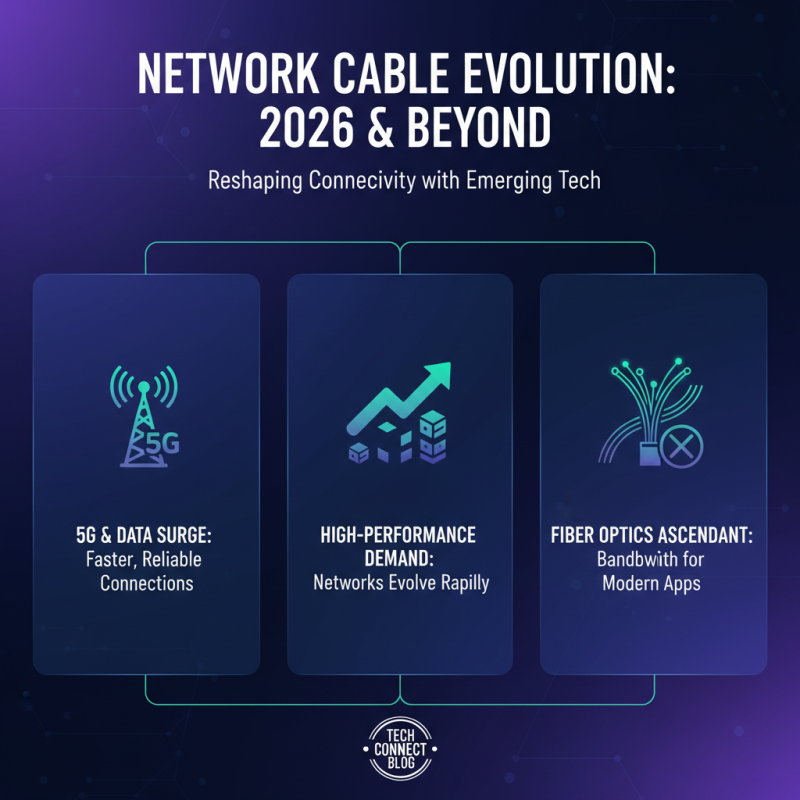
In 2026, emerging technologies are set to reshape the landscape of network patch cables. With the rise of 5G, users demand faster and more reliable connections. This surge in data traffic requires networks to evolve rapidly. The need for high-performance patch cables is crucial. Fiber optics may become the preferred choice over traditional copper cables. Their ability to handle bigger bandwidths is essential for modern applications.
Moreover, advancements in smart technologies will influence cable standards. Devices will increasingly communicate, leading to more complex network setups. Users may face challenges adapting to these changes. The integration of AI could also optimize cable routing and maintenance. However, this technology’s reliance on algorithms may raise concerns. How will errors be detected in automated systems?
Sustainability trends are another focus. Manufacturers are exploring eco-friendly materials for patch cables. But not all solutions may effectively reduce environmental impact. The balance between performance and sustainability remains delicate. Not every innovation will meet user expectations. Continuous learning and adaptation will be key in navigating these complexities.
Innovations in Material Science for Enhanced Patch Cable Performance
In recent years, advancements in material science have significantly influenced network patch cable performance. Innovative materials enhance durability and data transmission speed. For example, new composite materials reduce electromagnetic interference, which is crucial in densely populated data centers. According to a recent industry report, cables made with these materials can improve performance by up to 30% compared to traditional options.
Tips: When choosing cables, consider those that utilize next-gen materials. They might be more expensive, but the long-term benefits can outweigh the initial investment.
Additionally, some manufacturers are exploring bio-based plastics. These materials not only reduce environmental impact but also perform well under various conditions. Data indicates that cables made from these materials are highly resistant to wear and tear, extending their lifespan. However, not every bio-based product meets strict performance standards, which is something to investigate.
Tips: Always check specifications and lab results before purchasing. This can save you from unexpected failures in critical setups. Proper research leads to better choices.
Trends in Cable Design: Flexibility, Durability, and Aesthetic Appeal
In recent years, cable design has evolved significantly. Flexibility has become a key factor. Modern network patch cables are designed to bend easily without damaging the internal wiring. This feature is crucial in tight spaces, where traditional cables might struggle. Users often appreciate cables that can adapt to their environment without breaking.
Durability is another important trend. Manufacturers focus on creating cables that withstand wear and tear. Reinforced connectors and tougher materials extend the life of these cables. However, not all designs achieve this balance. Certain cables can feel too rigid, making them difficult to manage. Finding the right blend of toughness and flexibility is still a work in progress.
Aesthetic appeal shouldn't be overlooked. With the rise of home offices, users want cables that look good. Cables are available in various colors and textures. This change caters to a more design-conscious audience. But, it's essential to remember that visual appeal shouldn't compromise performance. Striking the right balance can be challenging. Users often need to weigh priorities before making a choice.
Sustainability Standards: Eco-Friendly Practices in Cable Manufacturing
Eco-friendly practices are becoming essential in cable manufacturing. Many companies are now prioritizing sustainability. This shift reflects a growing awareness of environmental issues. For instance, recyclable materials are increasingly used in production. This change is not just beneficial for the planet, but also appeals to conscious consumers.
However, not all manufacturers are meeting these sustainability standards. Some still rely on harmful materials. This inconsistency raises questions about their commitment to eco-friendliness. Transparency in sourcing materials is crucial. Consumers want to know where their products come from. The industry still has a long way to go in adopting sustainable practices.
One emerging trend is the development of biodegradable cables. These products break down naturally, reducing waste in landfills. Yet, this innovation is still in its infancy. Technical challenges remain, making widespread adoption difficult. Awareness and education are key to driving these changes. The future of cable manufacturing hinges on how well the industry embraces sustainability.
Top 2026 Network Patch Cable Trends
Future-Proofing Network Infrastructure: Adapting to 5G and Beyond
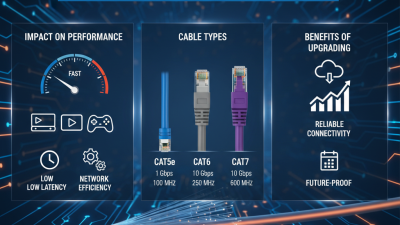
As we embrace the era of 5G and beyond, network infrastructure must evolve. Analysts predict a 30% increase in demand for faster data transmission by 2026. This shift necessitates a focus on high-quality patch cables that support higher bandwidth. Future-proofing our networks is not merely an option; it’s essential. Fiber optic cables are becoming more prevalent, offering speeds that copper simply cannot match.
Tip: Invest in cables that offer flexibility and durability. Look for options with higher bend radii, which can reduce stress on connections. This helps in maintaining signal integrity over time.
While many organizations are upgrading, some still cling to outdated technologies. Failing to adapt can lead to inefficiencies and gaps in performance. Research shows that companies using outdated infrastructure experience up to 40% slower data transfer rates. The need for robust patch cables will only grow as smart devices proliferate in homes and businesses.
Tip: Conduct regular audits of your network equipment. Ensure compliance with the latest standards. Evaluate existing cables and replace where necessary to optimize performance.