2026 Top Cat 6 Patch Panel Choices for Efficient Networking?
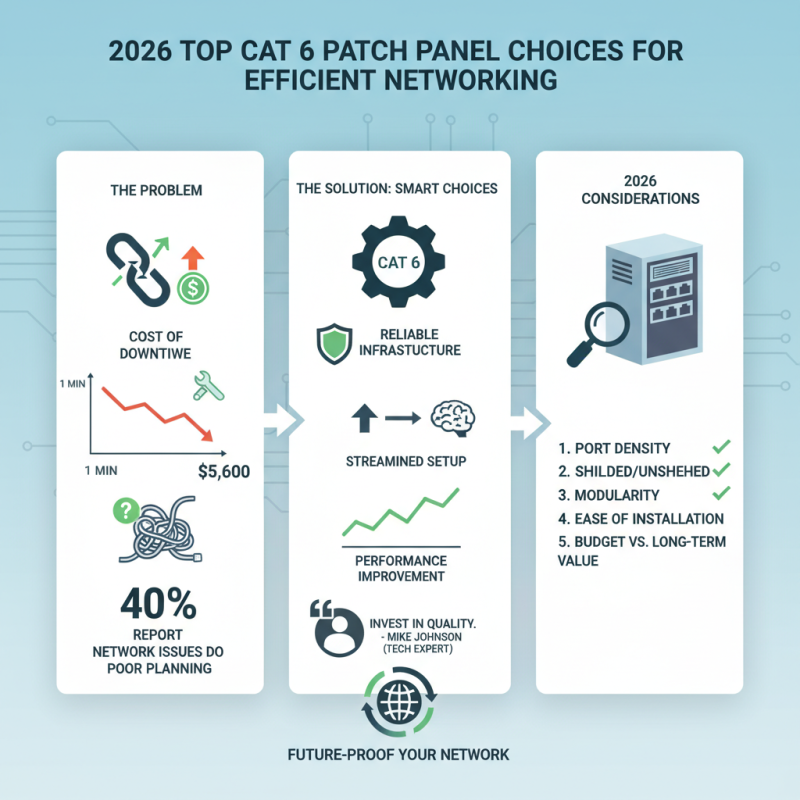
In the ever-evolving world of networking, choosing the right components is essential for optimal performance. The cat 6 patch panel is crucial for managing network connections effectively. According to a recent industry report by TechInsights, network downtime can cost businesses up to $5,600 per minute. Investing in quality patch panels is vital to minimize such risks.
Expert Mike Johnson, a leading figure in the networking industry, emphasizes, “The right cat 6 patch panel can streamline your network setup.” As more devices connect to networks, the importance of reliable infrastructure grows. Many choice options exist, yet selecting a suitable patch panel can be overwhelming.
Administrative mistakes can lead to inefficient setups, possibly affecting network speed and reliability. Sometimes, it's easy to overlook the significance of each component. Industry data shows that without adequate planning, 40% of IT teams report issues related to network performance. As you evaluate options for 2026, it's crucial to reflect on your specific networking needs to make informed choices.
Overview of Cat 6 Patch Panels and Their Importance in Networking
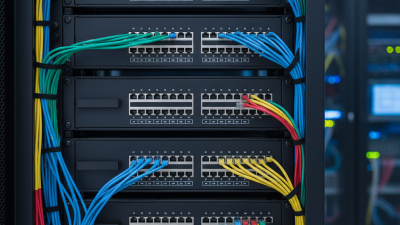
Cat 6 patch panels are vital components in networking. They facilitate the organization and management of network cables, streamlining connections. Properly installed, they reduce clutter. This efficiency leads to enhanced network performance. However, many overlook their importance. Understanding how to choose the right patch panel can make all the difference.
When selecting a patch panel, consider factors like port density and configuration. A higher port density can save space but may complicate management. Simplicity in design is often overlooked. It can lead to errors during installation. Look for user-friendly features that allow easy access for changes or troubleshooting. Reviews often hint at common pain points in setup and maintenance.
Wiring standards should also be top of mind. Improper wiring can undermine network effectiveness. Testing your connections periodically is essential. Many users neglect this, resulting in avoidable downtime. Remember, an effective network is not just about speed but also reliability. Investing time in choosing a patch panel wisely pays off.
Key Features to Consider When Choosing a Cat 6 Patch Panel
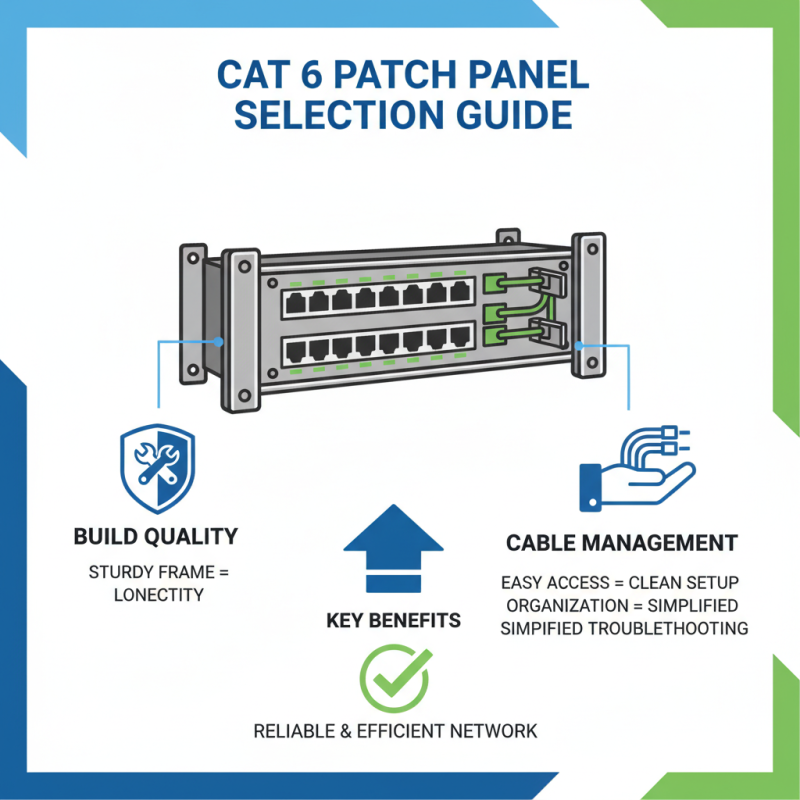
When selecting a Cat 6 patch panel, consider the build quality. A sturdy frame ensures longevity. Look for panels that provide easy access for cable management. This is crucial for a clean setup. Proper organization helps in troubleshooting later. A well-organized patch panel can simplify complex wiring.
Next, examine the number of ports. More ports mean more devices can connect. However, too many can lead to a chaotic network. Balance is key. Also, check for compatibility with other networking equipment. Mismatched components can cause inefficiencies.
Finally, consider the mounting style. Options include wall-mounted or rack-mounted panels. Wall-mounted panels can save space. Rack-mounted panels offer scalability. Reflect on your current needs. This can change rapidly with technology evolution. It's important to choose a panel that can adapt to these changes. Balancing current requirements with future expansion is essential.
Top Brands and Models of Cat 6 Patch Panels for 2026
When choosing a Cat 6 patch panel for efficient networking in 2026, several options stand out. Focus on versatility and durability. You’ll want panels that can handle high-speed data transfer while providing reliable connectivity. Options that accommodate both shielded and unshielded cables are especially valuable. Check for models designed for easy installation, as user-friendly features can save time.
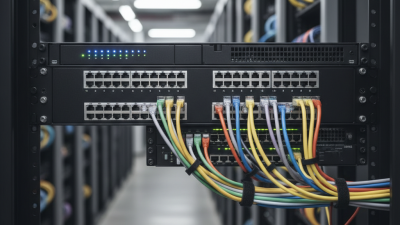
Consider panels with clear labeling and color-coded ports. This detail speeds up the setup and maintenance process. It minimizes confusion during troubleshooting. Good ventilation is also important. Some models can overheat if not monitored. Remember, modular designs offer flexibility for future upgrades.
Look into rack-mounted solutions. These can help manage space and provide a neat appearance. Pay attention to user reviews, highlighting the ease of use and performance under heavy loads. It’s essential to weigh these aspects against your specific needs. Choosing the right patch panel means balancing quality and cost. Sometimes, the most popular choice isn’t the best fit for everyone. Reflection on these factors will lead to better decision-making.
2026 Top Cat 6 Patch Panel Choices for Efficient Networking
| Model |
Ports |
Mounting Type |
Material |
Price ($) |
| Patch Panel A |
24 |
Rack Mount |
Steel |
89.99 |
| Patch Panel B |
48 |
Wall Mount |
Aluminum |
119.99 |
| Patch Panel C |
16 |
Rack Mount |
Plastic |
49.99 |
| Patch Panel D |
24 |
Rack Mount |
Steel |
99.99 |
| Patch Panel E |
48 |
Wall Mount |
Aluminum |
139.99 |
Installation and Maintenance Tips for Cat 6 Patch Panels
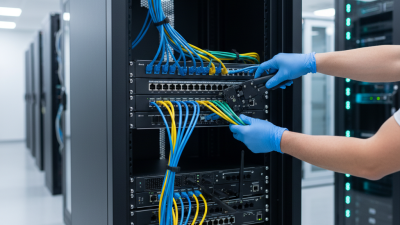
When installing a Cat 6 patch panel, organization is key. Start with a clean workspace. Gather essential tools like a punch-down tool, cable stripper, and cable tester. Label your cables clearly to avoid confusion. This step can save time later. Everyone makes mistakes, and mislabeling can lead to frustration.
During installation, take care to follow the wiring scheme closely. The T568A and T568B standards can differ; choose one and stick with it. Improper connections may lead to network issues. Don’t rush through this phase. Check each connection. It's better to take extra time upfront than to troubleshoot later.
After installation, maintenance is crucial for ongoing performance. Regularly inspect the patch panel for loose cables. Dust and debris can accumulate, affecting connectivity. Clean the panel occasionally to ensure optimal operation. Reflect on your setup periodically. Are there areas that could be improved? Networking can be complex, and even small adjustments can enhance efficiency significantly.
Comparative Analysis: Cat 6 Patch Panels vs. Other Patch Panel Types
When choosing a patch panel for networking, Cat 6 options stand out. They support high-speed connections. Their design allows for efficient organization of cables. This can be crucial for homes and businesses alike. Comparatively, other types of patch panels may not deliver the same performance.
Consider the differences. Fiber patch panels tend to be costly but excellent for long distances. However, they require specialized knowledge for installation. Coaxial patch panels are great for TV signals but less effective for data networks. Cat 6 patch panels provide a good balance of speed and cost, making them popular among users.
Tips: Always check the compatibility of your network equipment before purchasing. Proper installation is key to maximizing performance. Regularly inspect your patch panel to ensure optimal functioning. Small misconfigurations can lead to significant issues in your network's efficiency.
2026 Top Cat 6 Patch Panel Comparative Analysis