Top 10 Benefits of Using Cat 6 Cable for Your Network?
In today's fast-paced digital world, having a reliable network is crucial. Experts often recommend using a cat 6 cable for optimal performance. According to networking specialist Dr. Lisa Thornton, “The cat 6 cable is essential for any business looking to future-proof their network.” With its advanced technology, cat 6 cables provide increased speed and bandwidth.
Using a cat 6 cable can dramatically improve your network's efficiency. These cables support data transfer rates up to 10 Gbps over short distances. This capability makes them ideal for both homes and offices. However, not all installations are seamless. Poor cable management can undermine their strengths.
Network speed is vital but can be inconsistent without proper setup. The cat 6 cable’s benefits are clear, but one must also consider their installation environment. Over time, this cable can offer lasting performance. However, it’s critical to address potential interference and ensure correct termination. This balance is necessary to truly harness the advantages of cat 6 technology.
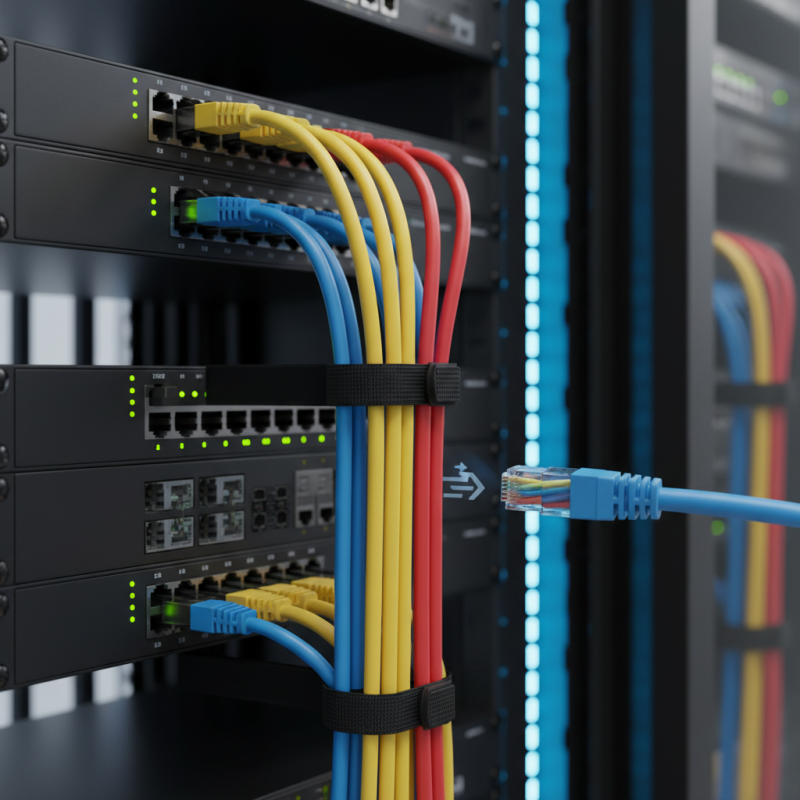
Benefits of Enhanced Speed and Bandwidth with Cat 6 Cable
When it comes to enhancing your network's speed and bandwidth,
Cat 6 cable stands out. This cable type significantly improves data transmission rates. It supports speeds up to 10 Gbps at distances up to 55 meters. For homes and offices, this can mean faster downloads and smoother streaming. Think about video calls or online gaming. A reliable connection is crucial.
Beyond speed, Cat 6 cables unleash greater bandwidth. This is essential as more devices connect to a single network. High-definition content and multiple users can overwhelm lower-grade cables. With Cat 6, multiple streams can occur without noticeable lag. This makes it a solid choice for businesses that rely on cloud services or digital collaboration tools.
However, not all installations are perfect. Proper installation is key to achieving optimal performance. Poorly terminated cables can still lead to issues. Additionally, environmental factors like electrical interference must be taken into account. While Cat 6 offers many benefits, a thoughtful approach to installation and setup is necessary for the best results.
Improved Signal Quality and Reduced Interference in Networking
Cat 6 cable significantly enhances networking performance through improved signal quality and reduced interference. One study by the Telecommunications Industry Association found that Cat 6 can support bandwidths up to 10 Gbps for distances up to 55 meters. This improvement allows for faster data transfer rates, which is essential for today’s high-demand environments, such as gaming and video conferencing.
Another report from the Institute of Electrical and Electronics Engineers indicated that Cat 6 cables have better shielding compared to older versions. This reduces crosstalk and eliminates interference from external sources, ensuring a cleaner signal. In practical terms, this means that businesses and homes can expect fewer dropped connections and a more reliable internet experience.
However, while these benefits are substantial, it's important to note that installation must be done correctly. Poor installation practices can lead to compromised performance. Data from several industry surveys suggest that up to 30% of network issues are due to improper cable management. Therefore, understanding both the benefits and potential pitfalls of using Cat 6 cable is crucial for maximizing network efficiency.
Top 10 Benefits of Using Cat 6 Cable for Your Network
Increased Distance Capabilities for Cat 6 Cable Installations
When considering network installations, Cat 6 cable stands out for its increased distance capabilities. This specification allows data transmission over longer distances without significant signal degradation. Unlike its predecessor, Cat 5e, Cat 6 supports frequencies of up to 250 MHz. This enhanced frequency enables faster data rates, making it ideal for high-bandwidth applications.
Extending the reach of your network is crucial in many settings. In offices and large homes, maintaining strong connectivity across various rooms can be challenging. Cat 6 can effectively transmit signals up to 100 meters. This range is beneficial for users needing reliable connections across larger spaces. The reduced need for additional networking equipment saves time and reduces costs in setup.
However, not all installations use Cat 6 effectively. In some cases, cable management is overlooked, leading to interference and reduced performance. Users should be mindful of maintaining clear pathways for their cables. While Cat 6 improves distance capabilities, proper installation practices are essential. This balance between technology and technique is vital for maximizing network efficiency.
Top 10 Benefits of Using Cat 6 Cable for Your Network - Increased Distance Capabilities for Cat 6 Cable Installations
| Benefit |
Description |
Distance Capability (Maximum) |
| Higher Bandwidth |
Supports up to 10 Gbps for short distances. |
55 meters |
| Improved Signal Quality |
Reduces crosstalk and attenuation. |
100 meters |
| Greater Distance Capabilities |
Can transmit data over longer distances compared to Cat 5e. |
100 meters |
| Future-Proofing |
Compatible with future network upgrades. |
Varies |
| Cost-Effective |
Offers high performance at a reasonable price. |
Varies |
| Reduced Interference |
Enhanced shielding decreases electromagnetic interference. |
Varies |
| Easy Installation |
Flexible and easy to work with for cabling. |
Varies |
| Support for Power over Ethernet (PoE) |
Can deliver power and data simultaneously. |
Varies |
| Increased Network Performance |
Provides consistent and reliable network speeds. |
Varies |
| Versatility |
Suitable for various networking applications. |
Varies |
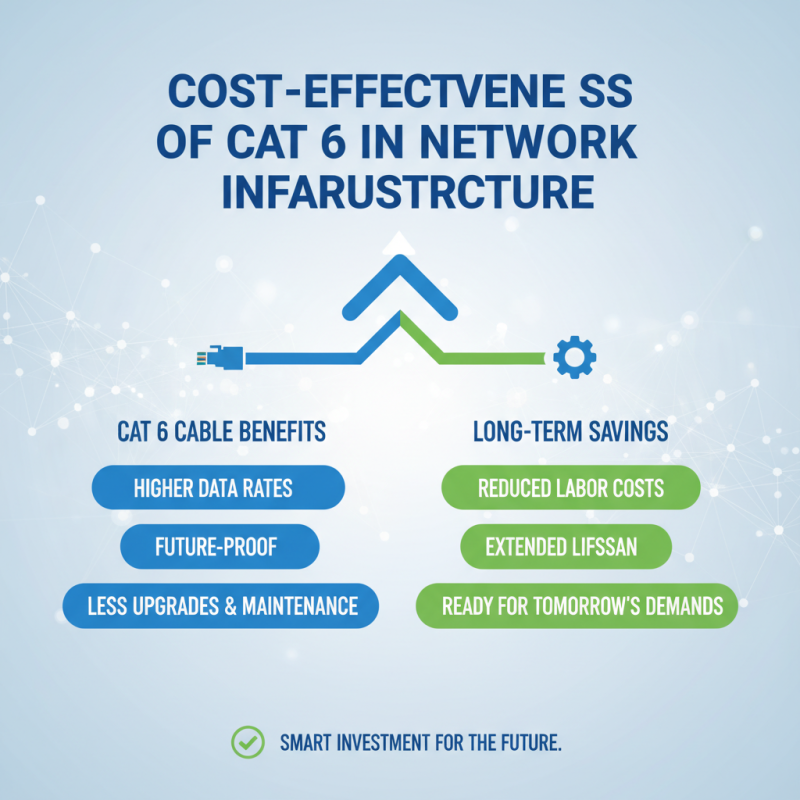
Cost-Effectiveness of Cat 6 in Long-Term Network Infrastructure
The cost-effectiveness of using Cat 6 cable in your network infrastructure is becoming increasingly apparent. Cat 6 cable supports higher data rates, making it a future-proof investment. Over time, this leads to fewer upgrades and maintenance costs compared to lower-grade cables. As technology evolves, upgrading to a more capable network is essential. Choosing Cat 6 today means you’re prepared for tomorrow’s demands.
When planning your network, consider these tips. Ensure your cables are installed properly to avoid performance issues. Incorrect installations can lead to more frequent repairs and disruptions. Invest in quality connectors; poor connectors can negate the benefits of Cat 6 cable, resulting in slower speeds.
Think about your long-term needs. Will your network handle increased traffic in the future? If you're uncertain, Cat 6 is a safer bet than older standards. It supports gigabit speeds, which makes it suitable for various applications. Anticipate future expansions as you plan for your infrastructure. A thoughtful approach to cable choice can save money and headaches down the line.
Future-Proofing Your Network with Cat 6 Technology
When considering network upgrades, future-proofing is essential.
Cat 6 cable technology offers significant advantages for modern networks. It supports higher data transfer rates up to 10 Gbps, making it ideal for bandwidth-intensive applications. Users can experience faster downloads and smoother streaming.
Potential users should consider their current and future needs. With the rise of smart home devices and IoT technology, the demand for reliable connectivity will grow. Cat 6 cables can handle these increasing requirements due to their enhanced performance. However, installation might seem challenging for some. Ensuring proper termination and avoiding interference can be tricky but crucial for optimal performance.
It's vital to think long-term when investing in network infrastructure. Cat 6 cables are backward compatible and will work with older devices. This compatibility ensures a smoother transition as technology evolves. While the initial cost may be higher than older cables, the benefits can outweigh the expenses. Not preparing for upcoming advancements may lead to costly upgrades down the line.