Top Benefits of Using Network Cabinets for Your IT Infrastructure
In today's rapidly evolving technological landscape, the organization and management of IT infrastructure play a crucial role in ensuring optimal performance and security. One of the key components that significantly enhances the reliability and efficiency of IT operations is the use of network cabinets. Network cabinets provide a dedicated space for housing essential networking equipment such as switches, routers, and servers, thereby offering several substantial benefits for businesses of all sizes.
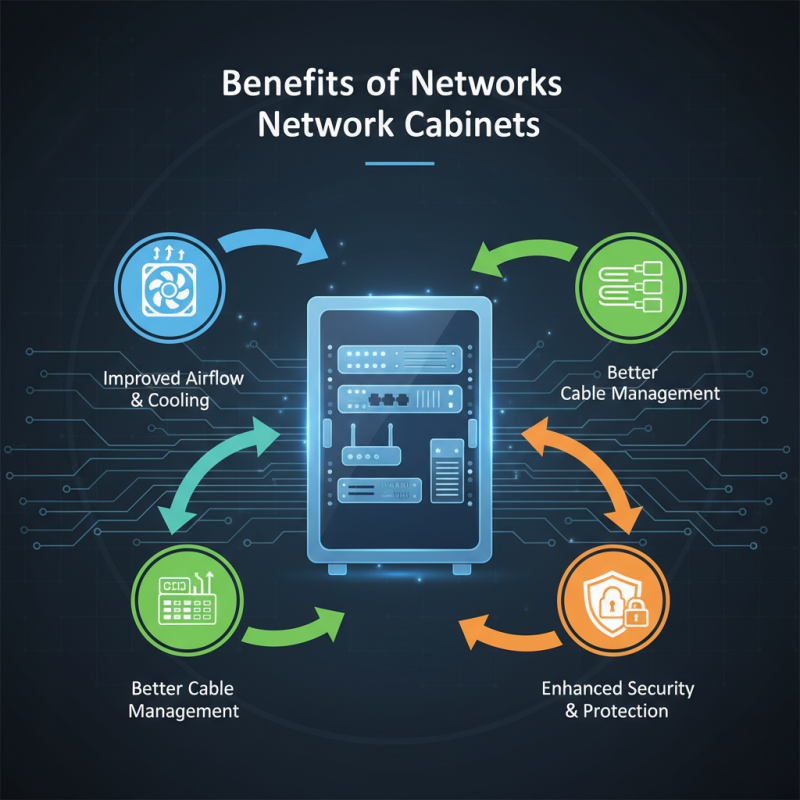
Implementing network cabinets not only helps in streamlining your IT infrastructure but also improves airflow and cooling efficiency, which is vital for maintaining equipment longevity. Additionally, these cabinets facilitate better cable management, reducing the clutter of cables and making it easier to troubleshoot and maintain the systems. Furthermore, by securing sensitive equipment within network cabinets, organizations can protect their valuable resources from potential damage and unauthorized access, thus enhancing the overall security posture of their IT environments.
In summary, the adoption of network cabinets is a strategic decision for any organization aiming to bolster their IT infrastructure. By providing a safe, organized, and efficient space for critical components, network cabinets play an integral role in supporting the demands of modern technology and empowering businesses to thrive in a competitive landscape.
Key Features of Network Cabinets for Enhanced IT Storage Solutions
When it comes to optimizing IT infrastructure, the choice of network cabinets plays a pivotal role. One of the key features that enhances IT storage solutions is the effective organization of equipment.
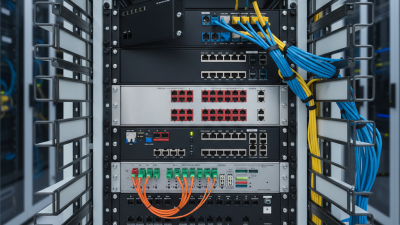
Network cabinets provide a structured environment to neatly integrate routers, switches, and servers, which not only maximizes space but also simplifies access for maintenance and upgrades. The well-designed interiors often include adjustable shelves and cable management systems, significantly reducing clutter and ensuring that cabling does not obstruct airflow.
Another important aspect of network cabinets is their security and protection. Many cabinets come with lockable doors, ensuring that sensitive equipment is safeguarded against unauthorized access.
Additionally, robust materials and construction methods provide physical protection from potential damage. Thermal management is also a vital feature; many network cabinets are equipped with ventilation systems or space for additional cooling units, ensuring that the equipment remains at optimal operating temperatures, thereby prolonging its lifespan and enhancing operational efficiency.
These features collectively make network cabinets an indispensable component of modern IT infrastructure.
Improved Cooling and Ventilation Mechanisms in Network Cabinets
Effective cooling and ventilation mechanisms in network cabinets are critical for maintaining optimal performance and reliability of IT infrastructure. According to a report by the Uptime Institute, approximately 30% of data center outages are caused by cooling failures. This highlights the importance of incorporating advanced cooling systems within network cabinets to prevent overheating and ensure that servers operate within their ideal temperature ranges. Network cabinets that feature integrated airflow management solutions can significantly reduce hot spots and promote better thermal dynamics, leading to enhanced system uptime and efficiency.
Moreover, recent studies indicate that proper ventilation can improve energy efficiency, decreasing cooling costs by up to 40%. By utilizing techniques such as vertical exhaust ducts and adjustable louvered panels, network cabinets can create a more balanced airflow environment. The combination of passive and active cooling measures—that is, using both natural convection and mechanical ventilation—can optimize the thermal performance of the cabinets. In data centers where cooling efficiency is paramount, these enhancements not only prolong the lifespan of equipment but also contribute to a greener, more sustainable operation by reducing overall energy consumption.
Top Benefits of Using Network Cabinets for Your IT Infrastructure - Improved Cooling and Ventilation Mechanisms in Network Cabinets
| Benefit |
Description |
Impact on IT Infrastructure |
| Enhanced Airflow |
Network cabinets are designed to maximize airflow, ensuring that heat generated by equipment is effectively dissipated. |
Reduces risk of overheating, improving the lifespan of hardware. |
| Optimized Cooling Solutions |
Incorporates cooling fans and heat reduction technologies that efficiently manage temperature. |
Maintains optimal working conditions for IT equipment. |
| Space Saving |
Network cabinets utilize vertical space effectively, making it easier to manage resources. |
Increases efficiency of the data center layout. |
| Cable Management |
Provides organized pathways for cables, reducing clutter and enhancing airflow. |
Facilitates easier maintenance and troubleshooting. |
| Security Features |
Many cabinets come equipped with locks and secure enclosures to protect sensitive equipment. |
Enhances security, reducing unauthorized access to sensitive IT infrastructure. |
Enhanced Security Measures for IT Equipment in Network Cabinets
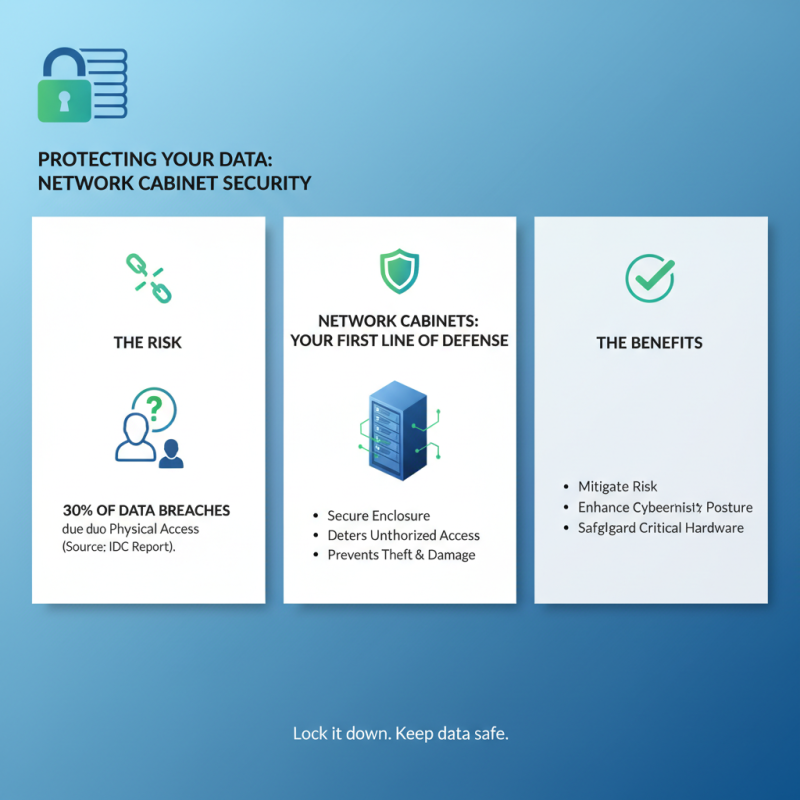
The importance of enhanced security measures for IT equipment found in network cabinets cannot be overstated. According to a recent report by the International Data Corporation (IDC), approximately 30% of data breaches are attributed to physical access to IT assets. Network cabinets serve as a first line of defense, providing a secure enclosure that deters unauthorized access, theft, and physical damage. By effectively locking away critical hardware and data resources, organizations can significantly mitigate risk and enhance their overall cybersecurity posture.
One of the primary benefits of network cabinets is their ability to integrate additional security features such as biometric scanners, access control systems, and environmental monitoring tools. A study from the Ponemon Institute highlighted that companies employing advanced physical security measures save an average of 25% on incident response costs. These features not only protect IT infrastructure but also ensure compliance with various regulatory standards, such as GDPR and HIPAA, that mandate strict data protection protocols.
Tip: Regularly audit the security measures of your network cabinets and train staff on best practices for physical security. Consider implementing layered security strategies that combine both physical and cybersecurity measures for comprehensive protection. Additionally, keeping a log of access events can help in forensic investigations if breaches occur, providing insight into vulnerabilities and potential security gaps.
Maximizing Organization and Accessibility with Network Cabinets
The optimal organization and accessibility of an IT infrastructure are paramount to enhancing overall productivity and operational efficiency. Network cabinets serve as a pivotal component in achieving this goal. According to a recent report by the International Data Corporation (IDC), over 70% of IT professionals indicate that structured cabling and organized server storage significantly reduce downtime and contribute to seamless operations. By utilizing network cabinets, businesses can create a clean, efficient environment for their hardware, ultimately facilitating easier access for maintenance and upgrades.
Tips for selecting the right network cabinet include assessing your current and future needs. Consider the growth of your IT infrastructure; a cabinet with additional space can prevent the need for frequent replacements. Additionally, ensure that the cabinet has adequate ventilation. A study published by ResearchGate highlights that proper airflow can improve equipment lifespan by reducing overheating, which is a common risk in poorly managed setups.
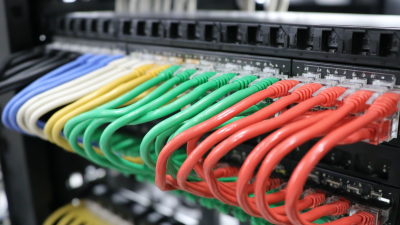
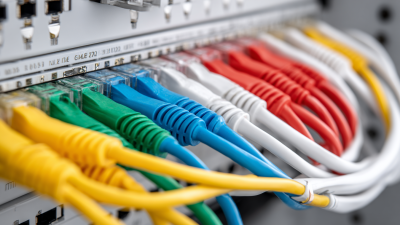
Accessibility is further enhanced by the inclusion of cable management solutions within network cabinets. According to a report from MarketsandMarkets, organized cabling not only streamlines operations but also enhances troubleshooting processes, reducing resolution time by up to 30%. Implementing effective cable management practices enables quicker identification and resolution of network issues, ensuring that your IT team can focus on more critical tasks rather than sifting through tangled wires.
Top Benefits of Using Network Cabinets for Your IT Infrastructure
Cost-Effectiveness of Using Network Cabinets in IT Infrastructure
The cost-effectiveness of using network cabinets in IT infrastructure is a pivotal consideration for organizations aiming to optimize their technology investments. Recent studies indicate that implementing network cabinets can reduce operational expenses by up to 30% over a typical three-year period. This reduction stems from several factors, including enhanced organization and efficiency in cooling systems, which prevent overheating and minimize energy consumption. According to a report by the Uptime Institute, proper thermal management through network cabinets can save energy costs by nearly 25%, significantly decreasing overall data center operational expenditures.
Additionally, network cabinets facilitate improved space utilization, allowing organizations to maximize their physical footprint. A survey conducted by the Data Center Dynamics indicated that 60% of IT managers believe investing in proper network cabinets has a substantial impact on their ability to optimize space, with many reporting that they could achieve up to 40% more effective use of floor space. This not only results in savings on real estate costs but also enhances scalability, enabling organizations to adapt quickly to changing business needs without the burden of costly expansions. Overall, the strategic implementation of network cabinets presents a dual advantage—substantial cost savings paired with improved operational efficiency.