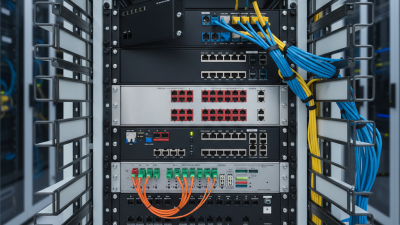
In the realm of networking, choosing the right components is crucial. A high-quality cat 6a patch panel can significantly enhance network performance. Industry expert John Smith emphasizes, "The right patch panel can make or break your network efficiency." This statement encapsulates the importance of selecting a good cat 6a patch panel for optimal results.
Many often overlook the significance of a patch panel in their network setup. Instead, they may focus on routers or cables, missing out on the potential performance boost a quality patch panel offers. Without the right patch panel, inefficiencies can arise. These inefficiencies typically lead to increased latency and bandwidth issues, which impact overall network performance.
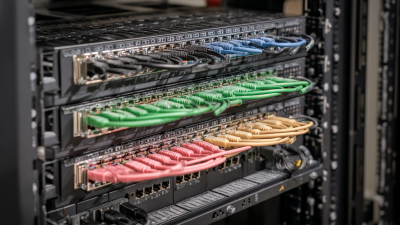
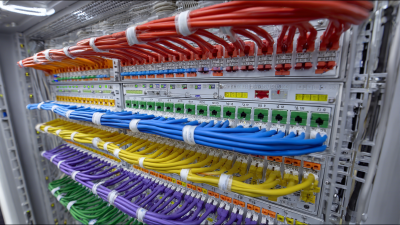
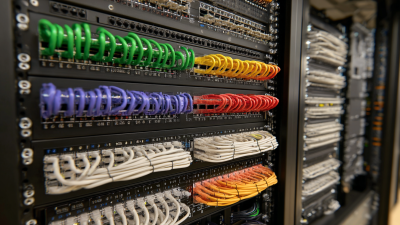
The cat 6a patch panel serves as a vital link between network devices, organizing connections and reducing clutter. However, not all patch panels are created equal. Users must consider factors like build quality and performance ratings. Choosing a subpar option can lead to frustration over time. Reflecting on these choices can help users make informed decisions that ensure their network runs smoothly.
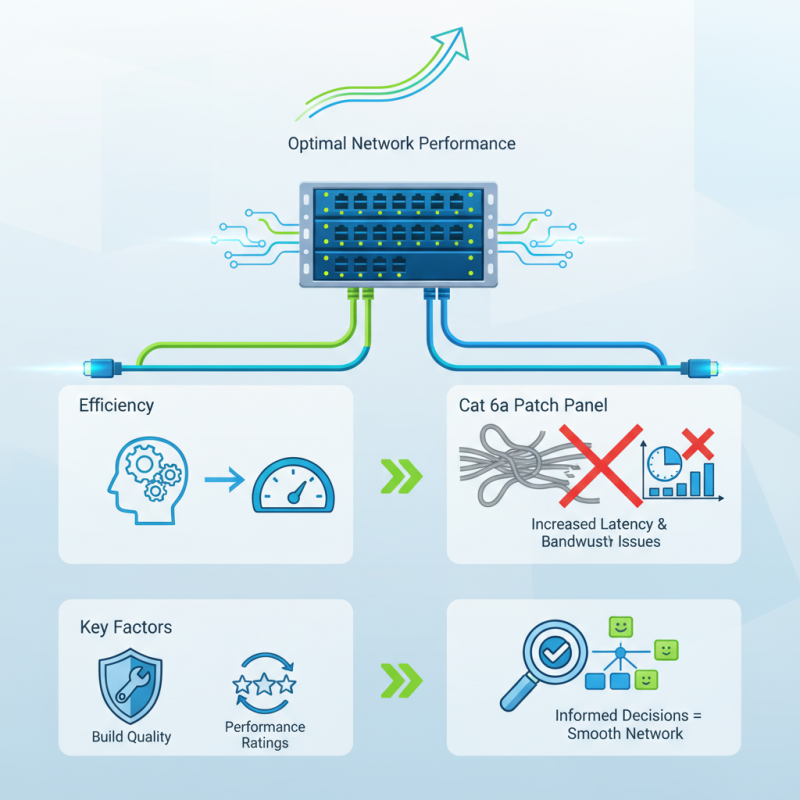
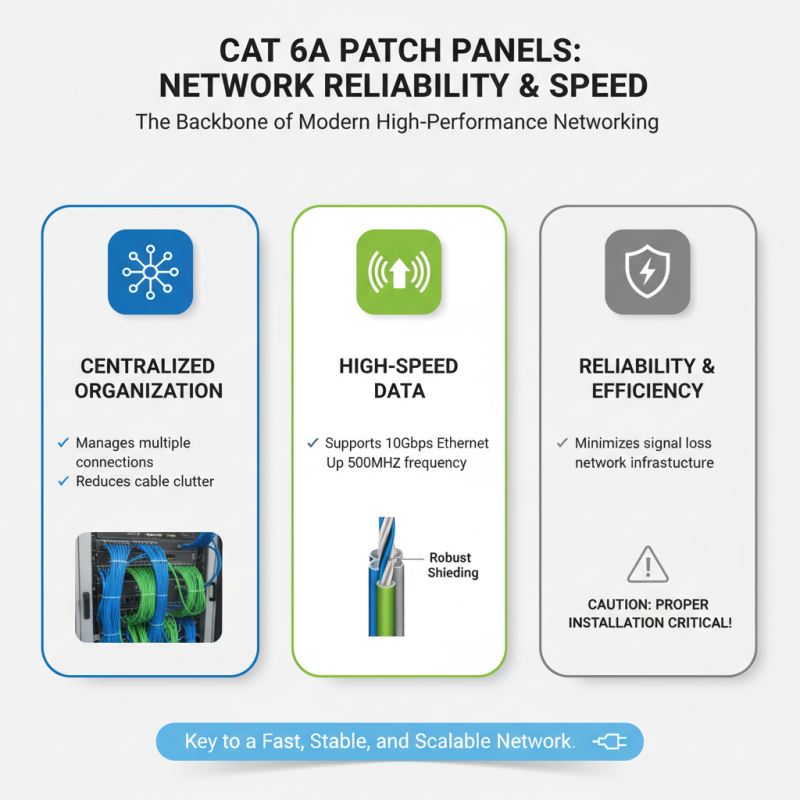
Cat 6a patch panels play a crucial role in modern networking. They provide a centralized point for organizing various network connections, ensuring efficiency and reliability. With robust shielding, Cat 6a cables can support higher frequencies, enabling faster data transmission over longer distances. It's important to consider how these panels are installed. Poor installation can lead to signal loss.
In a networking setup, every connection counts. A well-designed panel can help in minimizing cable clutter. This offers a more professional appearance and enhances airflow. Unfortunately, many users overlook the importance of proper cabling techniques. They might not realize that even minor mistakes can affect performance significantly.
Choosing the right patch panel requires understanding your specific needs. Look for features like easy access and clear labeling for each port. Assess how many devices you plan to connect. The best solution isn't always the most expensive one. Sometimes, a simpler design works better for smaller networks. Balancing cost and functionality is essential.
When choosing a Cat 6a patch panel, key features play a crucial role. Look for a panel that supports 10 Gigabit Ethernet. This is essential for optimal network performance. Check for compatibility with standard 19-inch racks and enclosures. A good patch panel should also have solid build quality. Metal frames offer durability compared to plastic.
Consider the cable management options available. A well-designed patch panel should facilitate easy cable organization. Labeled ports help prevent confusion during installation. However, be wary of complicated systems. They can lead to mistakes and frustration. Ease of access for maintenance is important too.
Lastly, pay attention to the UPC (Universal Patch Cord) specifications. A patch panel with flexible or keystone options may suit various needs. The right selection can enhance network efficiency. Yet, it’s easy to overlook these details. Careful evaluation can prevent future issues. A high-quality patch panel should not just meet standards; it should exceed them in performance.
| Feature | Description | Importance |
|---|---|---|
| Port Density | The number of ports available on the panel, typically ranging from 12 to 48 ports. | Allows for multiple connections; essential for larger setups. |
| Cable Management | Features for organizing network cables, including tie wraps and mounting brackets. | Improves airflow and reduces clutter, enhancing system performance. |
| Material Quality | Construction material of the panel, typically metal or high-quality plastic. | Durability and longevity of the panel; affects overall performance. |
| Compatibility | Ability to support various Cat 6a connectors and cables. | Ensures a versatile installation process and future-proofing. |
| Installation Type | Mounting options such as wall-mounted or rack-mounted. | Provides flexibility in installation according to space availability. |
| Labeling Capability | Options for labeling ports for easy identification. | Facilitates troubleshooting and management of the network. |
| Price Range | Cost variation based on features and brand reputation, typically between $50 and $200. | Justifies investment based on quality and features. |
When considering optimal network performance, the choice of a Cat 6a patch panel is crucial. A well-designed patch panel ensures minimal signal loss. According to industry reports, using high-quality connectors can reduce latency by up to 40%. This significant reduction can greatly enhance overall network efficiency. Many users have found that investing in better panels leads to smoother data transfer and less downtime.
Several top brands and models in the market focus on performance. These panels typically offer features like tool-less termination and rear cable management. Such features simplify installation and contribute to a cleaner setup. However, not all available options are equal. Some users report issues with durability and heat dissipation over time. Regular monitoring and assessment of installed equipment may help identify such problems early.
Additionally, the quality of cable used with patch panels cannot be overlooked. Standard Cat 6a cables paired with top patch panels can yield the best outcomes. Yet, mismatched components could negate benefits. This reality prompts users to weigh their choices carefully. Consideration of factors like compatibility, heat management, and build quality remains essential for achieving the highest performance.
When setting up a Cat 6a patch panel, proper installation is crucial for achieving optimal network efficiency. According to a recent industry report, 10GBASE-T can support Ethernet connections at distances up to 100 meters. This makes Cat 6a an excellent choice for high-bandwidth applications. However, poorly organized cables can drastically reduce this performance. Keeping cables tidy can prevent signal interference and maintain data integrity.
Pay attention to cable management. Using cable ties and labeling can simplify troubleshooting later. A disorganized setup often leads to increased latency and lower speeds. Proper grounding is another essential factor. Poor grounding may introduce noise, leading to packet loss. Reports indicate that improperly grounded systems can suffer a drop in performance by up to 20%.
Lastly, regular testing of your network is necessary. Tools like a cable tester can verify if your installation meets industry standards. It’s not uncommon to overlook minor details that could amplify issues. Small changes, such as avoiding sharp bends in cables, can yield significant improvements. Take time to reflect on your installation process. Every step matters; neglecting one may cost you in the long run.
This bar chart illustrates key performance metrics for optimal network performance when using Cat 6a patch panels. Lower latency and packet loss with higher throughput are vital for an efficient network environment.
When dealing with Cat 6a patch panels, various issues may arise. One common problem is connectivity loss. This can happen due to unsecured connections. Make sure all cables are properly seated. A loose cable can easily disrupt your network.
Another issue comes from interference. Cat 6a cables are designed to reduce such problems. However, improper installation may lead to crosstalk. Ensure the cables are not too close to power sources. This positioning can help maintain optimal performance.
Lastly, always check for physical damage. Wear and tear can cause significant disruptions. Look for frayed ends or bent connectors. Regular maintenance is crucial in preventing issues before they escalate. If problems persist, consider reevaluating your setup or reinstalling components.