Best Cat 6a Patch Panel for High Performance Networking?
In the realm of high-performance networking, selecting the right equipment is crucial. The cat 6a patch panel stands out as a key component for enhancing data transmission capabilities. According to a report by the Telecommunications Industry Association, the demand for high-speed, dependable networking solutions has surged by over 35% in the past few years. This surge makes the choice of a quality patch panel even more significant.
As network infrastructure expands, so do the complexities involved. Many users find themselves at a crossroads when selecting a cat 6a patch panel. Some may overlook the importance of proper certification and performance metrics. A well-chosen patch panel can reduce latency and improve overall network efficiency. Conversely, a substandard option can lead to frustrating data bottlenecks.
Investing in a reliable patch panel is not just beneficial; it is essential for future-proofing your network. Experts recommend panels that offer robust shielding and can handle data rates up to 10 Gbps. However, many products with promising specs may not deliver in real-world applications. Choosing wisely requires research and a clear understanding of your specific networking needs. The right cat 6a patch panel can make all the difference in achieving a seamless network experience.
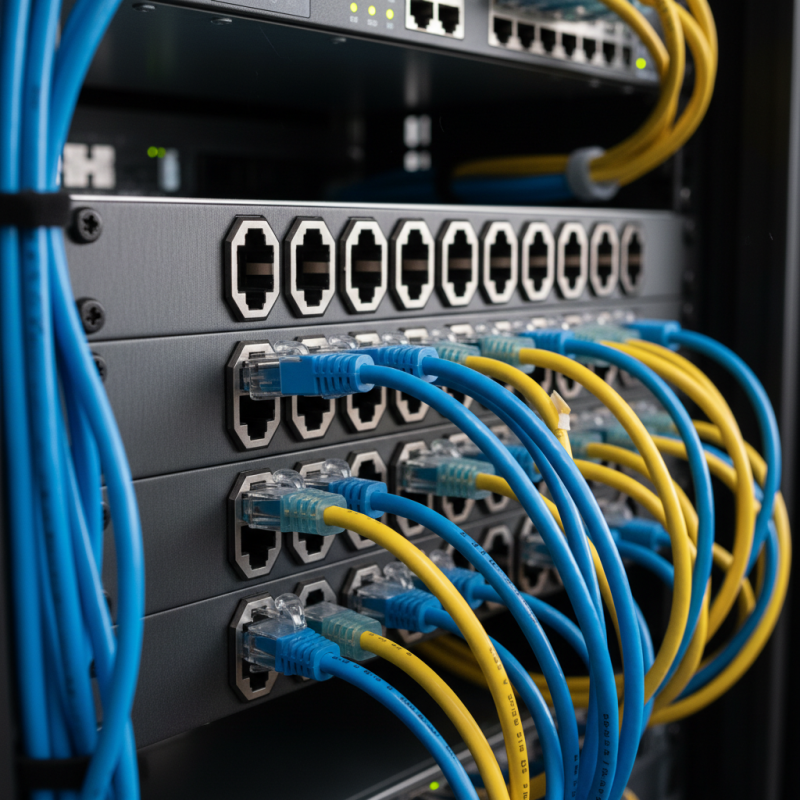
Top Features to Look for in a Cat 6a Patch Panel
When selecting a Cat 6a patch panel, understanding key features is essential for achieving high-performance networking. A well-designed patch panel can effectively manage your network, ensuring speed and reliability. Look for panels that support 10GBASE-T Ethernet standards. This ensures compatibility with high-speed applications, making your network more future-proof.
Quality shielding is another important aspect. Cat 6a cables need excellent shielding to minimize interference. Data reports indicate that proper shielding can reduce crosstalk by up to 90%. Choose a patch panel with robust shielding materials like foil or braid. This enhances performance in environments with heavy electronic interference.
Consider the number of ports carefully. A standard Cat 6a patch panel often has 24 to 48 ports. This range suits various setups, from home offices to large enterprises. However, flexibility is key. Some setups may outgrow their initial port counts. Inadequate ports can lead to network bottlenecks. Pay attention to future expansion needs when selecting your patch panel. It’s important not to overlook these aspects for a smooth networking experience.
Best Cat 6a Patch Panel Features Comparison
Comparing Different Types of Cat 6a Patch Panels
When selecting a Cat 6a patch panel, it's crucial to understand the types available.
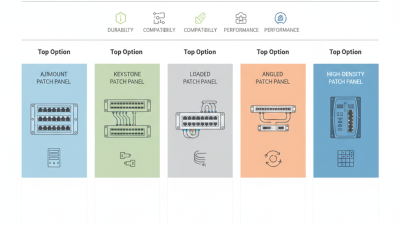
Standard, shielded, and keystone panels cater to different networking needs.
A standard patch panel provides basic connectivity but may lack protection against interference.
In contrast, shielded options reduce crosstalk. They are ideal for environments with heavy electronic interference.
Choosing the right type can truly impact your network performance.
Keystone patch panels offer flexibility, allowing customization for various network configurations. They are easy to install and can accommodate various connectors.
However, they require careful planning for optimal performance. Users often overlook cable management, which is vital for maintenance and efficiency.
Poor organization can lead to signal degradation over time.
It’s important to assess your specific network requirements. Not all patch panels are created equal.
Some may be tempting due to pricing, but quality matters. Investing in a reliable panel can save you future headaches.
Consider factors like durability and ease of use. Balancing these considerations ensures a dependable setup, yet many still struggle with choosing correctly.
Engaging with professionals can offer valuable insights, but self-research is equally essential.
Installation Tips for High-Performance Networking with Cat 6a
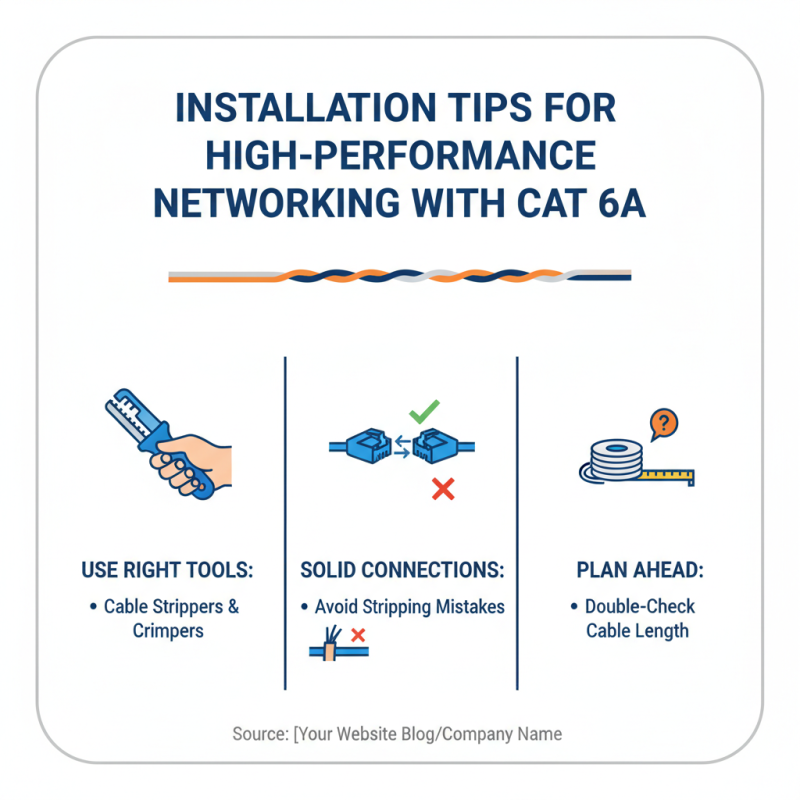
When setting up a high-performance networking system with Cat 6a cables, proper installation is crucial. Ensure you use the right tools, such as cable strippers and crimpers. These tools help in achieving solid connections. Mistakes in stripping can lead to poor connectivity. Moreover, always double-check your cable length before cutting to avoid waste.
Consider the layout of your patch panel. Plan your cable management well. Keeping cables organized reduces interference and makes future troubleshooting easier. Using cable ties can help. However, avoid over-tightening them, as this can damage the cables. Furthermore, remember to label your cables clearly. This small detail saves time during maintenance.
Testing your connections after installation is equally important. Use a network tester to confirm integrity. Many tend to skip this, assuming all is well. This oversight may lead to frustrating network issues later on. Regularly recheck connections and ensure they remain secure over time. Mistakes happen, but learning from them improves the overall network performance.
Maintaining Your Cat 6a Patch Panel for Optimal Performance
A well-maintained Cat 6a patch panel is essential for optimal network performance. Keeping your patch panel in good condition helps reduce signal loss and ensures that data transfers are as fast as possible. Regular inspections are key. Look for loose connections, frayed cables, and signs of wear. Simply addressing these issues can prevent bigger problems later.
Tips: Always use high-quality cables with your patch panel. Poor-quality cables can degrade performance. Make sure the connectors are firmly seated. Loose connections may lead to intermittent signals.
Be mindful of the environment as well. Dust and humidity can negatively impact your patch panel. A clean, dry area is optimal. Occasionally, disconnect and inspect ports for dust accumulation. Taking these small steps can prolong the life of your equipment. It's worth it to reflect on how these details contribute to overall network reliability.
Best Cat 6a Patch Panel for High Performance Networking
| Model |
Port Count |
Material |
Mounting Type |
Price Range ($) |
| Patch Panel A |
24 |
Steel |
Rack-mounted |
50 - 70 |
| Patch Panel B |
48 |
Aluminum |
Wall-mounted |
70 - 90 |
| Patch Panel C |
12 |
Plastic |
Rack-mounted |
30 - 50 |
| Patch Panel D |
24 |
Steel |
Rack-mounted |
60 - 80 |
| Patch Panel E |
48 |
Aluminum |
Rack-mounted |
80 - 100 |
Common Issues and Troubleshooting for Cat 6a Patch Panels
When working with Cat 6a patch panels, users often face common challenges. One frequent issue is poor connectivity. This can stem from several factors, including improper termination of cables. Ensure that each cable is stripped and terminated correctly to maintain signal integrity. Mismanagement of cables in the patch panel can also cause interference. Keep cables organized and neat to optimize performance.
Another notable problem is the overheating of components. Overcrowded patch panels can restrict airflow and lead to increased temperatures. Periodically check the temperature of your equipment. If it feels too warm, consider redistributing your cables or upgrading to better airflow solutions. Furthermore, regular inspection for dust and debris is crucial. Accumulated dust can block airflow and cause overheating.
Lastly, users can experience network downtimes. Troubleshoot by checking cable connections and network switches. Look for any signs of damage on the cables. Testing equipment should be employed to identify faulty ports or cables. Addressing these issues promptly can save time and reduce frustration while maintaining optimal network performance.