
Choosing the best Chamfering Cutter manufacturer in China requires more than comparing prices or catalog photographs. A reliable decision must examine edge geometry, carbide grade, coating performance, runout control, and inspection records. MarketsandMarkets reported that the global cutting tools market was valued at approximately USD 24.3 billion in 2024. It also projected continued growth through 2029, driven by automation, aerospace production, automotive machining, and precision manufacturing.
China remains a major manufacturing base. However, production scale alone does not prove cutting performance. The China Machine Tool & Tool Builders’ Association has repeatedly highlighted modernization, digital production, and quality improvement as industry priorities. These trends matter when evaluating a Chamfering Cutter supplier. A serious factory should show measurable tolerances, batch consistency, material certificates, and practical application data. Look for test cuts on steel, aluminum, stainless steel, and hardened components. A clean 45-degree edge is useful evidence. So is stable tool life.
Professor Serope Kalpakjian, a respected manufacturing expert, wrote, “Manufacturing is the transformation of materials into useful products.” His statement reflects a practical truth. A cutter is valuable only when it improves the finished part. Not just the brochure.
This guide compares leading Chinese manufacturers through engineering capability, coating technology, customization, quality control, delivery performance, and after-sales support. Some conclusions may remain imperfect because published factory data is not always comparable. That limitation deserves attention. The best supplier may not be the cheapest one. It may be the manufacturer that keeps every chamfer consistent after thousands of parts.
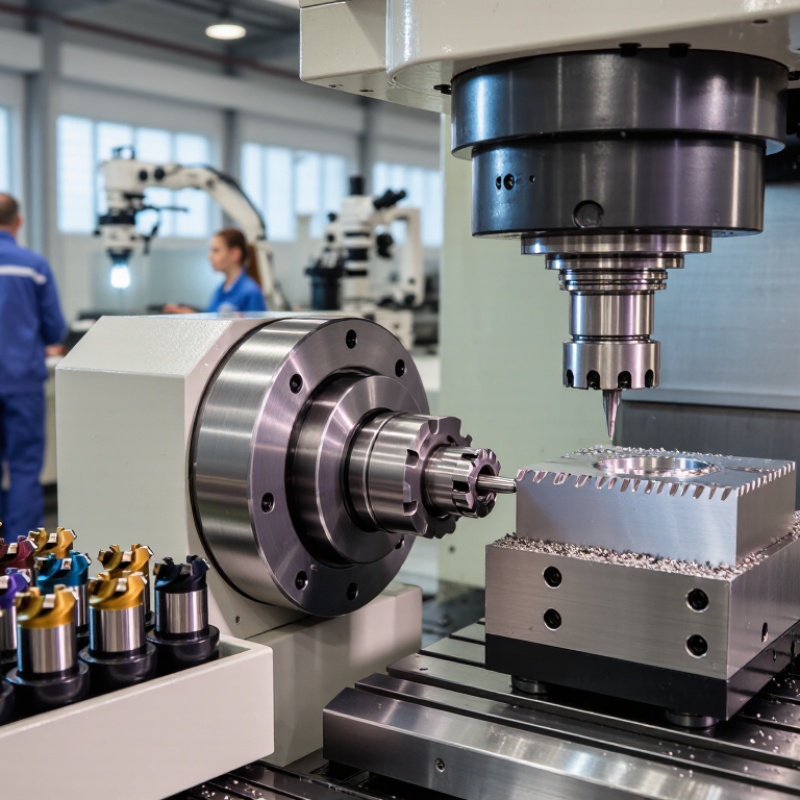
A chamfering cutter is a rotary cutting tool that removes a sharp edge from a workpiece. It creates a sloped surface, often at 45 degrees, around holes or outer edges. This small feature improves assembly, reduces burrs, and makes components safer to handle. The cutter may use high-speed steel, carbide, or replaceable inserts, depending on the material and production volume.
It is used on steel, aluminum, copper, plastics, and composite parts. Machinists commonly apply it with milling machines, CNC equipment, drill presses, and hand tools. For example, a cutter can prepare a bolt hole before tapping, allowing the fastener to enter smoothly. It can also improve the appearance of machined panels and prevent cable damage near sharp openings. Cutting speed, feed rate, tool angle, and workpiece hardness must match carefully. A poor setting may leave chatter marks or overheat the edge.
Selecting a reliable chamfering cutter manufacturer in China requires more than comparing prices. Check dimensional inspection records, coating details, material certificates, and sample performance. Experienced manufacturers should explain tolerance control and recommend suitable geometries for different metals. Ask for test results from actual machining conditions. Small details matter. Packaging, edge protection, and batch consistency can affect real production. I have found that catalog claims are useful, but practical trials reveal more. Even a well-made cutter may perform poorly when the machine lacks rigidity or the operator uses an unsuitable feed rate.
A chamfering cutter is a cutting tool used to create an angled edge, remove burrs, improve assembly, and prepare parts for fastening or welding. The chart shows common cutter-angle configurations and their typical applications in machining.
Angle selection depends on the drawing, material, tool geometry, and machining process. The values shown represent commonly encountered engineering configurations rather than market-share or manufacturer data.
Choosing the best chamfering cutter manufacturer in China requires more than comparing catalog prices. In practical sourcing, I examine cutting tests, inspection records, and technical communication. A reliable manufacturer should explain cutter geometry, carbide grade, coating options, and suitable materials clearly. Vague answers often signal weak process control.
Ask for sample cutters before placing a large order. Test them on your actual steel, aluminum, or stainless-steel parts. Check edge sharpness, burr formation, surface finish, and tool life.
Measure runout with a dial indicator. Small runout differences can create visible chamfer variation. Review production equipment, heat-treatment control, and final inspection methods.
Certifications help, but they cannot replace physical evidence. No factory is perfect. Even good suppliers may have occasional delivery or tolerance problems, so transparent corrective action matters.
Tips:
Request a dimensional report with each sample batch. Confirm tolerances in writing, including shank diameter and included angle. Ask how rejected tools are separated and recorded. A serious manufacturer should provide traceable inspection data, realistic lead times, and stable packaging.
Video audits can reveal useful details, such as clean grinding areas and organized tool storage. However, a polished factory tour proves little without independent test results. Compare at least three manufacturers using the same drawings and testing conditions. Personal judgment still matters.
A reliable chamfering cutter manufacturer needs more than modern equipment. Material control matters first. Carbide grade, cobalt content, and grain size affect edge strength and wear resistance. Precision CNC grinding then shapes the cutting angle, relief, and runout. Even a small error can leave uneven chamfers on aluminum or hardened steel.
Inspection capability separates stable suppliers from ordinary workshops. Quality teams should measure diameter, angle, surface finish, and concentricity with calibrated equipment. ISO 21920 highlights the importance of consistent surface-texture measurement. The 2024 Deloitte Smart Manufacturing survey reported that 86% of manufacturers view smart manufacturing as important for future competitiveness. This supports using sensors, digital records, and process monitoring during cutter production. Still, software cannot repair poor grinding. That point is sometimes overlooked.
Tips: Ask for inspection reports, coating data, and application test results. Check batch consistency, not one perfect sample. Request a sample trial on your actual material. A useful supplier should explain failures honestly. No factory is perfect. In my experience, manufacturers that review tool wear patterns usually improve faster than those relying only on polished catalogs. Also examine packaging, traceability, and response time. These details reveal whether quality control continues after production.
Choosing the best chamfering cutter manufacturer in China requires more than comparing catalog prices. Leading suppliers differ in engineering depth, production control, and after-sales support. A practical evaluation should begin with the cutter’s material, edge geometry, coating option, and intended workpiece.
In machining trials, small details become visible quickly. A stable cutter leaves a clean 45-degree edge without excessive burrs. Carbide quality affects tool life, while accurate grinding supports consistent dimensions across batches. Ask manufacturers for tolerance data, inspection records, and sample cutters. Their answers often reveal more than polished product photographs.
Production capability also separates stronger manufacturers from ordinary suppliers. Look for in-house grinding, coating coordination, and documented inspection procedures. A supplier that checks diameter, runout, and edge condition before shipment offers greater reliability. Communication matters too. Clear drawings, realistic lead times, and responsive technical advice reduce costly misunderstandings.
Price is not the complete measure. A cheaper tool may create rough edges or require frequent replacement. Yet a higher quotation does not automatically prove better performance. This is where comparison becomes difficult. No scorecard is perfect. Test samples on the actual machine, using the real material and cutting parameters. Review tool life, surface finish, delivery accuracy, and response speed together. One overlooked weakness can change the purchasing decision.
Who Is the Best Chamfering Cutter Manufacturer in China?
How to Select the Best Manufacturer for Your Needs
Choosing the best chamfering cutter manufacturer requires more than comparing prices. Examine its experience with your materials, including stainless steel, aluminum, hardened steel, or plastics. A capable manufacturer should explain suitable cutter geometry, edge angles, coatings, and tolerance ranges. Ask for technical drawings and inspection records. Clear answers matter.
Tips: Request sample cutters before placing a large order. Test them on your actual machine, feed rate, and workpiece. Check the chamfer width, surface finish, burr control, and tool life. Small differences become expensive during continuous production.
Reliable manufacturers usually provide traceable material certificates, dimensional reports, and consistent packaging. Confirm their production capacity, lead times, replacement policy, and communication process. Factory audits can reveal practical details, such as calibration habits, cleanliness, and storage conditions. A polished website proves little. Real evidence is better.
Do not select a supplier only because one sample performs well. Test several pieces from the same batch when possible. Manufacturing variation can appear later. This point is often overlooked, even by experienced buyers. I would also discuss trial adjustments openly, because the first design may not fit every machine perfectly. A dependable manufacturer accepts measured feedback and improves the tool without hiding limitations.
| Evaluation Dimension | Why It Matters | Practical Benchmark or Target | Evidence to Request | Suggested Weight | Score (1–5) |
|---|---|---|---|---|---|
| Tool Material | Material selection affects wear resistance, edge strength, cutting stability, and tool life. | Use cemented carbide for high productivity and abrasive materials; use high-speed steel where toughness, lower cost, or easier regrinding is more important. | Material grade or specification, hardness data, carbide grain information, and inspection documentation. | 15% | |
| Chamfer Angle and Size Accuracy | Accurate geometry helps achieve consistent deburring, edge preparation, countersinking, and assembly fit. | The required angle, diameter, and chamfer width should be confirmed against the drawing; tighter tolerances should be agreed before production rather than assumed. | Technical drawing, first-article inspection report, calibrated measuring equipment, and sample measurements. | 15% | |
| Runout and Concentricity | Low runout reduces uneven cutting, vibration, premature edge failure, and inconsistent chamfer size. | For precision applications, a buyer may specify a total indicated runout target of 0.01 mm or tighter, depending on tool diameter, holder, and application. | Runout test method, measurement location, inspection frequency, and recorded results from production samples. | 12% | |
| Coating Selection | A suitable coating can improve wear resistance, reduce friction, and support higher cutting speeds in specific materials. | Coating choice should match the workpiece and coolant conditions; common coating families include AlTiN, TiAlN, and TiN, but no coating is optimal for every application. | Coating type, nominal thickness, substrate compatibility, application range, and coating-process quality records. | 10% | |
| Application Compatibility | The best tool depends on workpiece hardness, material type, machine rigidity, spindle speed, feed rate, and coolant. | The manufacturer should provide cutting recommendations for materials such as aluminum, carbon steel, stainless steel, cast iron, and hardened steel where applicable. | Cutting-parameter table, application case data, tool-life test conditions, and recommended holder or collet requirements. | 12% | |
| Quality Management | A controlled quality system improves batch consistency and reduces dimensional variation and rejected parts. | An ISO 9001-certified quality management system is a useful baseline, but certification should be verified and supported by actual inspection controls. | Current certificate, scope of certification, quality-control plan, calibration records, and nonconformance procedure. | 10% | |
| Customization Capability | Special angles, diameters, shank sizes, flute designs, coatings, and stepped profiles may be necessary for a specific process. | The manufacturer should be able to review drawings, confirm manufacturability, produce samples, and control revisions for non-standard tools. | Engineering review procedure, sample approval workflow, drawing-control method, and examples of inspection reports for custom tools. | 8% | |
| Sample and Production Lead Time | Reliable delivery supports production planning and reduces the risk of machine downtime. | Set separate targets for standard and custom tools; require written confirmation of sample time, mass-production time, and shipping terms. | Quotation with lead time, capacity statement, production schedule, packaging specification, and on-time delivery records. | 6% | |
| Testing and Trial Performance | A controlled cutting trial gives more reliable evidence than price or catalog claims alone. | Compare identical workpieces, machine conditions, cutting parameters, surface finish, chamfer size, cycle time, and tool wear. | Trial report, photographs or measurement records, tool-life criteria, and a repeatable test plan. | 7% | |
| Documentation and Traceability | Traceable records make it easier to investigate defects, repeat successful orders, and maintain process control. | Each batch should be linked to a purchase order, drawing revision, material or coating information, inspection results, and shipment records. | Certificate of conformity, inspection report, lot identification, drawing revision, and packaging labels. | 3% | |
| Total Suggested Evaluation Weight | 100% | ||||