2026 Best LiFePO4 Fishing Boat Batteries at China Import Expo?
As the demand for sustainable energy solutions increases, the spotlight is on LiFePO4 Fishing Boat Batteries. These batteries, known for their stable chemistry and safety, are gaining traction among fishing enthusiasts. According to a recent report by the International Battery Association, the global market for marine batteries is projected to grow significantly, with LiFePO4 technology expected to dominate.
Dr. Emily Chen, a renowned marine energy expert, states, "LiFePO4 Fishing Boat Batteries represent the future of eco-friendly marine power." This highlights the industry's shift towards innovative solutions that enhance performance and reduce environmental impact. The benefits of LiFePO4 batteries include longer cycle life and faster charging times, making them ideal for fishing vessels.
However, there are challenges to consider. Not all manufacturers meet the necessary standards, which can lead to safety concerns. As we approach the China Import Expo in 2026, buyers must navigate this evolving landscape carefully. The integration of AI technology at the expo will help potential buyers identify qualified suppliers efficiently. This step is crucial in ensuring that only high-quality LiFePO4 Fishing Boat Batteries make it into the marketplace, benefiting both consumers and the industry as a whole.
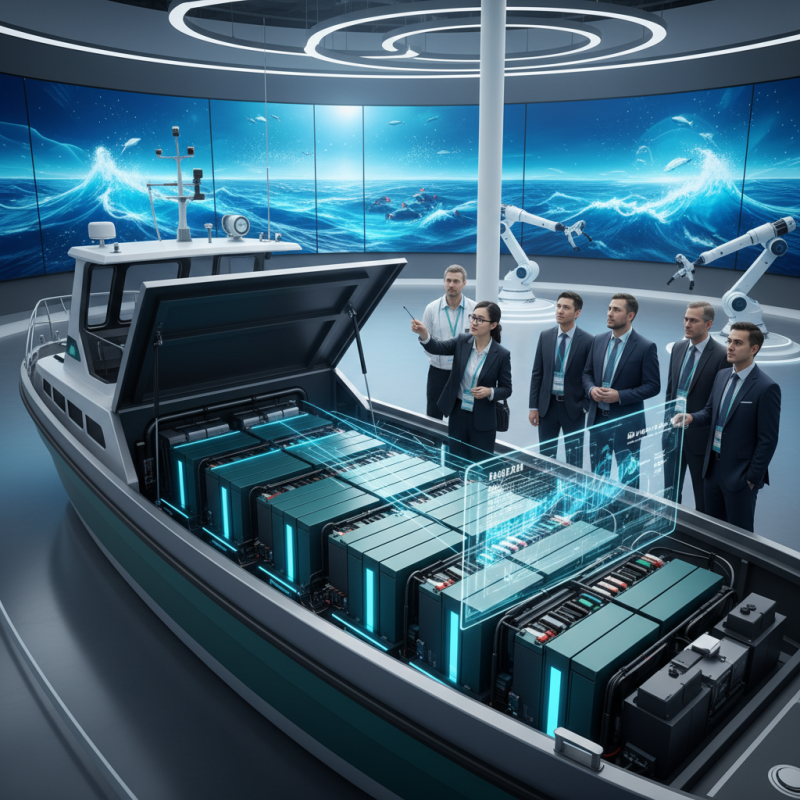
Overview of LiFePO4 Battery Technology for Fishing Boats
LiFePO4 battery technology is making waves in the fishing boat industry. These batteries provide a reliable power source for various applications, from navigation to onboard electronics. They are known for their long cycle life and thermal stability. Many boaters are seeking alternatives to traditional lead-acid batteries.
One notable feature of LiFePO4 batteries is their weight. They are lighter than conventional batteries, allowing for a more balanced boat. This can improve agility on the water. However, some users struggle with charging practices that differ from lead-acid types. Understanding the charging requirements is crucial to avoid premature degradation.
Boaters appreciate the fast charging capabilities of LiFePO4 batteries. They can charge quicker and endure more cycles. Yet, these benefits come with a price. Some may find the upfront cost a bit daunting. Moreover, there’s a learning curve for effective usage. Not everyone realizes the importance of protecting them from extreme temperatures.
Benefits of Using LiFePO4 Batteries in Marine Applications
LiFePO4 batteries have revolutionized marine applications. They offer exceptional energy density, lightweight construction, and impressive cycle life. According to industry reports, these batteries can deliver over 5,000 deep discharge cycles. This is significantly higher than traditional lead-acid batteries, which typically provide around 300 to 500 cycles.
One major benefit is their temperature resilience. LiFePO4 batteries operate efficiently in extreme conditions. They perform well in both high and low temperatures, making them suitable for various climates. Additionally, their safety record is notable. They are less prone to overheating and thermal runaway compared to other lithium-ion technologies. This is crucial for the safety of boaters and their equipment.
However, there are challenges. The initial cost of LiFePO4 batteries can be higher than lead-acid options. Some boaters find this off-putting. Maintenance and installation can also be complex. Many users may need professional help. As more data becomes available, evaluating performance versus cost remains vital. Balancing these aspects is key to maximizing the advantages LiFePO4 batteries bring to the marine sector.
Key Features to Look for in Fishing Boat Batteries at Expos
When exploring fishing boat batteries at expos, there are essential features to consider. Lithium Iron Phosphate (LiFePO4) batteries stand out for their light weight and long lifespan. Look for a battery with a high discharge rate. This ensures your boat can handle various electronic demands. A compact design makes it easier to fit in tight spaces on your boat.
Battery management systems (BMS) are crucial. They protect the battery from overcharging and overheating. A good BMS enhances safety and longevity. Check for warranties. A longer warranty indicates better quality.
Tips: Always ask about the battery's cycle life. It indicates how many charges you can expect. Also, consider the charging speed. A battery that charges quickly is a big advantage. Don’t overlook the importance of brand reputation. User reviews can offer insights into reliability. Reflect on your specific needs before making a choice. All these factors contribute to a smart investment.
2026 Best LiFePO4 Fishing Boat Batteries at China Import Expo
| Battery Type | Capacity (Ah) | Voltage (V) | Weight (kg) | Cycle Life | Charging Time (hrs) | Price (USD) |
| LiFePO4 100A | 100 | 12 | 12 | 2000 | 4 | 400 |
| LiFePO4 150A | 150 | 12 | 18 | 2500 | 5 | 600 |
| LiFePO4 200A | 200 | 12 | 22 | 3000 | 6 | 800 |
| LiFePO4 250A | 250 | 12 | 27 | 3500 | 7 | 950 |
Top Brands and Innovations in LiFePO4 Batteries for 2026
The 2026 China Import Expo showcases the latest in LiFePO4 fishing boat batteries. This year, innovation meets practicality. Manufacturers are focusing on lightweight designs that enhance performance. Some batteries now feature advanced temperature control systems. This ensures safety even in extreme conditions.
Tips: When shopping for a battery, consider the weight. Lighter batteries can improve your boat’s speed. Check the discharge rates too. Higher rates may mean faster charging.
Many new models boast better energy density, which leads to longer usage. However, not all batteries perform as expected. Some underdeliver on lifespan. Users must research and test performance claims.
Tips: Always read reviews and seek user feedback. Experience often reveals real-world durability. Explore options that offer warranties for peace of mind. As the market grows, wiser choices are critical.
2026 Best LiFePO4 Fishing Boat Batteries at China Import Expo
Insights from Industry Experts at the China Import Expo on Battery Trends
At the recent China Import Expo, industry experts shared valuable insights on the evolving trends in LiFePO4 fishing boat batteries. These batteries are gaining traction due to their efficiency and longevity. Many fishers are switching to these advanced options, seeking greater reliability while on the water. The conversations highlighted a growing interest in sustainable practices within the marine sector.
Experts noted the need for innovation in battery technology. They emphasized the importance of enhancing power density and reducing weight. Some speakers pointed out that specific challenges remain. There is a worry over battery disposal and recycling. Questions linger on how best to handle outdated batteries responsibly. These discussions offered a chance to examine the complexities of battery sustainability in real-time.
Participant feedback indicated that while many embraced the shift to LiFePO4, education is still essential. Some attendees expressed confusion about technical specifications. Others feared transitioning from conventionally used batteries could be daunting. Addressing such concerns is vital for industry growth. With ongoing dialogue, the future of fishing boat batteries may become clearer.