
10 Best Panel Light Suppliers for Global Buyers

Choosing the right Panel Light supplier can shape project quality, operating costs, and customer satisfaction. Global buyers often compare more than product prices. They examine light efficiency, color consistency, glare control, warranty terms, and delivery reliability. A bright sample may look impressive, yet perform poorly in a large office. Details matter.

This guide introduces 10 leading Panel Light suppliers for international purchasing teams. The selection focuses on manufacturing experience, product testing, export capability, customization, and after-sales support. Important specifications include wattage, color temperature, CRI, UGR rating, lifespan, emergency options, and installation methods. Buyers should also request test reports, factory photographs, sample units, and clear warranty conditions. Small checks prevent expensive surprises.

No supplier is perfect.

Some companies offer strong prices but limited customization. Others provide excellent engineering support but require higher minimum order quantities. Lead times can change during busy seasons, and regional certification requirements may differ. Therefore, this list should support careful evaluation rather than replace it. Compare samples under real ceiling conditions. Ask how failures are handled after installation. Review packaging before approving a large shipment. Practical experience often reveals weaknesses that brochures hide.

The best supplier depends on your project location, budget, lighting performance targets, and long-term service expectations. By examining these factors together, buyers can build a more reliable shortlist and make a better-informed purchasing decision.
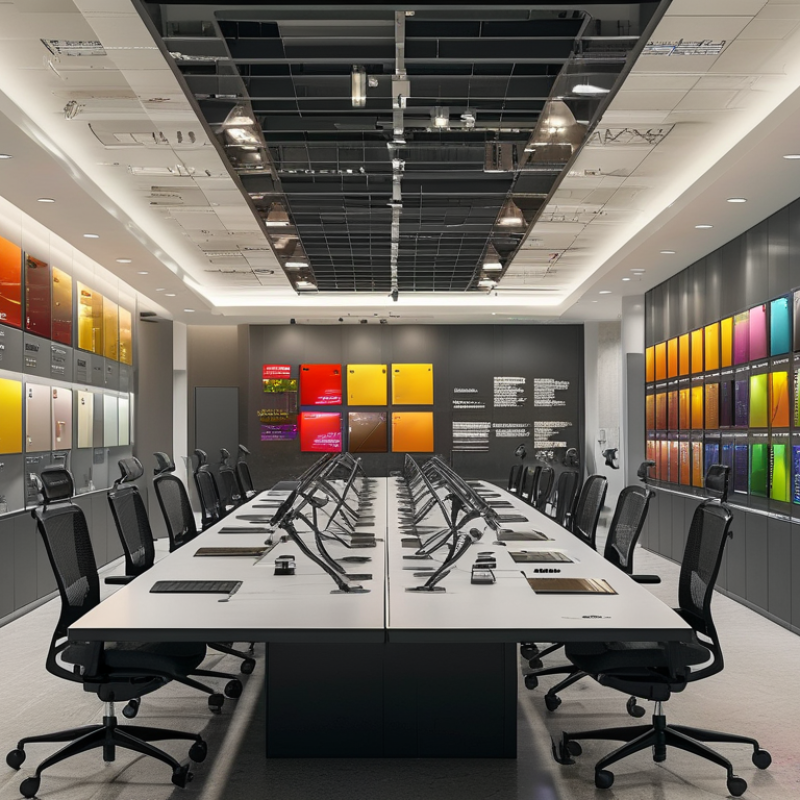
10 Best Panel Light Suppliers for Global Buyers

What Defines a Reliable Panel Light Supplier for Global Buyers

10 Best Panel Light Suppliers for Global Buyers

What Defines a Reliable Panel Light Supplier for Global Buyers

A reliable panel light supplier proves performance beyond a polished catalog. The International Energy Agency reported in 2024 that LEDs represented around half of global lighting sales. That scale increases buyer expectations for efficiency, quality, and service. Suppliers should provide photometric files, measured lumen output, color temperature tolerance, power factor, and flicker data. Test reports should identify the laboratory and test method clearly.

Technical evidence matters. The U.S. Department of Energy’s 2023 solid-state lighting report noted that laboratory LED efficacy had exceeded 200 lumens per watt. Commercial panels usually deliver less. That gap needs honest explanation. Ask for LM-79 reports, LM-80 data, TM-21 projections, and thermal test results. Check whether the stated lifetime uses L70 at a defined ambient temperature. A five-year warranty means little without clear replacement procedures and failure-rate records.

Procurement experience also reveals practical weaknesses. Reliable suppliers label samples consistently, protect panels with corner guards, and share production schedules before payment milestones. They should explain driver sourcing, emergency stock, and customs documentation. Certifications are useful, but certificates alone do not guarantee stable batches. I have seen attractive samples change after mass production. That risk deserves a written approval sample and inspection plan. No supplier is perfect. However, transparent limitations are often more trustworthy than impressive claims without test evidence.

Key Criteria for Comparing Panel Light Manufacturers and Distributors

When comparing the 10 best panel light suppliers for global buyers, look beyond price and catalog size. A reliable supplier should provide clear photometric files, tested lifetime data, and current compliance documents. Ask for the exact LED efficiency, color rendering index, color temperature tolerance, UGR rating, and flicker performance. These details affect office comfort, camera images, and long-term energy costs.

Request a production sample before approving a large order. Install it in a real ceiling, then check brightness, glare, driver noise, and color consistency after several hours. A sample carton should show product codes, electrical ratings, country information, and batch details. Also examine the driver separately. Poor thermal control can shorten panel life, even when the LED specifications look impressive. A factory audit, video inspection, or third-party report adds useful evidence, but none is perfect.

Compare minimum order quantities, lead times, spare-part policies, packaging strength, and warranty procedures. Ask how defective units are recorded and replaced. Suppliers serving different regions should understand voltage ranges, plug requirements, recycling rules, and applicable safety standards. Be cautious with lifetime claims based only on laboratory projections. Real installations may involve dust, heat, unstable power, or frequent switching. I have found that communication speed matters, yet fast replies do not always mean dependable production. A written specification sheet and signed sample approval reduce that risk.

Ten Leading Panel Light Suppliers and Their Product Strengths

10 Best Panel Light Suppliers for Global Buyers

Ten leading panel light suppliers serve different project needs. Commercial LED manufacturers often provide balanced 600x600mm panels, efficient drivers, and stable color temperatures. Architectural lighting specialists focus on slim housings, low-glare optics, and clean ceiling integration. OEM and ODM factories offer flexible dimensions, private packaging, and customized wattage. Their quality depends heavily on production control.

Emergency lighting suppliers add battery backup, test switches, and clearly marked indicators. Cleanroom lighting specialists use sealed frames, smooth surfaces, and dust-resistant construction. Smart lighting suppliers integrate sensors, DALI control, Bluetooth gateways, or occupancy management. Retrofit suppliers design panels for older fluorescent grids, reducing installation changes. High-output industrial suppliers support warehouses and workshops with stronger drivers and wider beam angles.

Regional distributors can simplify local certification, stock management, and replacement orders. Project integrators combine lighting, controls, drawings, and installation guidance for complex buildings. In practical sourcing, I compare tested lumen output, UGR data, driver warranty, and thermal performance. A high lumen number can mislead. Heat may reduce real service life. I have also found that attractive samples sometimes hide inconsistent color between batches. Buyers should request photometric files, test reports, sample units, and clear tolerance limits. Certifications matter, but paperwork alone cannot prove uniform assembly or dependable after-sales support. Supplier communication should be tested before a large purchase. Ask for replacement procedures, packaging photos, and installation instructions. The cheapest quotation is not always the lowest project cost.

Certifications, Customization, Pricing, and International Shipping

For global buyers comparing the 10 best panel light suppliers, certification should come before appearance.

Look for CE, RoHS, and market-specific safety approvals. IEC 60598-1 covers general requirements for luminaires. IEC 60598-2-2 addresses recessed and surface-mounted luminaires. Request test reports, not only logo images. Independent photometric files, LM-79 results, and LM-80 data improve technical confidence. Still, paperwork can be incomplete. Check model numbers carefully.

Customization affects both performance and landed cost.

Reliable suppliers should confirm wattage, color temperature, UGR, dimming protocol, emergency options, and ceiling dimensions. A 36-watt panel with UGR below 19 may suit offices, but warehouse lighting requires different optics.

The U.S. Department of Energy reports that LED products use at least 75% less energy and last up to 25 times longer than incandescent lamps. The IEA’s Energy Efficiency 2024 analysis also identifies efficient lighting as a practical route for reducing electricity demand.

These figures support LED selection, but they do not guarantee every panel’s quality.

Pricing should include drivers, packaging, testing, spare units, duties, and freight insurance.

Ask for EXW, FOB, and DDP quotations when legally available for your destination. For international shipping, confirm carton dimensions, pallet limits, HS classification, and delivery terms in writing.

A sample inspection can reveal flicker, frame gaps, or weak connectors before mass production. It costs time. It may prevent a costly mistake.

Supplier evaluations should weigh warranty response, replacement lead time, and after-sales evidence, not simply the lowest unit price.

How to Select the Best Panel Light Supplier for Your Market

How to Select the Best Panel Light Supplier for Your Market

Choosing a panel light supplier requires more than comparing prices. Check product experience, testing records, and previous export projects. A reliable supplier should explain LED efficiency, color temperature, glare control, and driver performance clearly. Ask for samples before placing a large order. Install them in real spaces, such as offices, classrooms, or retail ceilings. Observe brightness, shadowing, heat, and flicker after several hours. Small details matter.

Supplier communication also reveals operational quality. Request accurate datasheets, packaging photos, production timelines, and warranty terms. Confirm whether replacement parts are available for future maintenance. A professional supplier should discuss local voltage, ceiling systems, climate, and installation habits. However, do not trust polished documents alone. I once found that a perfect sample did not represent the regular production batch. Independent inspection can reduce this risk. It may feel costly, but one failed shipment costs more.

Tips: Compare three suppliers using the same checklist. Review sample consistency, response speed, certifications, and after-sales support. Ask for references from similar markets, but verify them independently. Check whether the supplier can scale without sacrificing quality. Also, calculate the complete cost, including shipping, installation, energy use, and replacements. The cheapest quotation may become the most expensive choice. Leave room for honest doubt. Supplier selection is not only a purchasing decision; it shapes customer trust and long-term project performance.

Article Source: