What is the Best QR Code Reader for Global Buyers?
In today's digital marketplace, a reliable QR Code Reader is essential for global buyers. As mobile transactions and information sharing grow, the right QR Code Reader can enhance these experiences. However, with numerous options available, it's crucial to identify which apps meet the needs of international users.
Choosing a QR Code Reader involves several factors. Compatibility with different devices is key. Speed and accuracy in scanning can make or break a transaction. It's important to explore user reviews to gauge real-world performance. Some apps may offer advanced features, but they might lack basic functionality.
Buyers must reflect on personal needs versus flashy features. Simplicity often trumps complexity. A QR Code Reader should be intuitive. Trustworthy options exist, but buyers should remain cautious. Not all apps are created equal. In evaluating choices, users might feel overwhelmed. Prioritizing reliability over gimmicks can lead to a better experience.
Understanding the Importance of QR Code Readers for Global Buyers
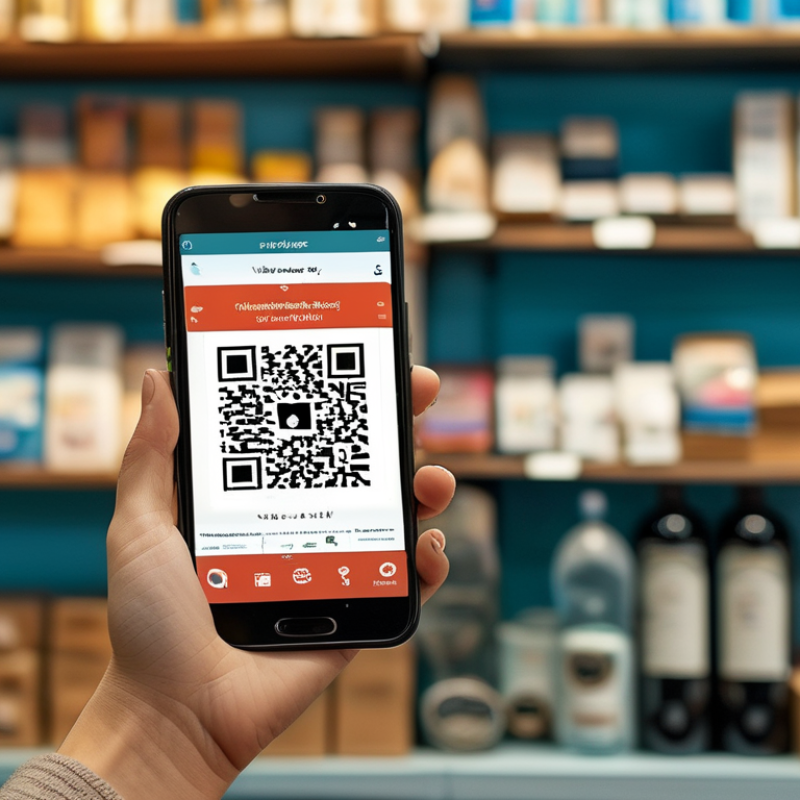
In today's global marketplace, QR codes are more important than ever. They streamline transactions and provide instant access to information. Global buyers can scan codes to retrieve product details, pricing, and reviews. This capability enhances shopping efficiency, making purchases easier across borders.
Moreover, the right QR code reader can significantly impact the buying experience. With many options available, it's crucial to choose one that offers reliability and quick scanning. Buyers need readers that can handle various code types, including those in different languages. Issues like slow scanning or misinterpretation can lead to frustrating experiences, even for seasoned shoppers.
It’s essential to stay updated about new features and security protocols. QR codes can be vulnerable to scams, raising concerns about safety. Buyers should be vigilant in selecting readers known for their focus on security. The ideal reader not only improves connectivity but also ensures a secure and trustworthy shopping environment, addressing potential weaknesses in the current market.
QR Code Reader Popularity Among Global Buyers
Key Features to Consider When Choosing a QR Code Reader
When selecting a QR code reader, several key features come into play. Speed and accuracy are paramount. A reader should quickly scan codes without errors. This is essential for busy global buyers who value efficiency. Additionally, the app’s interface should be user-friendly. Complex designs can deter users. Clear displays and simple navigation enhance the overall experience.
Another important feature is compatibility. Many QR code readers support various formats and QR versions. This flexibility can be beneficial for users in different regions. Also, consider the security features. Some readers provide data encryption, which protects your information during transactions.
**Tips**: Look for scanners that offer offline functionalities. This can save time, especially in areas with poor connectivity. Also, check user reviews for insights on performance. This feedback can reveal common issues that might not be apparent at first glance. Lastly, keep in mind that updates matter. Regular software updates ensure the reader remains reliable and secure.
Top QR Code Readers Currently Available for International Use
When it comes to global buying, selecting the right QR code reader is essential. These tools can simplify transactions and enhance communication with sellers. A variety of QR code readers cater to multiple languages and code formats, ensuring users from diverse backgrounds find them useful.
Some QR code readers boast advanced features like offline scanning. This is beneficial for travelers who may not have access to reliable internet. Others focus on security, encrypting personal data to protect users. Still, not every application offers user-friendly interfaces. Some may have steep learning curves, which can be frustrating for less tech-savvy buyers.
A well-rounded QR code reader should focus on accuracy and speed. Users should consider reading numerous reviews before downloading any app. Experiences shared by fellow global buyers can provide insights into performance and reliability. While many apps claim to be the best, features may not suit everyone's needs. Finding a balance between functionality and ease of use can significantly enhance the shopping experience.
Comparative Analysis of QR Code Reader Performance and User Experience
In recent years, QR code readers have become essential tools for global buyers. Their effectiveness varies widely across different applications. A recent industry report indicated that approximately 70% of users prefer readers that offer seamless integration with various payment systems. Performance metrics also revealed that the fastest readers can decode codes in less than 1 second, enhancing user experience significantly.
However, user preference often hinges on additional features. Many buyers value customizable options, such as the ability to store scanned codes for future use. A survey found that 55% of users find it helpful when an app provides immediate product information or reviews alongside the scanned code. It's worth noting that not all apps are equally reliable. Some may struggle with lower-quality codes or poor lighting conditions.
Tips: Always test different QR code readers to find the best fit for your needs. Check app reviews and user feedback for insights. Stay aware of updates that may improve functionality. Also, remember that while speed is important, the accuracy of data captured is crucial in making informed buying decisions.
What is the Best QR Code Reader for Global Buyers? - Comparative Analysis of QR Code Reader Performance and User Experience
| QR Code Reader | Scanning Speed (ms) | Accuracy (%) | User Rating (out of 5) | Features |
| QR Code Reader A | 150 | 98 | 4.8 | Batch scanning, History tracking |
| QR Code Reader B | 200 | 95 | 4.5 | Offline mode, User-friendly interface |
| QR Code Reader C | 180 | 97 | 4.7 | Custom branding, Analytics |
| QR Code Reader D | 160 | 94 | 4.6 | Multi-language support, Cloud sync |
Future Trends in QR Code Technology and Reader Applications
The QR code technology is evolving rapidly. According to a report by MarketsandMarkets, the global QR code market is projected to reach $41.5 billion by 2027. This growth is driven by increasing smartphone penetration and the rise of contactless transactions. As global buyers become more reliant on digital solutions, the demand for efficient QR code readers will likely expand.
Emerging trends include advanced scanning capabilities. Readers are not just scanning codes but providing additional information in real-time. For instance, augmented reality features can overlay digital content onto products viewed through a smartphone camera. This creates an engaging shopping experience that blends the physical and digital worlds seamlessly. A recent survey showed that 70% of consumers prefer brands that use interactive QR technology.
Tip: When selecting a QR code reader, look for applications with additional features that enhance user experience. Prioritize options that offer analytics as these can help assess user engagement.
Another trend is security. With increased usage, the potential for fraud and misuse also rises. QR codes can be manipulated, leading to potential scams. Users should ensure their QR code readers have built-in security features. Companies must also take steps to secure their QR codes against unauthorized access.
Tip: Always verify the source of the QR code before scanning. This simple step can prevent data breaches and keep your information safe.