Best Smart Plug Outlet Features and Benefits You Must Know?
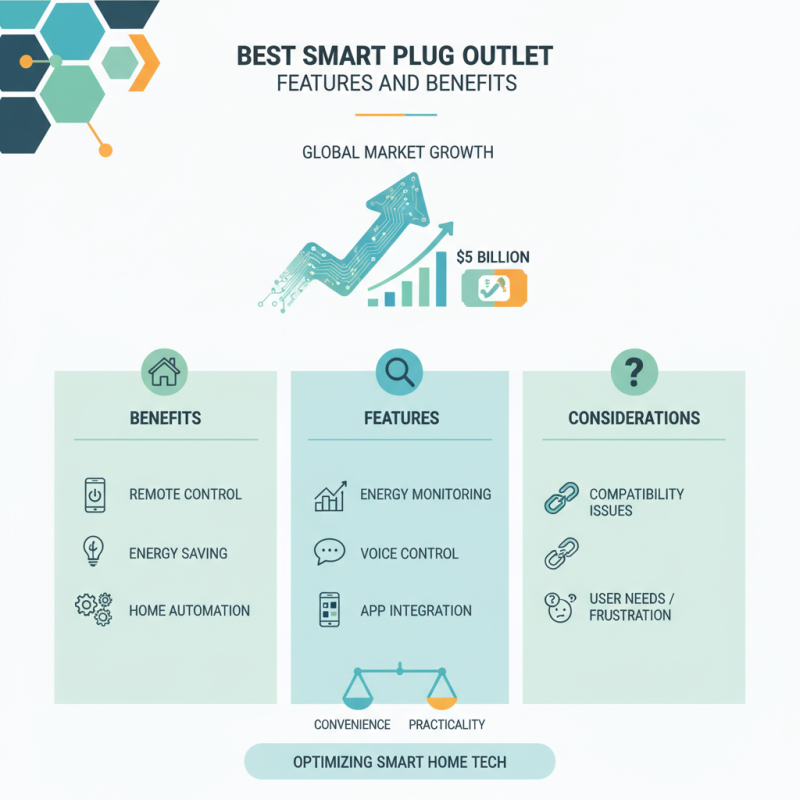
The rise of Smart Plug Outlets has transformed how we interact with our electrical devices. According to a report by Research and Markets, the global smart plug market is projected to reach $5 billion by 2026. This surge underscores a growing consumer demand for smart technologies.
Smart Plug Outlets offer numerous benefits. They enable users to control appliances remotely, save energy, and enhance home automation. A study by Statista revealed that over 30% of U.S. households have at least one smart device, signaling a shift towards smarter living solutions. However, while the convenience is undeniable, challenges like compatibility issues do arise, leading some users to rethink their purchases.
Understanding Smart Plug Outlet features can significantly improve user experience. These outlets often include energy monitoring, voice control capabilities, and app integration. Yet, users should carefully consider their unique needs. Some may find that not all smart plugs align with their home systems, which can lead to frustration. Balancing convenience with practicality is essential in optimizing smart home technology.
Key Features of Smart Plug Outlets You Should Consider
Smart plug outlets have gained immense popularity due to their convenience and functionality. When considering a smart plug, several key features stand out. First, energy monitoring is vital. Studies show that homes can save up to 20% on energy costs with smart devices that optimize usage. Smart plugs can track energy consumption, providing insights that help users make informed decisions.
Another essential feature is remote control. Many consumers appreciate the ability to control appliances from anywhere via their smartphones. Research indicates that 57% of users feel more secure knowing they can turn devices off when away from home. Additionally, voice control compatibility offers hands-free operation, a significant advantage for multitaskers.
Scheduling is another aspect that enhances usability. Users can set timers for devices to turn on or off automatically. A significant percentage of households report using this feature to create a sense of security when they’re not home. However, it’s crucial to consider potential issues with connectivity. Intermittent Wi-Fi can lead to frustrations, reducing reliability. Smart plugs are useful, but the technology is not flawless.
Benefits of Using Smart Plugs for Home Automation
Smart plugs are becoming essential for home automation. They offer convenience and improved energy efficiency. Imagine controlling your lights, fans, and appliances from your smartphone. No more getting up to turn off the lamp or worrying about forgetting to unplug your devices. Smart plugs can help reduce energy consumption, which may lead to lower utility bills.
One key benefit is scheduling. You can set your smart plugs to turn on or off at specific times. For example, the coffee maker can start brewing before you wake up. You could save energy by turning off devices when they're not in use. This means less electricity wasted on standby mode.
Tips: Start with one or two plugs before expanding your setup. This allows you to evaluate their features and effectiveness. Regularly review your energy usage to identify devices that can benefit from automation. Integrating smart plugs can take time and experimentation, so adjust settings as needed. Embrace the learning curve and refine your automation strategy.
Compatibility: Which Devices Work with Smart Plugs?
Smart plugs are increasingly popular due to their flexibility and convenience. Compatibility is vital when choosing a smart plug. Most models work with devices like lamps, fans, and coffee makers, but others may not perform well with high-wattage appliances. According to recent reports, around 30% of users experience connectivity issues when integrating certain devices.
When setting up smart plugs, ensure they match the voltage and amperage of your appliances. This can prevent potential damage. Many devices require specific protocols, such as Wi-Fi or Zigbee. Check your smart home ecosystem to avoid compatibility problems.
Tips: Always read user reviews for insights on device compatibility. Test with low-power appliances first. If issues arise, consider resetting your smart plug, as connectivity can sometimes falter. Be aware that not every smart plug supports all smart home systems, leading to frustration during setup. Make informed choices to enhance your smart home experience and avoid setbacks.
Safety and Energy Efficiency Advantages of Smart Plug Outlets
Smart plug outlets have emerged as a crucial part of modern energy management. They not only provide convenience but also champion safety and energy efficiency. According to a report by the U.S. Department of Energy, smart plugs can reduce energy wastage by an impressive 20 to 30% in homes when used effectively. This reduction is vital as the average American household spends nearly $2,000 yearly on energy costs.
In terms of safety, smart plugs often feature built-in surge protectors. This minimizes risks posed by electrical spikes. Reports from the National Fire Protection Association indicate that nearly 30% of home fires result from electrical issues. Utilizing smart plugs can significantly lower this risk. The ability to schedule devices and monitor usage empowers users to prevent overheating and ensures devices are not left on unnecessarily.
Tip: Regularly check the power ratings of your devices. Matching devices to the right smart plug prevents overloads and potential hazards.
Another point to consider is energy tracking. Many smart plugs provide insights into real-time energy consumption. Users can adjust habits based on this data. A study highlighted that many households underestimate their energy use by up to 50%. Understanding actual consumption can lead to more informed choices.
Tip: Use energy monitoring features to identify energy hogs in your home. This can promote more sustainable living practices.
Top Smart Plug Outlet Brands to Explore for Quality and Reliability
When choosing a smart plug outlet, exploring reliable brands is essential. According to a recent industry report by MarketsandMarkets, the global smart plug market is expected to reach $3.5 billion by 2026, reflecting a growing consumer interest in smart home technology. Many reputable brands provide quality smart plugs that deliver efficiency and performance.
Brand reputation is crucial. Well-known brands often commit to quality testing and customer feedback. These brands usually offer features like energy monitoring, scheduling timers, and voice control compatibility. A survey from Statista indicates that 67% of consumers prioritize brand reliability when investing in smart home devices. This shows that the right brand can enhance user experience significantly.
However, not all smart plugs are created equal. Some may lack compatibility with existing smart home ecosystems. Others might not have advanced features like surge protection or remote access. In a fast-evolving market, consumers must remain vigilant. Reading user reviews and looking for certifications can help identify trustworthy products. Engaging with community forums can provide valuable insights into brands that consistently meet user expectations.