How to Build an Effective Networking Infrastructure for Your Business in 2025
As we approach 2025, the importance of a robust networking infrastructure has never been more critical for businesses striving to maintain a competitive edge in an increasingly digital world. The rapid evolution of technology, along with the growing reliance on remote work and cloud-based services, calls for a strategic approach to building a network that can support future demands. An effective networking infrastructure is not just about connectivity; it encompasses the integration of hardware, software, and protocols that ensure seamless communication and efficient data management across various platforms.
Moreover, the complexity of modern networking infrastructure requires business leaders to prioritize adaptability and scalability. Companies must consider factors such as cybersecurity, data privacy, and compliance with evolving regulations, as these elements are essential for safeguarding sensitive information and maintaining customer trust. Implementing innovative solutions like software-defined networking (SDN) and network function virtualization (NFV) can further enhance operational efficiency and flexibility, enabling organizations to respond swiftly to changing market conditions and user demands.
This article aims to guide businesses in understanding the fundamental components and best practices for developing a successful networking infrastructure that not only meets current operational needs but is also future-proofed for the challenges and opportunities that lie ahead. Emphasizing strategic planning, investment in the right technologies, and continuous assessment, we will explore how organizations can position themselves for long-term success in a dynamically evolving landscape.

Understanding the Importance of Networking Infrastructure for Businesses in 2025
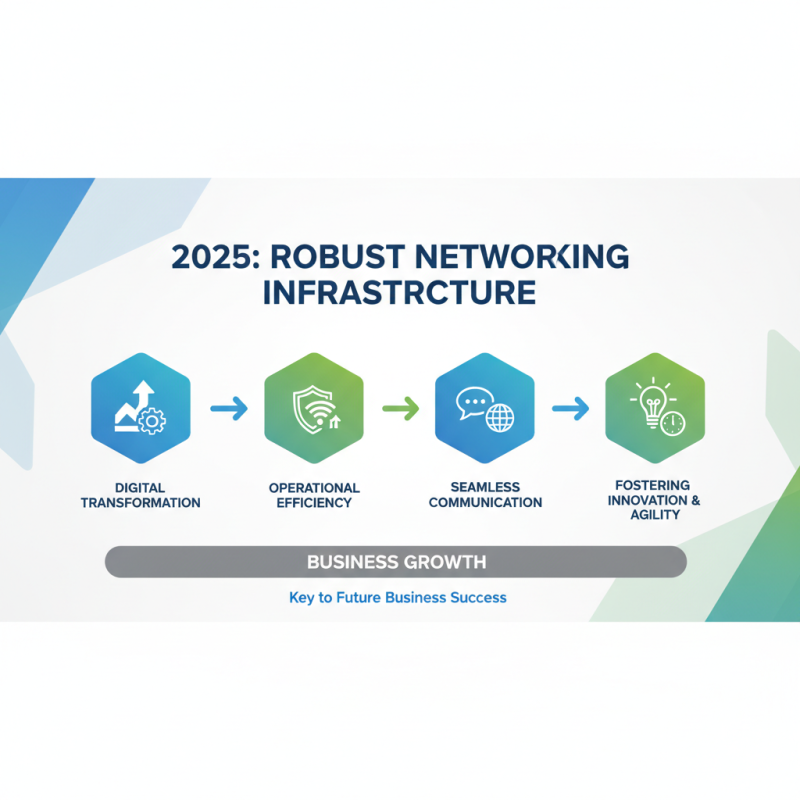
In 2025, the significance of robust networking infrastructure for businesses cannot be overstated. As organizations continue to embrace digital transformation, having a reliable network becomes fundamental to sustaining operational efficiency and fostering innovation. A well-structured networking infrastructure enhances communication, ensuring seamless connectivity among employees and stakeholders, irrespective of their geographical locations. This connectivity is crucial for businesses to facilitate collaboration and respond swiftly to market demands.
Moreover, the increasing prevalence of remote work necessitates a strong networking backbone that can support diverse applications and services. Cloud-based solutions, enhanced cybersecurity measures, and efficient data management are integral components that rely heavily on the effectiveness of networking infrastructure. By investing in advanced networking technology, businesses can not only improve their productivity but also create a secure environment for sensitive data. Thus, as the business landscape evolves, recognizing and developing a solid networking infrastructure will be pivotal for long-term success and adaptability in the years to come.
Key Components of a Modern Networking Infrastructure
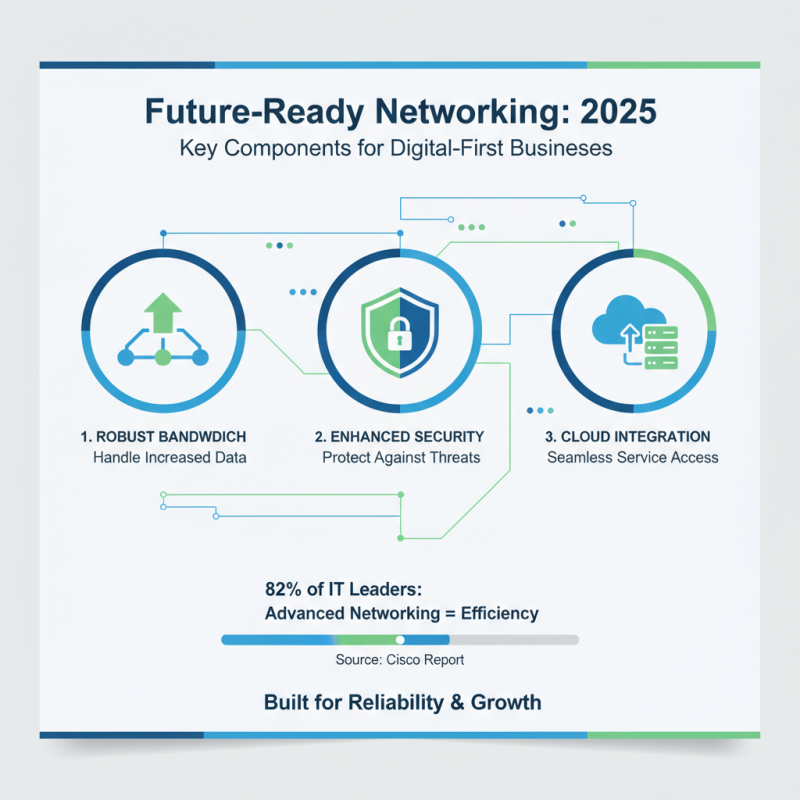
In 2025, building an effective networking infrastructure is crucial for businesses aiming to thrive in a digital-first economy. Key components of a modern networking infrastructure include robust bandwidth capabilities, enhanced security measures, and seamless integration of cloud services. According to a recent report by Cisco, 82% of IT leaders believe that investing in advanced networking solutions is vital for achieving operational efficiency. This emphasizes the need for a networking framework capable of handling increased data demands while ensuring security and reliability.
One essential element in creating this infrastructure is adopting Software-Defined Networking (SDN). SDN allows businesses to manage their networks more dynamically and efficiently, providing real-time visibility into traffic patterns and resource allocation. A study by Gartner indicated that companies implementing SDN could reduce operational costs by up to 30%.
Tips for building an efficient networking infrastructure include regularly assessing your bandwidth needs to ensure scalability as your business grows, and investing in security protocols like Zero Trust to protect against emerging cyber threats. Additionally, consider adopting hybrid cloud solutions to balance workloads and optimize resource utilization. By focusing on these key components, businesses can create a networking infrastructure that not only supports their current needs but also positions them for future success.
Strategies for Designing a Scalable and Flexible Network
In 2025, creating a scalable and flexible networking infrastructure will be essential for businesses aiming to thrive in a rapidly evolving digital landscape. According to a report by Gartner, by 2024, 70% of organizations will prioritize software-defined networking to enable greater agility and responsiveness to changing business conditions. This transition not only streamlines network management but also facilitates the integration of emerging technologies such as IoT and AI, paving the way for innovation and efficiency.
To design a network that can grow with your business, consider adopting a cloud-first approach. Cloud-based solutions allow for seamless scalability without the need for extensive hardware investment. Furthermore, incorporating network automation tools can enhance operational efficiency and reduce the potential for human error. A study from IDC predicts that businesses leveraging automation in their network management will reduce operational costs by up to 30% by 2025, highlighting the financial benefits of investing in modern network architectures.
Tips: Regularly assess your network performance metrics to identify bottlenecks. Keeping an eye on bandwidth usage can inform necessary upgrades before performance becomes an issue. Additionally, integrate a robust security framework from the start; as highlighted by Cisco, 85% of security breaches stem from misconfigured networks. Implementing proactive security measures will safeguard your infrastructure as it scales.
How to Build an Effective Networking Infrastructure for Your Business in 2025
| Aspect |
Strategy |
Benefits |
Challenges |
| Network Scalability |
Implementing SDN (Software-Defined Networking) |
Flexible resource allocation |
Initial setup complexity |
| Cloud Integration |
Adopting hybrid cloud solutions |
Increased accessibility |
Data security concerns |
| Flexible Bandwidth |
Utilizing bandwidth on demand |
Optimized performance |
Cost management |
| Security Measures |
Implementing zero trust architecture |
Enhanced security posture |
Complex policy management |
| IoT Device Management |
Deploying IoT platforms to manage devices |
Better data collection |
Interoperability issues |
Implementing Security Measures for Network Protection
As businesses evolve in 2025, implementing robust security measures for network protection becomes paramount.
With the rise of advanced cyber threats, organizations must prioritize multilayered security frameworks to safeguard data and maintain operational integrity.
This includes employing firewalls, intrusion detection systems, and encryption protocols that not only protect sensitive information but also continuously monitor for vulnerabilities.
Moreover, educating employees about security best practices is vital. Conducting regular training sessions can empower staff to recognize phishing attempts and other cyber risks.
Additionally, adopting a zero-trust approach can further enhance network security by ensuring that no entity inside or outside the network is trusted by default, thus minimizing potential breaches.
By integrating these strategies, businesses can build a resilient networking infrastructure that supports growth while mitigating the risk of cyberattacks.
Future Trends in Networking Technology and Their Business Implications
As we approach 2025, businesses will need to adapt to several transformative trends in networking technology that will significantly impact their infrastructure strategies. One of the most critical trends is the rise of 5G and beyond, which promises not only faster data transfer rates but also ultra-low latency. This advancement will facilitate the growth of IoT devices, allowing companies to gather real-time data from various sources to make agile business decisions. Organizations that invest in optimizing their networks for 5G will enhance their capabilities in areas such as remote work, telemedicine, and smart manufacturing.
Another emerging trend is the increasing reliance on AI and machine learning to manage network performance and security. By implementing AI-driven tools, businesses can proactively identify and mitigate issues before they escalate, ensuring a more reliable network experience. Additionally, with the growing importance of cybersecurity, AI can provide robust defenses against evolving threats, protecting sensitive business data. The fusion of these advanced technologies will create more resilient and efficient networking environments, ultimately driving innovation and competitive advantage for businesses willing to embrace these changes.
Future Trends in Networking Technology and Their Business Implications