What is Cat 6a Cable? Benefits, Uses, and How It Compares to Other Cables
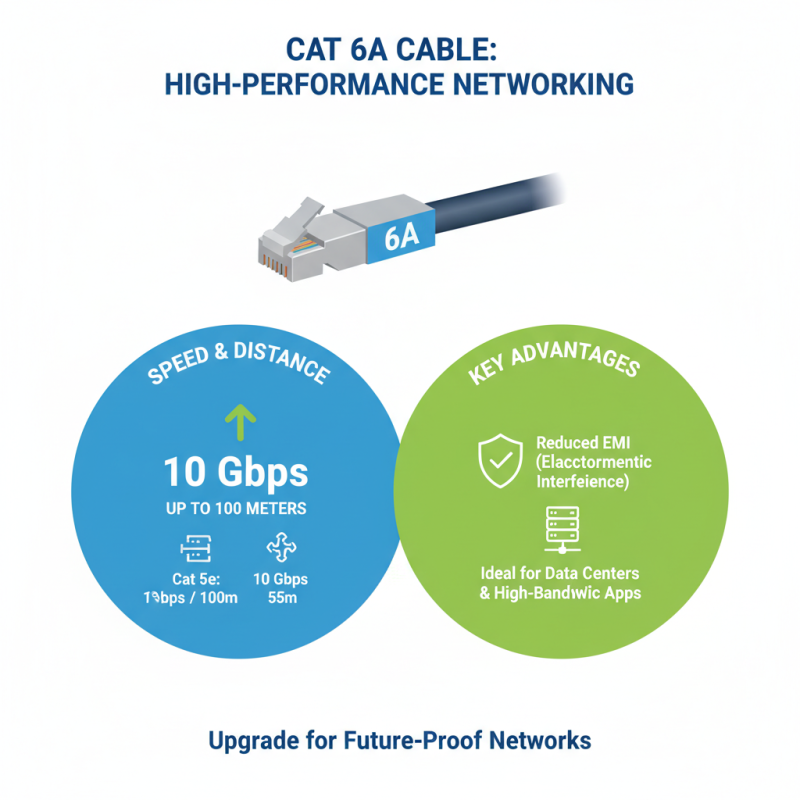
In the ever-evolving world of networking technology, the Cat 6a cable stands out as a superior choice for high-speed data transmission. Renowned industry expert Dr. Emily Johnson, a leading figure in telecommunications, emphasizes that "Cat 6a cables not only offer exceptional performance but also cater to the increasing demands of modern applications." This reflects the cable’s capability to support frequencies up to 500 MHz and speeds of 10 Gbps over distances of up to 100 meters, making it an invaluable asset for both residential and commercial networks.
As businesses and households continue to embrace high-bandwidth applications, understanding the benefits and uses of Cat 6a cables becomes essential. With advancements in online gaming, streaming services, and cloud computing, the demand for reliable and efficient connectivity has never been higher. By comparing Cat 6a cables with their predecessors, such as Cat 5e and Cat 6, we can better appreciate the technological advancements that have made this cable a preferred choice for future-proofing networks.
Ultimately, the Cat 6a cable offers not just enhanced data rates and bandwidth but also improved performance in a range of challenging environments, positioning it as a pivotal component in advancing networking infrastructure for years to come.
What is Cat 6a Cable? An Overview of Its Specifications and Features
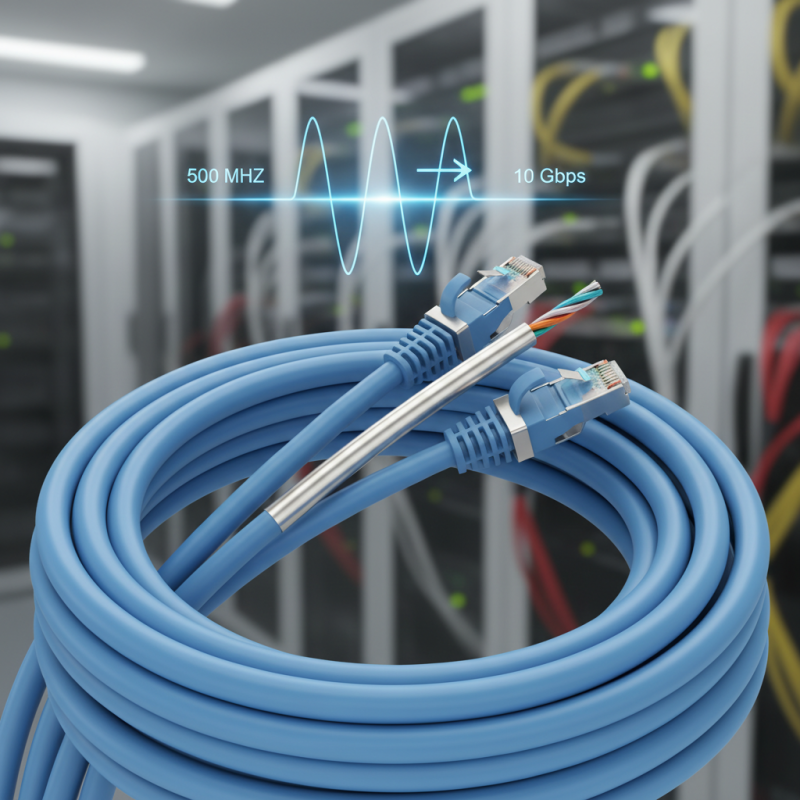
Cat 6a cable, short for Category 6 augmented cable, is an advanced twisted pair cable system that supports higher data rates and bandwidths compared to its predecessors. This cable is designed to handle frequencies up to 500 MHz, allowing it to transmit data at speeds of 10 Gbps over distances up to 100 meters. The enhanced shielding of the Cat 6a cable minimizes interference and crosstalk, making it an ideal choice for environments with higher electromagnetic interference.
One of the key features of Cat 6a cables is their capability to deliver reliable performance for high-demand applications such as data centers, enterprise networks, and video conferencing setups. They are backward compatible with Cat 6 and Cat 5e cables, ensuring ease of integration into existing network infrastructures. Additionally, their robust construction allows for better durability, especially in environments where physical degradation is a concern, enhancing the overall lifespan of the network cabling system.
Comparing Cable Standards: Cat 6a vs. Other Cables
This chart compares the maximum data rates of different Ethernet cable standards. Cat 5e offers 1 Gbps, while Cat 6 supports 10 Gbps. Cat 6a maintains this rate over longer distances, making it suitable for modern networking needs. Cat 7 also provides up to 10 Gbps but with additional shielding for better performance.
Key Benefits of Using Cat 6a Cable in Networking Applications
Cat 6a cable, an enhanced version of standard Cat 6, offers significant advantages for networking applications. One of its key benefits is its ability to support data transmission speeds of up to 10 Gbps over distances of up to 100 meters. This high-speed capability makes it ideal for tasks that require bandwidth-intensive processes, such as video streaming, online gaming, and large file transfers. Additionally, Cat 6a cables are designed to minimize crosstalk and interference, resulting in a more stable and reliable network connection.
When considering the installation of Cat 6a cable, it’s crucial to ensure proper planning and organization. Tip: Use structured cabling systems to keep the installation neat, thereby enhancing performance and ease of troubleshooting. Furthermore, maintaining an adequate distance from electromagnetic interference sources—like fluorescent lights or microwave ovens—can help in achieving optimal performance.
Another advantage of Cat 6a cables is their backward compatibility with previous Ethernet standards, including Cat 5 and Cat 5e. This compatibility allows for easier upgrades without the need for fully new cabling systems. Tip: When upgrading, label your cables clearly to facilitate future maintenance and changes. This simple practice can save a significant amount of time and effort in large networking projects.
Common Uses of Cat 6a Cable in Residential and Commercial Settings
Cat 6a cable is increasingly popular in both residential and commercial settings due to its enhanced performance characteristics. It supports data transmission speeds up to 10 Gbps at lengths of up to 100 meters, making it an excellent choice for high-bandwidth applications. In residential settings, Cat 6a is often used for home networks, smart home devices, and online gaming, ensuring a reliable and fast internet connection. In contrast, commercial environments utilize Cat 6a for office networks, data centers, and multimedia applications where high-speed connectivity is crucial.
When considering the installation of Cat 6a cabling, keep in mind that proper termination and installation can significantly impact performance. Tips for a successful setup include using quality connectors and adhering to recommended bending radii. Additionally, for optimal performance, ensure that the cable is not run parallel to electrical lines, which can cause interference.
As the structured cabling market continues to grow, expected to reach $21.48 billion by 2029, Cat 6a's popularity highlights its relevance. Its widespread adoption is driven by the increasing need for reliable, high-speed data solutions in various settings, promising a robust future for this cable type.
Comparative Analysis: Cat 6a vs. Other Ethernet Cables
Cat 6a cable, an enhanced version of the standard Cat 6, provides significant advantages over its predecessors and even some newer categories. One of its primary benefits is the ability to support higher data rates—up to 10 Gbps—over longer distances of up to 100 meters. Compared to Cat 5e, which supports up to 1 Gbps, and standard Cat 6, which can also reach 10 Gbps but only over shorter distances, Cat 6a is often the preferred choice for high-performance networks, especially in environments with high levels of electromagnetic interference.
When comparing Cat 6a to newer options like Cat 7 and Cat 8, it’s important to consider their intended use cases. While Cat 7 supports even higher frequencies and shielding features for better performance in superior environments, the increased costs may not justify the upgrade for many users. Cat 8 cables, designed primarily for data centers, offer massive speeds up to 25-40 Gbps but are overkill for typical home or office applications. Hence, for most users seeking a balance of performance, distance, and cost, Cat 6a remains a robust choice that effectively meets modern networking demands.
Installation Tips and Best Practices for Cat 6a Cable Connections
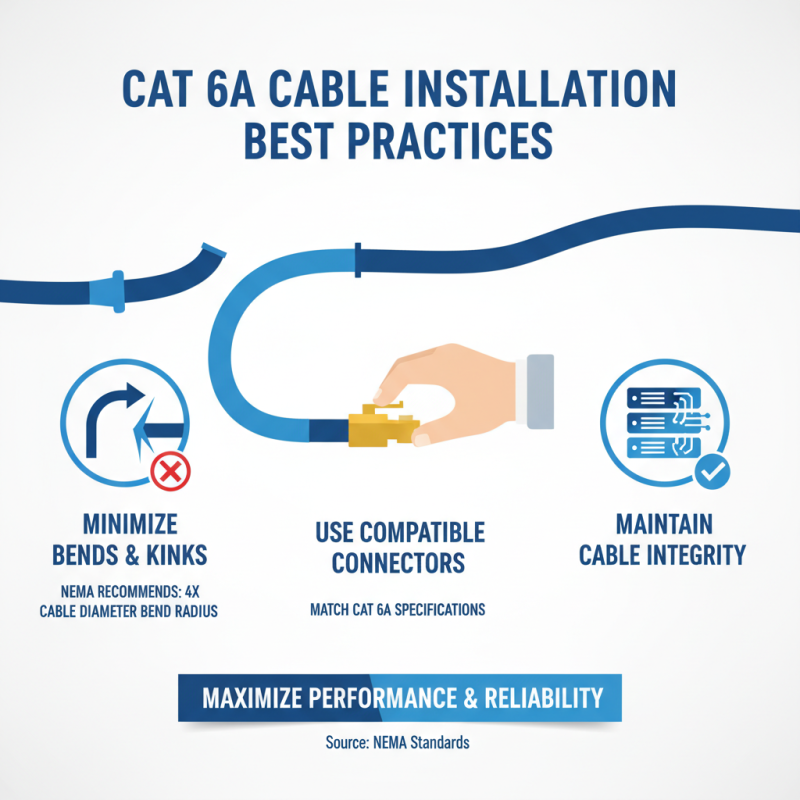
When installing Cat 6a cable, adhering to best practices is essential for maximizing performance and ensuring a reliable network. It is crucial to maintain the integrity of the cable by minimizing bends and kinks during installation. The National Electrical Manufacturers Association (NEMA) recommends a bend radius of at least four times the cable's outer diameter to avoid interference and signal degradation. Moreover, using the appropriate connectors and ensuring that they are compatible with Cat 6a specifications helps preserve the cable's high-speed capabilities.
In addition to physical installation guidelines, it's important to consider the overall network environment. Cat 6a cables are rated for 10 Gbps data transfer over distances up to 100 meters, but external factors such as electromagnetic interference (EMI) can affect performance. Industry reports indicate that proper grounding and shielding techniques can significantly reduce EMI exposure, thereby enhancing the cable's efficiency. Utilizing high-quality components and maintaining an organized cabling system will also contribute to optimal performance and easier troubleshooting down the line.