How to Choose Armored Fiber Optic Cable at the 139th Canton Fair?
Choosing the right Armored Fiber Optic Cable is crucial, especially at major trade events like the 139th Canton Fair. The fair offers a vast showcase of suppliers. Experts like Dr. Michael Chen emphasize, "Selecting quality fiber optic cables can prevent costly downtime." His words resonate strongly in a world increasingly dependent on reliable communication.
At the upcoming Canton Fair in 2026, innovative features will aid buyers. The introduction of AI-driven tools will streamline the selection process. These advancements allow purchasing teams to quickly identify suppliers with essential certifications, such as ISO and CE. However, despite these tools, careful evaluation remains necessary. Not all armored cables are created equal, and quality assurance is key.
Navigating through 155 million square meters of exhibition space can be overwhelming. While AI provides precise path planning, human judgment is irreplaceable. Buyers often overlook finer details, leading to regrets later. In this evolving landscape, attention to detail will save both time and resources. The right Armored Fiber Optic Cable can make a difference in project success.
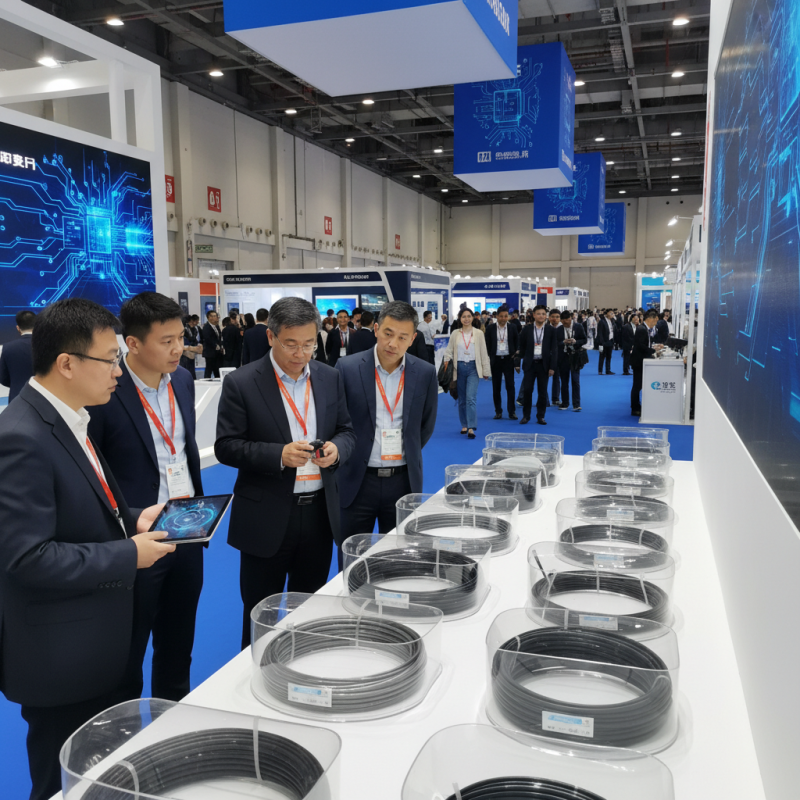
Understanding Armored Fiber Optic Cable Types and Specifications
Choosing the right armored fiber optic cable can be challenging, especially at large events like the 139th Canton Fair. Different types of armored cables are available, each designed for specific environments. For example, cables in a harsh outdoor setting need strong protection against physical damage. These cables often feature a steel or aluminum armor layer that safeguards the delicate fibers inside.
When examining specifications, consider the cable's diameter and flexibility. Some cables are thicker and less flexible, while others are designed for easier installation in tight spaces. The fiber count is also crucial; more fibers allow for higher data transmission. However, more fibers mean a bigger cable. Think about your needs carefully before making a choice.
It's important to evaluate your installation environment. For underground use, moisture-resistant materials are necessary. In contrast, aerial installations might require lighter options. Take time to reflect on how your choices impact network performance. By understanding these specifications, you can make a more informed decision that meets your specific requirements.
Armored Fiber Optic Cable Types and Specifications
Identifying Key Features to Consider When Choosing Armored Cables
When choosing armored fiber optic cables, there are several key features to consider. The type of armor is crucial. Steel armor provides strong protection against physical damage. Aluminum armor is lighter and offers good protection in less demanding environments. Consider where the cable will be installed. Indoor cables may need different features than outdoor ones.
Another important aspect is the cable's flexibility. A more flexible cable can simplify installation, especially in tight spaces. Look for cables that maintain low bend radius ratings. These ratings indicate how easily the cable can be bent without damage. The environmental rating matters, too. Cables should withstand temperature variations and moisture if installed outdoors.
Do not overlook the fiber type. Single-mode fiber allows for longer distances with minimal loss. Multi-mode fiber is often cheaper and sufficient for shorter runs. Think about future needs as well. Will you upgrade to faster speeds later? Your choice now should permit those upgrades down the line. Reflecting on these features ensures a better investment in your network infrastructure.
How to Choose Armored Fiber Optic Cable at the 139th Canton Fair?
| Feature | Description | Importance | Considerations |
| Cable Type | Single-mode vs Multimode | High | Determine based on application and distance |
| Armoring Material | Steel vs Aluminum | Medium | Consider environmental exposure and mechanical protection |
| Cable Jacket | UV resistant, waterproof materials | High | Suitable for outdoor installations |
| Core Count | Number of fibers in the cable | Medium | Based on current and future needs |
| Installation Method | Aerial, underground, or conduit | High | Compatibility with installation environment |
| Temperature Rating | Operating range of the cable | Medium | Ensure suitability for climatic conditions |
Evaluating Durability and Protection Ratings for Fiber Optic Cables
Choosing the right armored fiber optic cable is crucial for ensuring durability in harsh environments. Durability ratings indicate how well a cable withstands physical stress. According to industry reports, cables with a greater tensile strength can endure more strain without damage. It's important to consider the impact and crush resistance of a cable, especially in areas with heavy machinery. Some cables are rated for impact levels as high as IK10, meaning they can survive significant blows.
Tip: Always verify the cable's protection rating before making a purchase. Look for cables with specific ratings for moisture and dust ingress, like IP67 or higher. This ensures that the cable performs well in outdoor or industrial settings.
While many cables boast high ratings, not all perform equally in real-life situations. Fiber optic cables require careful handling despite their armored shells. Users sometimes overlook installation practices, which can lead to damage. A recent study highlighted that improper installation led to 30% of cable failures in comparative tests. Choosing the right cable is essential, but so is following best practices during installation.
Comparing Costs and Suppliers at the 139th Canton Fair
At the 139th Canton Fair, comparing costs and suppliers for armored fiber optic cables is crucial. Many options exist, making it essential to evaluate each carefully. Prices can vary significantly among suppliers, leading to confusion. Setting a budget early can help maintain focus while exploring options.
While attending, take notes on different suppliers. Record prices, features, and any additional services they offer. This will aid in making informed decisions later. However, don't forget to ask questions. Clarifying details can reveal hidden costs or limitations in the products.
Reviewing the specifications of each cable is vital. Some may not meet your requirements despite a competitive price. Consider durability and performance in various environments. Reflect on the long-term implications of your choices. Investing in quality now can save money down the line.
Tips for Making Informed Purchase Decisions for Armored Cables
When considering armored fiber optic cables at the 139th Canton Fair, it's crucial to focus on specific needs. Look for various types of armored cables available for different applications. Assess the environment where the cables will be installed. Will they face harsh conditions? Think about how many cables are needed for your project. This can affect the overall cost and installation process.
It’s easy to get overwhelmed by choices. Remember, not all armored cables are created equal. Pay attention to the materials used in construction. Consult with suppliers about durability and flexibility. Ask questions, and don't hesitate to request samples. Evaluating different options will help in making informed decisions.
Budget plays a significant role, but don’t compromise on quality. It’s tempting to opt for the cheapest option. However, investing in quality cables ensures longevity and performance. You may need to revisit your decisions if the initial choice proves unsatisfactory. Learning from past experiences can guide your future purchases. Choose wisely at the fair; it could save you time and money later.