How to Choose the Best Cat 6a Cable for Your Network Needs?
Choosing the right Cat 6a cable can significantly enhance your network performance. With the rise of high-speed internet and smart devices, understanding your cables is crucial. Cat 6a cables offer improved bandwidth and reduced interference, making them a top choice for many users. However, selecting the best one is not always straightforward.
Consider the length you need. Longer cables may cause signal degradation. Pay attention to the materials used in the cable, as this affects durability and performance. It's essential to also think about the environment. Cables with better shielding are effective in areas with interference.
Not all Cat 6a cables are created equal. Some might not meet the required standards for speed and quality. Look for reputable brands with a track record. Reading customer reviews can provide insights into their reliability. Balancing cost and performance is key. Often, spending a little more ensures a better connection. Investing in the right Cat 6a cable is a step toward a more efficient network.
Understanding the Categories: An Overview of Cat 6a Cable Specifications
When choosing a Cat 6a cable, understanding its specifications is crucial. Cat 6a cables provide enhanced performance over shorter cables. They support a bandwidth of up to 500 MHz and can achieve speeds of 10 Gbps over a distance of up to 100 meters. This makes them suitable for high-speed internet, gaming, and streaming.
Look for factors like cable construction and shielding. Cat 6a cables can be unshielded twisted pair (UTP) or shielded twisted pair (STP). STP cables reduce interference, making them ideal for areas with a lot of electrical noise. Remember, not all Cat 6a cables are created equal. Check for the appropriate certification standards, as this will ensure reliability.
Tip: Always consider future-proofing your network. Investing in higher quality cables now can save you trouble later. Also, avoid bending the cables sharply. This can lead to performance issues. Take time to compare lengths and ensure they fit your setup. Doing so can enhance your network experience significantly.
Key Features of Cat 6a Cables: Performance Metrics and Standards
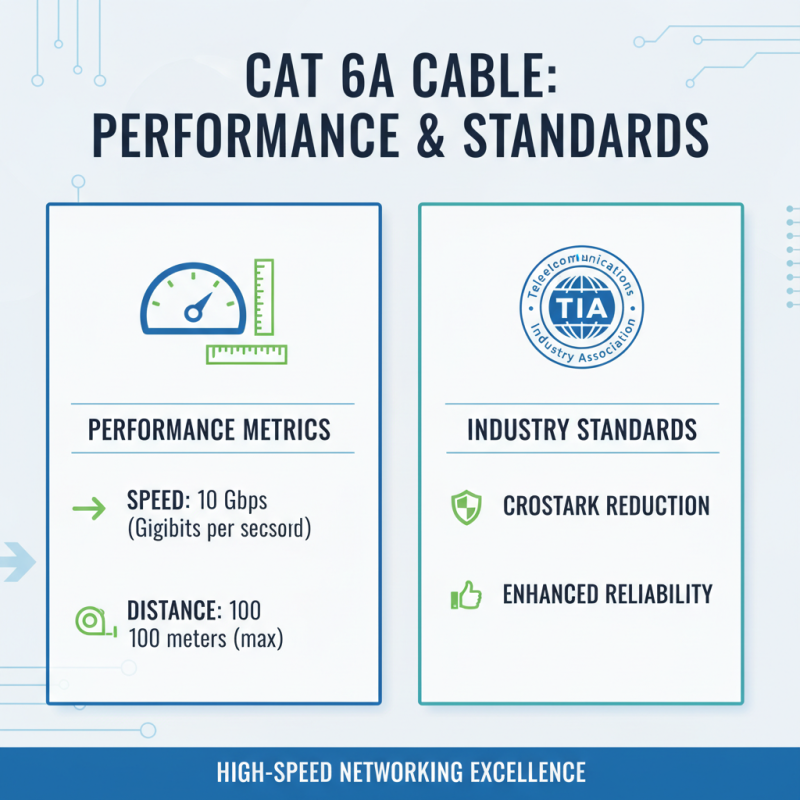
When considering a Cat 6a cable, it's crucial to understand its performance metrics. These cables support data transfer rates of up to 10 Gbps over distances of up to 100 meters, making them ideal for high-speed networking. According to the Telecommunications Industry Association (TIA), Cat 6a cables meet minimum standards of electrical performance to reduce crosstalk and interference, which enhances overall network reliability.
The performance of Cat 6a cables is influenced by several key specifications. These include the cable's return loss and attenuation levels. A good Cat 6a cable should maintain a return loss above 20 dB, ensuring minimal signal reflection. Also, the maximum attenuation should not exceed 30 dB per 100 meters at 500 MHz. This data is critical for anyone setting up a robust network infrastructure, especially in environments with multiple devices.
However, not all Cat 6a cables are created equal. It's essential to consider factors like shielding, copper quality, and installation practices. Poor quality components can lead to unexpected signal issues. Real-world applications often reveal that users overlook these aspects. This can result in subpar performance, even with theoretically high-capacity cables. By understanding these metrics, you can make a more informed choice for your networking needs.
Assessing Your Network Requirements: Speed, Distance, and Environment
Assessing your network requirements is crucial when choosing the best Cat 6a cable. Speed is a primary factor. For high-speed internet, aim for cables that support up to 10 Gbps. This is especially important in homes with multiple devices. Streaming, gaming, and video conferencing demand consistent speeds. You want to avoid buffering and lag.
Distance also plays a significant role. Cat 6a cables are designed for longer runs, reaching up to 100 meters. If your setup requires long distances, ensure the cable maintains performance over that length. Test a few runs if necessary.
The environment matters too. Cables in areas with interference or outdoor settings require additional shielding. Think about where the cable will be used. It needs to withstand environmental factors to avoid signal loss. Reflect on these elements to determine your needs effectively. Each situation varies, and each mistake could lead to significant connectivity issues in the long run.
How to Choose the Best Cat 6a Cable for Your Network Needs?
| Category |
Max Speed |
Max Distance |
Shielding Type |
Ideal Environment |
| Cat 6 |
10 Gbps |
55 meters |
U/FTP |
Home networks |
| Cat 6a |
10 Gbps |
100 meters |
F/UTP |
Office environments |
| Cat 7 |
10 Gbps |
100 meters |
S/FTP |
Data centers |
| Cat 8 |
25-40 Gbps |
30 meters |
S/FTP |
High-speed data centers |
Evaluating Brands and Reliability: Industry Leaders in Networking Cables
When choosing a Cat 6a cable, evaluating brands and reliability is crucial. A well-established manufacturer typically ensures better quality standards. Look for certifications that affirm the cables meet performance criteria. These indicators reflect the brand's commitment to high standards.
Consider the warranty offered by the brand. A longer warranty often signifies confidence in the product's durability. It's also a good indicator of customer satisfaction. Reviews and ratings can provide insight into others' experiences. However, be cautious; not all reviews reflect actual reliability.
Tips:
- Check if the cable is shielded. This can reduce interference, enhancing performance.
- Always consider the length you need. Longer cables may lose signal quality.
- Look for user-friendly connectors. They can simplify installation and usage.
In today's tech-dependent world,
reliability matters. Your network's performance hinges on quality cabling. While many brands offer Cat 6a cables, not all are worth your investment. Take time to research and evaluate each option wisely. A careful choice now can save you time and hassle later.
Installation Considerations: Best Practices for Cat 6a Cable Setup
When setting up a network with Cat 6a cables, several installation considerations come into play. It’s crucial to plan your cable routing carefully. This helps to prevent potential interference from other electrical devices. Keep cables away from fluorescent lights and large machinery. This reduces the chance of signal degradation.
Additionally, measuring the length of the run is essential. Cat 6a cables can support up to 100 meters, but shorter runs yield better performance. Over long distances, you may need to use repeaters or switches to maintain a strong signal. Proper termination is equally important; ensure that connectors are correctly installed to avoid loss of performance.
Don’t forget to consider cable management as well. Neatly securing cables prevents unnecessary stress on connections and reduces the risk of damage. Another common mistake is ignoring the environment where cables are installed. Temperature and humidity can impact performance. If conditions are extreme, consider cables rated for those environments. Failing to address these factors can lead to future frustrations with your network.