2026 How to Choose the Best Cat 6a Patch Panel for Your Network?
In today's fast-paced digital world, choosing the right equipment for your network is crucial. The cat 6a patch panel is essential for organizing and managing cables. According to John Smith, a leading expert in network infrastructure, “The right patch panel can significantly enhance network performance and reliability.”
However, selecting the best cat 6a patch panel is not always straightforward. Many options are available, each claiming to be the best. It can be overwhelming for both seasoned IT professionals and newcomers. Some panels may seem appealing but fail to deliver on reliability or ease of use.
Understanding what to look for is vital. Quality, performance, and compatibility play crucial roles. Exploring these factors can make a difference. Even a minor oversight in choosing a patch panel could lead to network failures. Reflecting on past experiences may help prevent future mistakes in equipment selection.
Understanding the Importance of Cat 6a Patch Panels in Networking
Cat 6a patch panels play a crucial role in networking infrastructure. They are designed to support high-speed data transfer rates, making them ideal for modern applications. According to industry reports, Cat 6a cables can handle 10 Gigabits per second over distances up to 100 meters. As networks continue to evolve, the demand for efficient patch panels has grown.
When selecting a patch panel, consider the type of connections it supports. A well-designed patch panel should accommodate various cable types, such as unshielded twisted pairs (UTP) and shielded twisted pairs (STP). The choice directly impacts signal integrity. A study showed that poor connectivity could reduce data transfer efficiency by up to 30%.
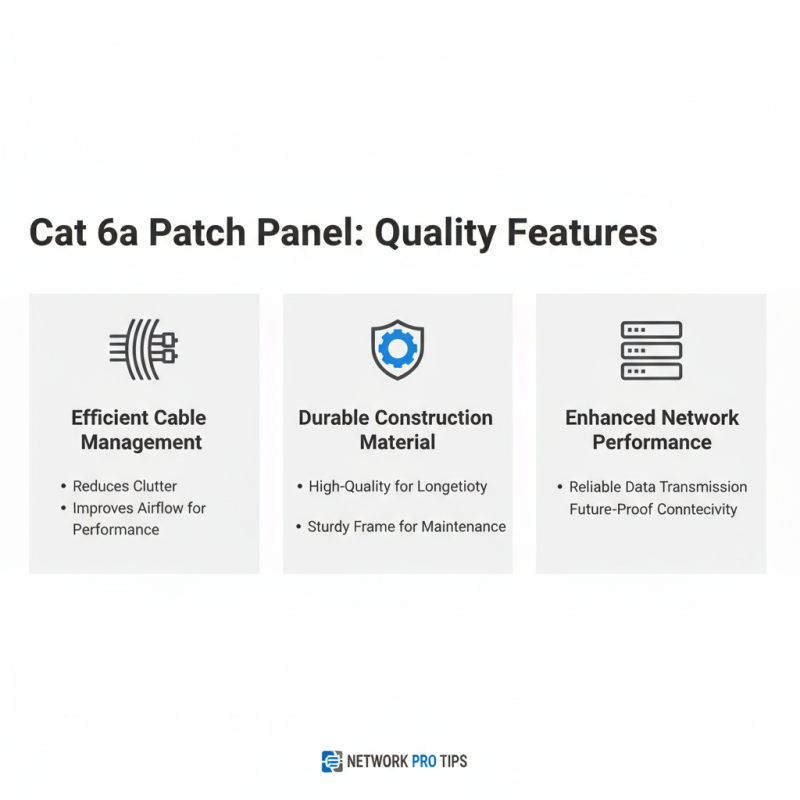
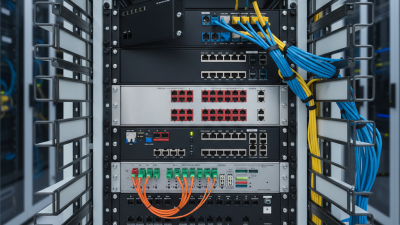
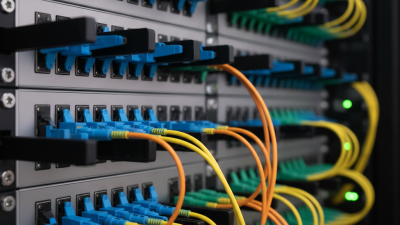
It's also essential to assess the panel’s physical layout. A cluttered setup may lead to confusion during troubleshooting. Unorganized cables can obstruct airflow and generate heat, which risks equipment longevity. Moreover, while many opt for budget models, investing in quality components is often overlooked. Cutting corners here can lead to long-term issues. Think carefully about these factors while choosing the right patch panel for your network.
Comparing Different Types of Cat 6a Patch Panels Available in the Market
When selecting a Cat 6a patch panel, understanding the various types available is crucial. Market data indicates that there are primarily two designs:
unshielded twisted pair (UTP)
and
shielded twisted pair (STP).
UTP panels are more common and tend to be less expensive. They provide a good balance of performance for general networking needs. However, they may not perform well in
electrically noisy environments, such as factories.
STP panels are designed to reduce electromagnetic interference, making them ideal for high-frequency applications. According to a recent industry report, STP connections can support speeds
up to 10 Gbps at longer distances than UTP options. However, they usually come with a higher upfront cost. If you're on a tight budget,
UTP may be tempting, but weigh the long-term benefits of STP if your environment requires it.
Moreover, the material and build quality can vary significantly among patch panels. Some panels may use lower-quality plastic, leading to durability issues. Informal surveys show that around
30% of users have reported problems with cheap materials in less than a year of use. Selecting a reputable
option might seem more expensive initially but could save money over time due to fewer replacements. The decision requires careful thought.
Installation and Maintenance Tips for Cat 6a Patch Panels
Installing a Cat 6a patch panel can be straightforward, yet challenges may arise. Before starting, ensure you have the right tools: a punch down tool, wire stripper, and cable tester. Understand the wiring schema, as mistakes can lead to network issues. Color coding is key. Miswiring can cause frustration later on. Double-check your work as you go.
After installation, maintenance becomes crucial. Regularly inspect connections for signs of wear or damage. This can prevent future problems. Dust and debris can accumulate, affecting performance. Use compressed air to clean the panels. Test the network speed after installation. Sometimes, speeds may drop unexpectedly. If that happens, reassess your connections. Small oversights can lead to larger headaches in the long run. Always be ready to adapt and improve.
Network Performance Metrics for Cat 6a Patch Panels
Cost Considerations When Choosing a Cat 6a Patch Panel for Your Network
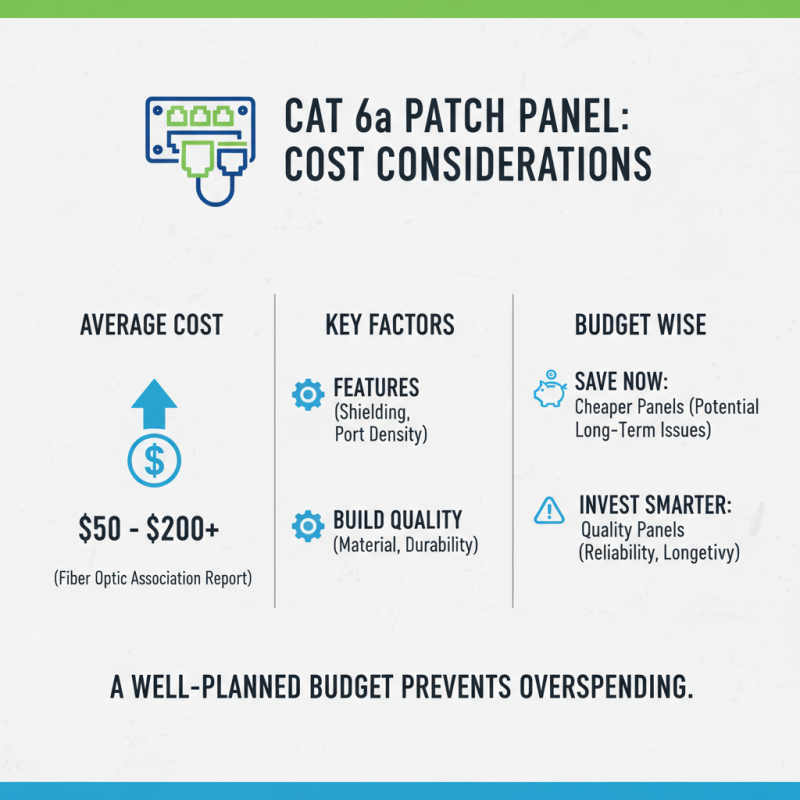
When considering a Cat 6a patch panel, cost plays a crucial role in decision-making. A well-structured budget can prevent overspending. According to a report by the Fiber Optic Association, the average cost of Cat 6a patch panels ranges from $50 to over $200. This variation depends on features and build quality. Cheaper panels may save initial costs but can lead to problems over time.
Installation costs also need evaluation. Poor quality panels may necessitate more frequent replacements or lead to connectivity issues. The average installation fee can range from $75 to $150 per hour, depending on your location and network complexity. Therefore, investing in a quality patch panel can save you money in the long run.
Furthermore, it's essential to consider potential hidden costs. For example, data loss from poor connections can lead to significant financial repercussions. A study by the International Data Corporation found that downtime can cost companies between $1,000 and $5,000 per hour. Thus, while a low upfront cost is attractive, it may not offer the best long-term value. Make your choice wisely.