How to Choose the Best Ground Rod Copper for Your Needs?
When selecting the best Ground Rod Copper for your needs, it’s crucial to consider several key factors. Industry expert John Smith, a senior electrical engineer with over 20 years of experience, once stated, “Choosing the right copper grounding rod can significantly enhance the safety and efficiency of your electrical system.” This highlights the importance of understanding the specifications that make up a reliable Ground Rod Copper.
Copper grounding rods serve an essential role in electrical systems. They safely direct excess electricity into the ground, protecting both people and equipment. However, not all copper rods are created equal. It’s imperative to evaluate aspects such as rod length, diameter, and conductivity. These elements can impact the effectiveness of the grounding system. It’s easy to overlook the long-term benefits of using quality materials, which might lead to costly mistakes.
Many individuals may feel overwhelmed by the options on the market. Inadequate research often results in choosing the wrong equipment. This can ultimately compromise safety and performance. Taking the time to understand what defines reliable Ground Rod Copper can drive informed decisions. Engaging with industry standards and comparing various products should be part of the evaluation process. Your choice today will affect your system for years to come.
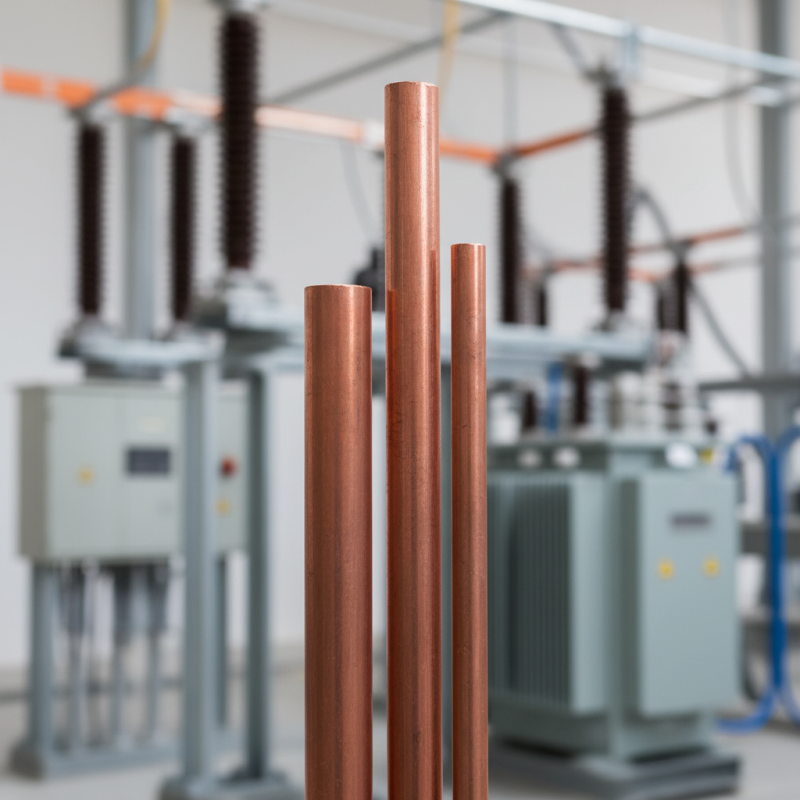
Understanding the Importance of Ground Rods in Electrical Systems
Ground rods are essential components of electrical systems. They ensure safety by providing a path for electric current to dissipate into the ground. This prevents equipment damage and reduces risks of electric shock. Proper grounding is vital for any electrical installation. It protects both users and devices from electrical faults.
Choosing the right ground rod copper involves understanding its composition. Copper rods offer better conductivity than steel, making them a preferred option. However, corrosion can be an issue. Environmental conditions may affect the longevity of the rods. Soil composition and moisture levels play a significant role in their performance.
Many overlook the importance of regular maintenance. Checking for corrosion and ensuring connections are tight can enhance the effectiveness of grounding. When ground rods are neglected, their reliability diminishes. This can lead to potential hazards and costly repairs. It’s crucial to remain vigilant and proactive. Making informed choices about ground rods can significantly boost electrical safety.
Types of Copper Ground Rods Available in the Market
When selecting a copper ground rod, understanding the types available can help streamline your decision. Copper ground rods come in various grades and sizes, ensuring you can find one that fits your specific requirements. Solid Copper Rods are common, known for their durability and excellent conductivity. They can withstand harsh weather conditions, making them ideal for outdoor installations.
Another option is copper-clad ground rods. These rods have a steel core coated with copper. They are often lighter and easier to install while still providing good conductivity. However, some users might find that copper-clad rods do not last as long as solid copper rods. Another point to consider is the length of the rod. Standard lengths range from 8 to 10 feet. Longer rods might be necessary for specific soil conditions, especially in areas with high resistance.
It’s crucial to assess your grounding needs based on local soil resistivity and installation requirements. Improper grounding can lead to safety hazards. Reflect on the environment where the rod will be installed. Factors such as moisture levels and soil type can affect performance. Taking these details into account will help you make a more informed choice.
Comparison of Different Types of Copper Ground Rods
Factors to Consider When Choosing Copper Ground Rods
When choosing copper ground rods, several essential factors come into play. One of the most significant is the rod's diameter. Thicker rods tend to have better conductivity and corrosion resistance. However, they can be heavier and more challenging to install. Consider the installation site as well. Soil conditions greatly impact the grounding effectiveness. Sandy or rocky soil may require deeper installation for optimal performance.
Another critical aspect is the length of the ground rod. Longer rods usually provide better grounding, especially in areas with high soil resistivity. Ensure that the selected length meets local codes and standards. Additionally, think about the environmental factors. Exposure to moisture and chemicals can lead to accelerated wear. This may affect the longevity of the ground rod. It's often useful to consult local guidelines to align your choice with regional conditions.
Finally, consider the cost. While copper may be more expensive than other materials, its durability often justifies the investment. Balancing quality and price is crucial. Don't overlook installation techniques, as improper installation can lead to ineffective grounding. Reflect on your specific needs carefully before making a decision.
Installation Process and Best Practices for Ground Rods
When installing a ground rod, choosing the right location is crucial. The rod should be driven into the earth at least eight feet deep. This depth helps ensure better conductivity and grounding effectiveness. Select a spot away from underground utilities. This requires careful planning and utility marking.
The installation process begins with clearing the area around the chosen site. Use a digger or a hammer drill to create a hole for the rod. Make sure the rod is vertical. This will improve grounding performance. After inserting the rod, connect a grounding wire securely to it. It’s critical to use proper connectors to prevent corrosion over time. Visual checks can reveal issues, such as loose connections.
Understanding soil conditions can also influence installation. Sandy soil might require longer rods, while rocky or clay soil poses challenges. Ground resistance testing may be needed to ensure effectiveness. This step often gets overlooked, but it’s important for overall safety. Installation should not be rushed. Each phase needs to be done carefully to ensure reliability.
How to Choose the Best Ground Rod Copper for Your Needs? - Installation Process and Best Practices for Ground Rods
| Feature | Description | Best Practices |
| Material | Copper-coated steel rods are common due to their durability. | Choose rods with a minimum of 10 mils of copper for optimal performance. |
| Diameter | Typically range from 5/8" to 3/4". | Select diameter based on soil conditions and electrical requirements. |
| Length | Common lengths are 8 ft and 10 ft. | Choose length to ensure adequate grounding based on local codes. |
| Installation | Requires a hammer or driving tool for installation. | Make sure to drive the rod vertically into the ground, avoiding rocks. |
| Maintenance | Routine inspections for corrosion and connection integrity. | Ensure all connections are secure and consider re-torquing annually. |
Maintenance Tips for Copper Ground Rods to Ensure Longevity
Copper ground rods are vital for safe electrical grounding. Choosing the right copper rod involves considering purity and conductivity standards. Industry reports indicate that copper with at least 99.9% purity offers optimal resistance to corrosion, which is crucial for long-term reliability. However, copper alone does not guarantee durability.
Maintenance matters greatly for longevity. Experts from electrical safety associations recommend regular inspection every six months. Look for signs of oxidation and loose connections, as these can increase electrical resistance. Neglecting simple upkeep may reduce the rod’s effectiveness faster than expected.
Tips: Apply anti-corrosion coatings to exposed surfaces annually. Use a digital earth tester to monitor resistance levels. Replace rods showing persistent rust beyond superficial layers. While copper is robust, environmental factors like soil acidity challenge its lifespan. This reality calls for more diligent care routines than many anticipate.