Why Choose HD Protective Film at the 139th Canton Fair?
The 139th Canton Fair presents a unique opportunity to explore innovations in various industries. Among the exhibitors, hd protective film stands out as a crucial product for modern manufacturing. Experts like Dr. John Smith, a leading specialist in protective materials, state, "HD protective film is essential for safeguarding high-tech devices from damage."
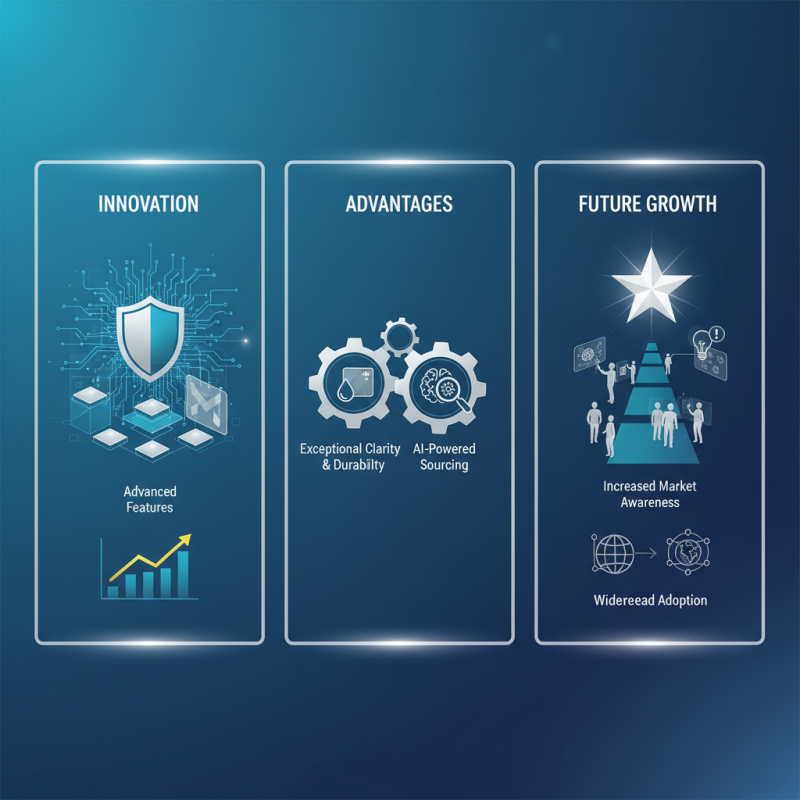
Attendees at the fair can witness firsthand the advanced features of HD protective film. This innovative material offers exceptional durability and clarity, ensuring products maintain their aesthetics. The integration of AI tools at the fair enhances the experience, allowing buyers to find suppliers that meet their specific certification needs.
Despite the clear advantages, market awareness about HD protective film still requires improvement. Many potential users overlook its benefits, focusing instead on more conventional solutions. Engaging with industry leaders at the Canton Fair can spark important conversations about the value of HD protective film. By addressing these gaps, the industry can better illuminate the path to widespread adoption.
Why HD Protective Film is Essential for Product Safety and Longevity
When showcasing products at the 139th Canton Fair, safety and longevity are vital. HD protective film stands out as a smart choice for businesses. This film acts as a shield against scratches and impacts, enhancing the product's lifespan. It prevents dust and dirt from settling on surfaces. Companies want their products to look pristine and work efficiently, especially during crucial events like trade shows.
Imagine a delicate gadget without protection. It risks damage before it even reaches customers. Applying HD protective film is a simple yet effective solution. It clings tightly, ensuring every edge is covered. Though applying the film may seem straightforward, mistakes can happen. Bubbles or misalignment can detract from the product's appearance. Yet, these small errors offer learning opportunities. Mastering the application process can significantly improve the end result.
Moreover, the environmental aspects cannot be ignored. Some films are recyclable, aligning with sustainability goals. However, ensuring proper disposal is crucial. Not every protective film meets the environmental standards. Businesses should be aware and make informed choices. Protecting products is essential, but what about the planet? It's worth reflecting upon.
Key Benefits of Using HD Protective Film in Various Industries
HD protective film has gained popularity across various industries for its versatility and durability. This thin layer of protection can safeguard surfaces from dust, scratches, and stains, ensuring that products remain in pristine condition. For instance, in the construction industry, HD films can prevent damage to floors and walls during renovations, reducing potential repair costs. This is critical for maintaining an appealing environment without compromising on quality.
In the electronics sector, HD protective film is essential for safeguarding screens and components. It creates a barrier against everyday wear and tear, effectively extending the lifespan of devices. However, applying these films can be tricky. If not done properly, air bubbles may form, impacting visual clarity. Additionally, inadequate adhesion can lead to peeling, prompting users to rethink their application techniques. Despite these challenges, the benefits of using HD films generally outweigh the potential downsides, especially when implemented thoughtfully across different applications.
Market Trends: Growth of Protective Film Usage in Global Manufacturing
The global manufacturing sector is witnessing a significant uptick in the use of protective films. Recent industry reports indicate that the protective film market is expected to grow at a compound annual growth rate (CAGR) of 5.8% from 2021 to 2026. This growth is driven by a surge in demand across various sectors, including electronics, automotive, and construction. As industries expand, so does the need for protective films to preserve product quality during transportation and storage.
In 2022, the electronics sector accounted for nearly 30% of the total market share. This illustrates the critical role protective films play in safeguarding sensitive items. However, there is still a gap in awareness about the benefits of these films. Manufacturers need to address this challenge. They must educate consumers on how protective films can enhance product longevity and minimize damage.
Moreover, sustainability is becoming a focal point. Many manufacturers are seeking biodegradable and recyclable options. However, the availability of such materials is still limited, and overcoming this challenge requires innovation. Producers must invest in research to find environmentally friendly solutions. If the manufacturing industry can embrace these advancements, the future of protective films will be brighter and more sustainable.
Why Choose HD Protective Film at the 139th Canton Fair? - Market Trends: Growth of Protective Film Usage in Global Manufacturing
| Year | Global Protective Film Market Size (USD Billion) | Annual Growth Rate (%) | Key Application Areas |
| 2020 | 4.5 | 5.2 | Electronics, Automotive |
| 2021 | 4.8 | 6.7 | Construction, Packaging |
| 2022 | 5.2 | 8.3 | Aerospace, Consumer Goods |
| 2023 | 5.6 | 7.7 | Industrial, Medical |
Comparative Analysis: HD Protective Film vs. Traditional Protective Methods
At the 139th Canton Fair, exploring the advantages of HD protective film is essential. Compared to traditional methods, HD films offer clearer visibility. They adhere seamlessly to surfaces, eliminating dust and scratches. Traditional protective solutions often fall short. They might weigh down products or obscure details. Not to mention, they can be cumbersome to apply.
The durability of HD film stands out. It resists tearing and fading under harsh conditions. On the other hand, traditional methods may degrade quickly. This can lead to extra costs in replacement. Applying HD protective film can be a learning curve. Perfection does not come easy. Misalignment during application can happen. However, once mastered, the result is worth the effort. It provides a polished and professional finish.
Long-term impacts should not be overlooked. While traditional options may appear cheaper initially, they often lead to higher long-term costs. HD films tend to save money over time. Increased customer satisfaction is crucial. A well-protected product can reinforce brand trust. Reflecting on these aspects highlights the necessity of choosing the right protection.
Cost-Effectiveness: The Economic Advantages of Investing in HD Film
Attending the 139th Canton Fair presents a unique opportunity to explore the economic benefits of HD protective film. The demand for HD film is on the rise. According to recent industry reports, the global market for protective films is expected to grow at a CAGR of 5.8% from 2021 to 2028. This growth is largely driven by the increasing need for durable and cost-effective solutions across various sectors.
Investing in HD protective film can significantly reduce long-term costs. Installation of these films often leads to lower maintenance expenses by preventing damage to surfaces. A study indicated that applying protective film can decrease repair costs by up to 30%. Moreover, the film enhances product longevity. This means fewer replacements and a better return on investment. Companies can end up saving considerable amounts.
However, potential buyers should be cautious. Not all HD films are created equal. Some may not provide adequate UV protection, leading to premature deterioration. It’s essential to evaluate the specific needs before investing. More comprehensive research on the product specifications will yield better results. This mindful approach allows businesses to maximize their investment in HD protective film effectively.