2026 How to Choose the Best Networking Solutions for Your Business?
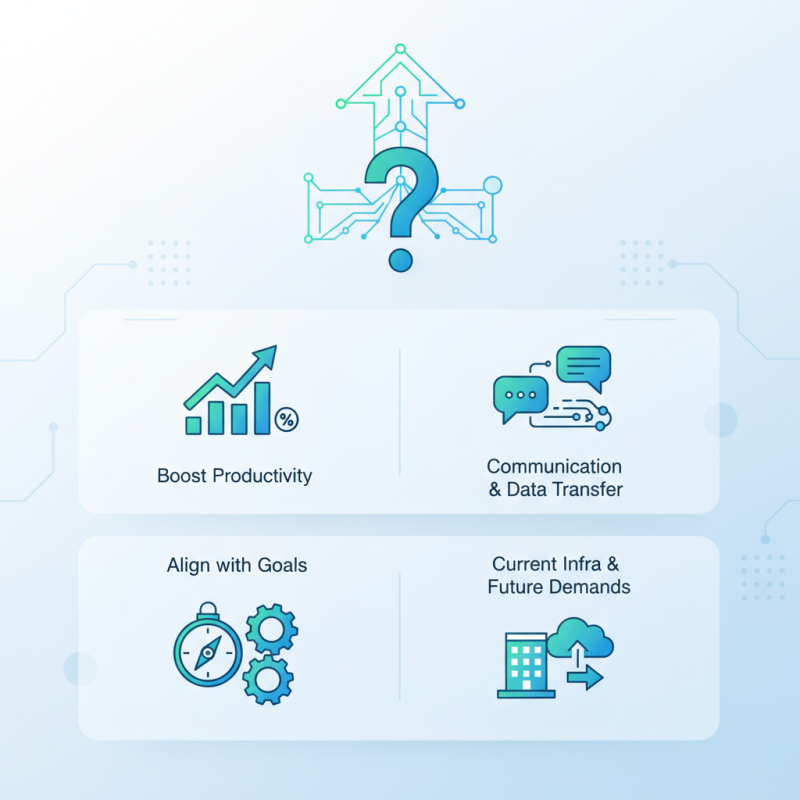
In today's digital landscape, selecting the best networking solutions is crucial for business success. According to a recent report from Gartner, effective networking solutions can boost productivity by 25%. Companies face challenges in choosing the right technology. Many solutions promise efficiency but may not deliver.
The right networking solutions enhance communication and data transfer within organizations. Yet, businesses often overlook their unique needs. A study by Cisco indicates that 70% of companies struggle with networking technology aligning with their strategic goals. This disconnect can lead to wasted resources and lost opportunities.
Ultimately, understanding the market and assessing specific requirements is vital. Many organizations find themselves investing in popular solutions without adequate research. This approach may not always yield the best results. Businesses need to reflect on their current infrastructure and future demands to make an informed decision. The right choice can transform operations and drive growth.
Understanding Your Business Networking Needs
Choosing the right networking solution for your business begins with understanding your specific needs. Research shows that over 70% of organizations struggle with network-related issues. These problems can hinder collaboration, productivity, and growth. Identifying what you require from your network is essential. Are you focusing on speed, reliability, or scalability? Consider how each aspect can impact your operations.
Tip: Assess your current bandwidth usage. This can help you determine if you need to upgrade your network. Many businesses fail to monitor this, leading to outdated solutions. A survey indicated that 65% of small businesses do not have a proper assessment method for their networking needs. This lack often results in unnecessary spending on excessive capacity or, conversely, inadequate resources.
Explore the types of connections ideal for your setup. Wired connections often offer reliability. In contrast, wireless solutions provide flexibility. However, relying solely on one type can lead to vulnerabilities. In fact, 58% of companies experience network downtime annually. Understanding these dynamics empowers you to tailor a networking solution that meets both current demands and future growth.
Evaluating Different Types of Networking Solutions
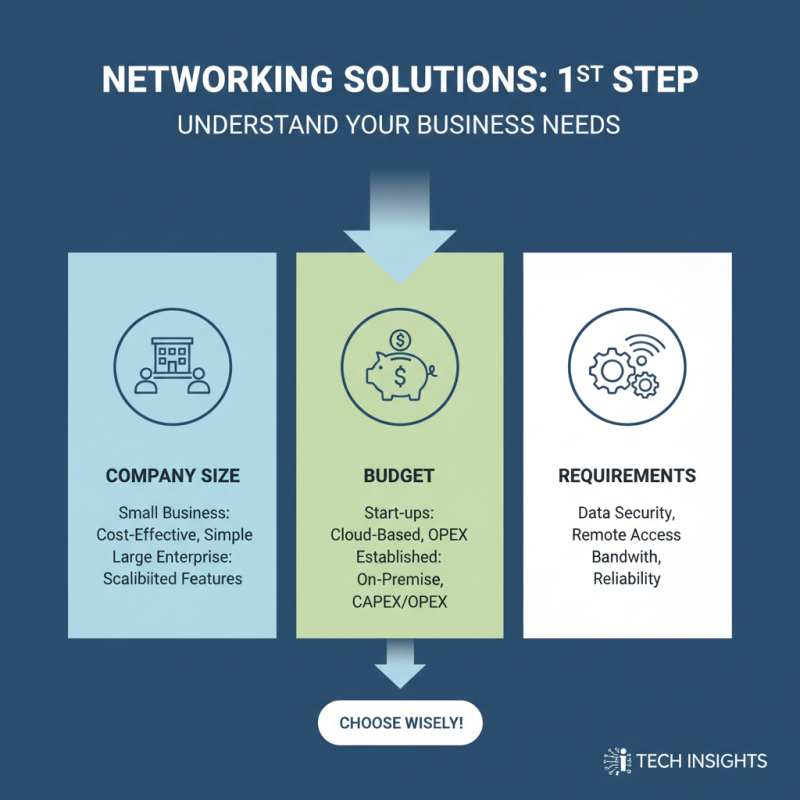
When evaluating different types of networking solutions, the first step is understanding your business needs. Not all solutions fit every organization. Consider your company size, budget, and specific requirements. For instance, small businesses might prefer cost-effective solutions. Larger firms might need advanced systems for scalability.
Wireless networking offers flexibility, but it can come with vulnerabilities. Wired options provide stronger security, yet they limit mobility. It's essential to weigh these pros and cons carefully. Assess how each type aligns with your operational goals. Sometimes, the ideal solution might be a hybrid model. This blend can maximize benefits while mitigating risks.
Don't overlook future growth. The best networking solutions should adapt over time. It’s vital to think ahead. Will the system evolve as your business expands? This question often goes unanswered. Regularly revisiting your network setup is not a luxury; it’s a necessity. Feel free to reach out for advice, and remember, no solution is perfect. Each comes with its own challenges to reflect upon.
Factors to Consider When Selecting Networking Hardware
When choosing networking hardware, several factors come into play. First, you need to evaluate your business size and needs. According to a report from the International Data Corporation, about 70% of businesses struggle with inadequate network capacity. This means selecting hardware that can scale with your growth is essential. Bandwidth requirements must also be assessed. Cloud adoption has increased dramatically, impacting network performance needs.
Another critical factor is the hardware's compatibility. Make sure new solutions integrate smoothly with existing systems. A recent survey found that 40% of companies face integration challenges when updating their network infrastructure. It's important to consider future upgrades as well. If your hardware can’t accommodate new technologies, it may become obsolete quickly.
Security is a growing concern, especially with cyber threats on the rise. Research by Cybersecurity Ventures suggests that cybercrime damages could cost the world $10.5 trillion annually by 2025. Investing in hardware with strong security features is not optional. Look for solutions that offer advanced threat detection and compliance with industry standards. This will help protect your data while ensuring you meet regulatory requirements.
2026 How to Choose the Best Networking Solutions for Your Business?
Assessing the Importance of Network Security Features
Choosing the right networking solutions involves several critical factors. Among these, network security features are paramount. As businesses become more interconnected, protecting sensitive data becomes essential. A robust network security system helps safeguard against cyber threats and data breaches.
Implementing firewalls and intrusion detection systems is vital. These tools can monitor traffic and identify potential threats. However, not all businesses prioritize these aspects, often due to budget constraints. Some may overlook the need for employee training on security protocols. This can lead to vulnerabilities that attackers exploit.
Encryption is another crucial security feature. It protects data in transit and at rest. Many businesses fail to implement comprehensive encryption policies. This oversight can have serious consequences. Organizations should analyze their current security measures and identify gaps. Regular assessments can reveal weaknesses in their network infrastructure. Addressing these issues is a vital part of a strong security strategy.
2026 How to Choose the Best Networking Solutions for Your Business? - Assessing the Importance of Network Security Features
| Feature |
Description |
Importance Rating (1-5) |
Deployment Complexity |
Cost Estimate (Annual) |
| Firewall Protection |
Controls incoming and outgoing network traffic based on security rules. |
5 |
Medium |
$1,200 |
| Intrusion Detection Systems (IDS) |
Monitors network traffic for suspicious activity and alerts administrators. |
4 |
High |
$2,500 |
| Encryption |
Converts data into a code to prevent unauthorized access during transmission. |
5 |
Low |
$800 |
| VPN Services |
Creates a secure connection over a less secure network. |
5 |
Medium |
$600 |
| Network Monitoring Tools |
Tracks and analyzes the performance of the network. |
4 |
Medium |
$1,000 |
Comparing Costs and ROI of Networking Solutions
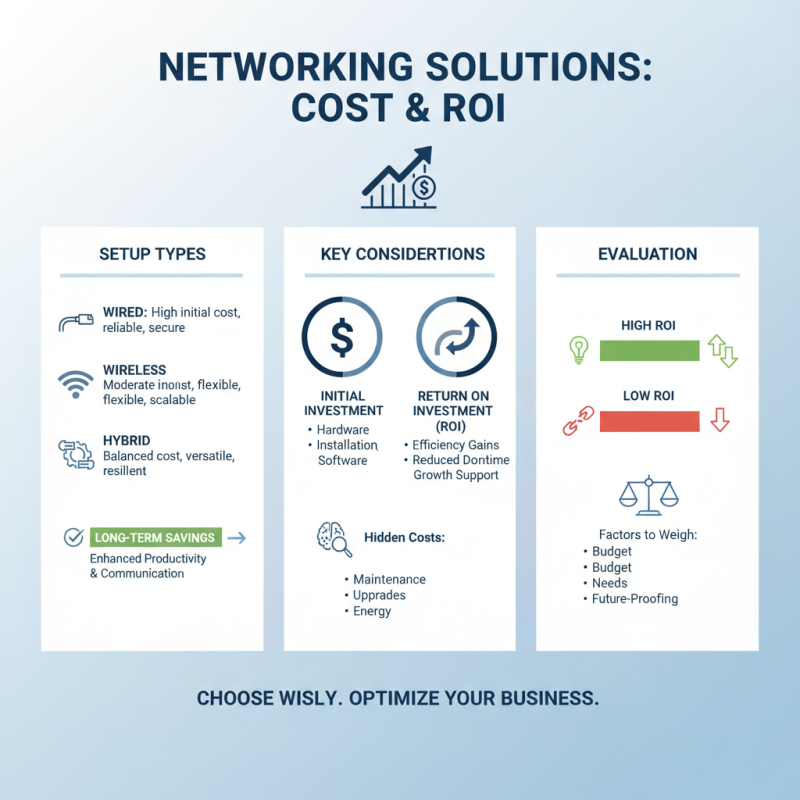
When evaluating networking solutions, costs and return on investment (ROI) are crucial factors to consider. Different types of setups—wired, wireless, or hybrid—carry varying expenses. The initial investment may be steep, but consider the long-term savings. For instance, a business with robust networking can facilitate smoother communication and enhance productivity. However, hidden costs may arise from maintenance or upgrades.
Analyzing ROI involves more than just evaluating direct savings. Assess how a reliable network impacts customer satisfaction. A fast, stable connection can significantly enhance user experience. Yet, what if those costs outweigh benefits? Sometimes, businesses rush into decisions without full analysis. Taking time to reflect on needs may lead to a better choice. Consider trial phases or pilot programs to measure effectiveness before committing. This might reveal gaps and areas for improvement.
Ultimately, understanding the true costs and potential returns landscape is vital. Run analyses, engage the team, and simulate different scenarios. Each situation is unique. A one-size-fits-all approach often disappoints. By carefully weighing options and seeking clarity, you can position your business for success.