How to Choose the Best Air Compressor Drilling Machine?
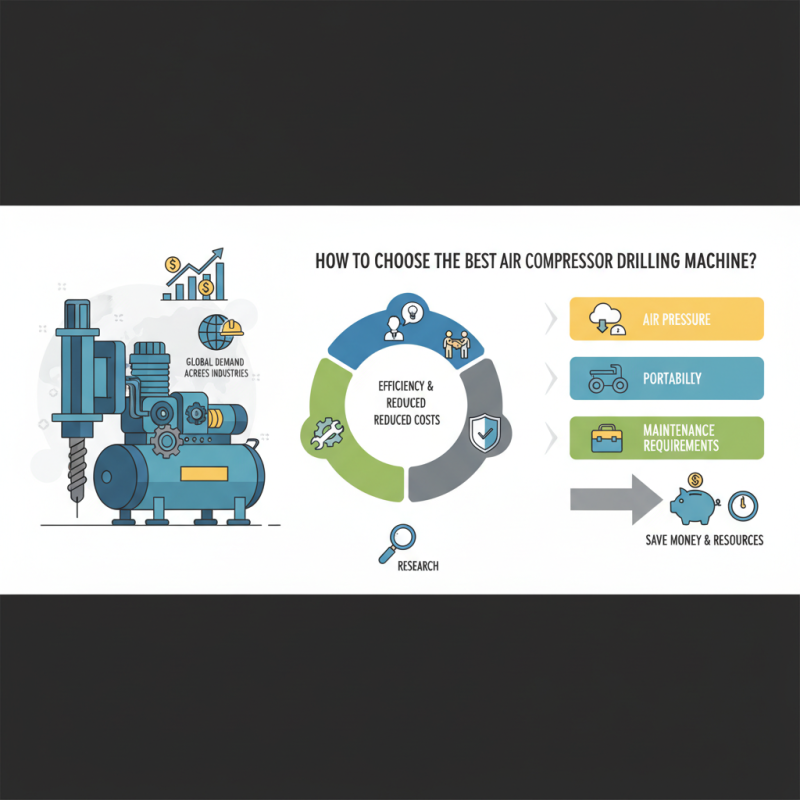
Choosing the right Air Compressor Drilling Machine is crucial for successful drilling operations. According to a market report by Future Market Insights, the global demand for air compressor drilling machines is projected to grow significantly, reaching over $4 billion by 2030. This growth indicates the increasing reliance on these machines across various industries, including construction, oil and gas, and mining.
Expert insights are invaluable in this field. Dr. Amelia Harper, a recognized authority in drilling technology, has stated, "Selecting the right air compressor drilling machine can greatly enhance efficiency and reduce operational costs." Her expertise emphasizes the importance of understanding the specific needs of your project before making a decision. The right machine can impact productivity and safety on the job site.
However, many buyers overlook essential factors, such as air pressure, portability, and maintenance requirements. Doing so can lead to inefficient operations and unexpected costs. It’s imperative to assess both your immediate needs and long-term goals when choosing an Air Compressor Drilling Machine. Investing time in research and expert consultations can ultimately save money and resources in the long run.
Criteria for Evaluating Air Compressor Drilling Machines: Key Features
Choosing the right air compressor drilling machine is crucial for efficiency and performance. When evaluating options, consider key features that define quality and suitability. Power output is a foundational aspect. A higher PSI rating often translates to better performance in tough conditions. However, a balance is necessary. Overpowered machines can be cumbersome and inefficient for smaller tasks.
Another critical feature is portability. A lightweight design may enhance mobility, but it should not compromise durability. Look for machines that offer robust construction alongside ease of transport. Noise level is often overlooked. A quieter model can significantly improve work conditions, especially in residential areas. It's important to reflect on how these features align with your specific needs and work environments.
Additionally, warranty and customer service often reflect a manufacturer's confidence in their product. A strong warranty suggests long-term reliability and support. While some machines may shine in specifications, the real-world performance can differ. Evaluating customer reviews can provide insights into potential problems or shortcomings. Each decision holds significance, and careful reflection on these criteria is essential for making an informed choice.
Understanding Air Compressor Types: Piston vs. Rotary Screw Models
When selecting an air compressor drilling machine, understanding the types is crucial. Piston compressors operate through a reciprocating mechanism. They draw in air and compress it with a piston. This process creates high pressure, making them ideal for tasks demanding significant force. Many professionals appreciate their efficiency for short, intensive jobs. However, they can be noisy. Maintenance can be more frequent compared to other models.
On the other hand, Rotary screw compressors offer a different approach. They continuously compress air through two interlocking screws, delivering a steady air supply. This makes them suitable for prolonged operations. Users enjoy lower noise levels with these models. Yet, they come with a higher initial investment. It's essential to weigh these factors based on your specific drilling needs. You might find the right balance between power and efficiency with the correct model. Evaluating your work environment can guide your choice. The decision isn't just about power; it's about adaptability too.
Assessing Horsepower and Pressure Ratings for Optimal Performance
When choosing an air compressor drilling machine, understanding horsepower and pressure ratings is crucial. Horsepower indicates the machine's power, impacting efficiency and speed. A higher horsepower typically means faster drilling. However, balancing horsepower with your tasks is vital. Overly high power can lead to wasted energy and increased costs.
Pressure ratings are equally important. They determine how effectively the machine can penetrate various materials. A pressure rating that is too low may lead to unsatisfactory results. Consider the materials you'll be drilling through when assessing these ratings. Proper alignment between horsepower and pressure ensures optimal performance, reducing wear and tear on the equipment.
While making these assessments, reflect on your typical drilling projects. Are your needs consistent, or do they vary? Think about your budget versus features. An air compressor with excessive horsepower might seem appealing but could stretch your finances. Balancing power, efficiency, and cost is a challenging yet necessary task for any buyer.
How to Choose the Best Air Compressor Drilling Machine? - Assessing Horsepower and Pressure Ratings for Optimal Performance
| Horsepower (HP) | Pressure Rating (PSI) | Flow Rate (CFM) | Tank Size (Gallons) | Weight (lbs) |
| 2.0 | 90 | 4.0 | 4 | 70 |
| 3.0 | 120 | 5.5 | 8 | 90 |
| 4.0 | 150 | 6.5 | 15 | 110 |
| 5.0 | 175 | 7.0 | 20 | 130 |
Importance of Tank Size and CFM Ratings in Drilling Applications
When selecting an air compressor drilling machine, understanding tank size and CFM ratings is crucial. Tank size significantly impacts the machine's performance during drilling applications. A larger tank can store more compressed air, providing a steady supply for extended periods. This is essential for tasks that require consistent air delivery, such as powering pneumatic tools or completing lengthy drilling projects.
CFM, or cubic feet per minute, measures the airflow the compressor can deliver. Most drilling applications require a specific CFM rating to function efficiently. According to a report by the Industrial Air Technology Association, typical air-powered drills operate best at 4 to 6 CFM. If the compressor cannot meet this demand, performance will suffer. Inadequate air supply can lead to slower drilling speeds and increased wear on tools.
Moreover, in-depth analysis reveals that a mismatch between tank size and CFM can result in operational inefficiencies. Many professionals overlook tank size, assuming that a small tank is sufficient for lighter tasks. However, this assumption can lead to downtime and frustration. Understanding the balance between tank size and CFM can ensure optimal performance and prolonged equipment life in various drilling environments.
Evaluating Durability and Maintenance Needs for Long-Term Use
When evaluating air compressor drilling machines, durability is key. A robust machine withstands heavy use, reducing downtime. Look for models that feature high-quality materials. Metal frames often offer better longevity compared to plastic. Regular inspections of components can help you identify potential issues early.
Maintenance needs play a crucial role in long-term use. A machine that's easy to maintain saves time and money. Ensure parts are accessible for cleaning and replacing. Additionally, check the manual for recommended maintenance schedules. Following these can prolong the machine's lifespan.
Tips: Always keep spare parts available. This can minimize disruption during projects. Performing routine maintenance checks can help prevent unexpected breakdowns. Stay informed about common issues associated with your model. This knowledge allows proactive measures, enhancing the overall reliability of your drilling machine.