How to Choose the Best Fiber Optic Patch Cord for Your Needs?
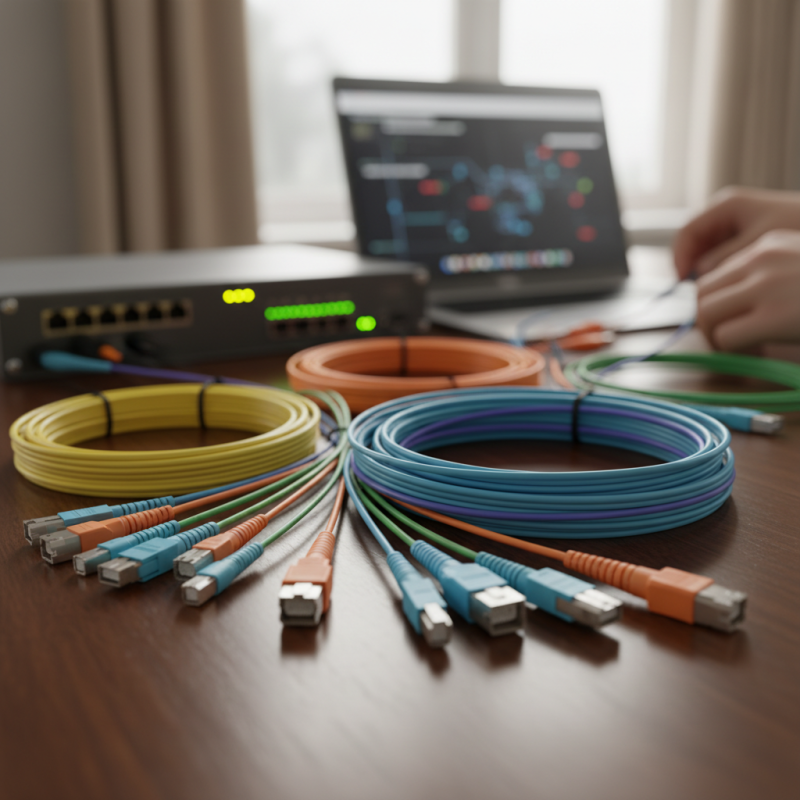
Choosing the right fiber optic patch cord is crucial for ensuring optimal performance in your network. The market offers various types, each designed for specific applications. A fiber optic patch cord connects different devices, facilitating data transmission over long distances.
When selecting a patch cord, consider factors like length, connector type, and fiber type. Not all patch cords are created equal. Opting for low-quality cords can lead to signal loss and connectivity issues. It's essential to understand your specific needs to avoid unnecessary complications.
Moreover, reflect on your experience with fiber optic products. A patch cord that works well for one application may not suit another. Research and consult experts when in doubt. This meticulous approach can save you time and resources in the long run.
Understanding Fiber Optic Patch Cords and Their Importance
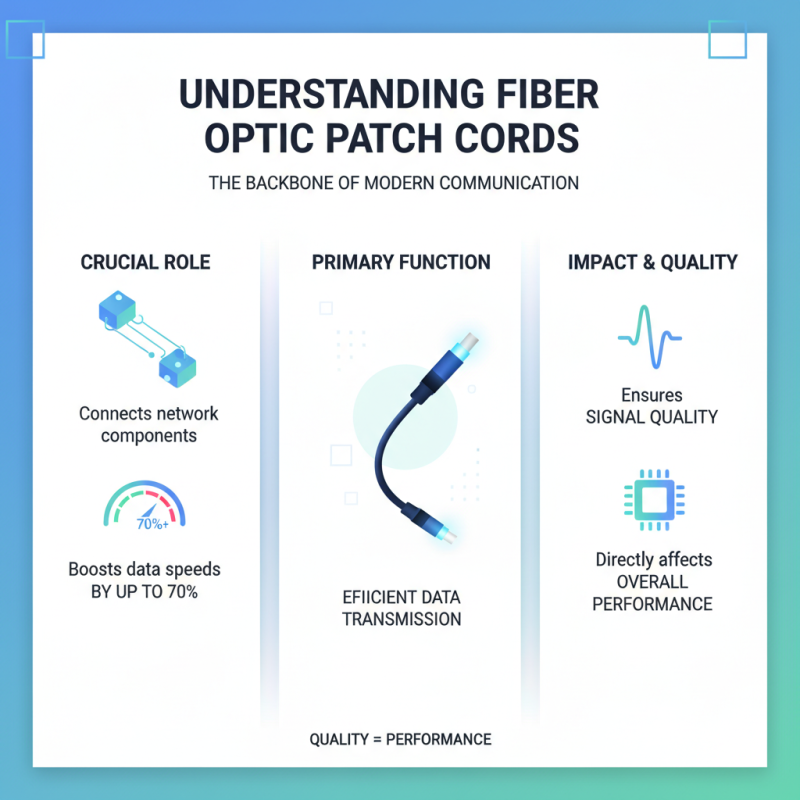
Fiber optic patch cords play a crucial role in modern communication systems. Their primary function is to connect different components within a fiber optic network, ensuring efficient data transmission. Research shows that a well-designed fiber optic network can increase data transmission speeds by up to 70%. The quality of patch cords directly affects signal quality, impacting overall performance.
When selecting fiber optic patch cords, consider compatibility and performance specifications. Different types of connectors may fit into various devices. The National Institute of Standards and Technology notes that using compatible patch cords can minimize signal loss significantly, sometimes by as much as 0.3 dB. Quality materials and manufacturing processes are vital too. Cheaper cords may not withstand environmental conditions, leading to potential failures.
Tips: Always verify the fiber type and connector style. Consider cord length carefully; overly long cables can cause signal degradation. Focus on durability and performance standards when evaluating options. Regular testing of network components helps identify issues early on. Prioritize reliability in your choices to optimize network performance.
Identifying Your Specific Networking Requirements
When selecting a fiber optic patch cord, understanding your specific networking needs is crucial. Start by assessing the required bandwidth. Different applications require varying data speeds. For basic tasks, a simple patch cord may suffice. However, for high-performance networks, choose cables that support higher data rates.
Next, consider the length of the cable. Shorter patches often maintain signal integrity better than longer ones. If your setup needs flexibility, think about the potential for future expansions. A cord that’s too short may limit your options later. Remember, investing in the right length can save you time and hassle down the road.
Also, pay attention to connector types. Different systems have unique connector requirements. Using the incorrect connector can result in connection issues and hinder network performance. Reflect on your existing equipment and choose accordingly. Taking these details into account will lead you to a more effective choice in fiber optic patch cords.
Evaluating Different Types of Fiber Optic Cables
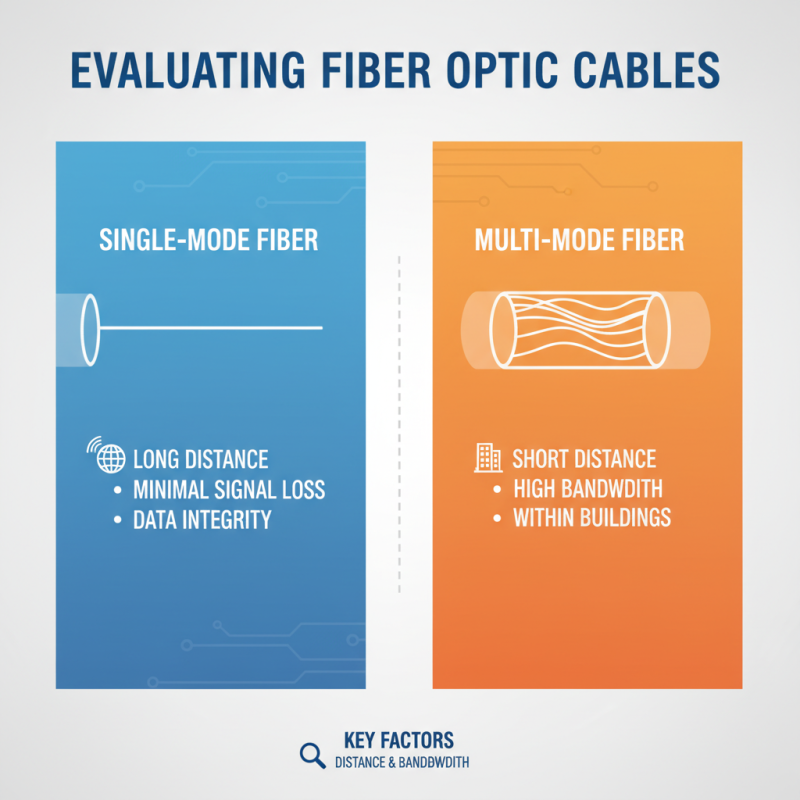
When evaluating different types of fiber optic cables, it’s essential to consider several key factors. Single-mode and multi-mode fibers are the primary categories. Single-mode fibers are typically used for long-distance transmissions. They minimize signal loss, ensuring data integrity over vast distances. Conversely, multi-mode fibers are suitable for shorter distances, often within buildings. They allow for higher bandwidth in these limited areas.
The core size also plays a significant role in performance. Multi-mode fibers have larger cores, allowing more light to enter. This makes installation easier but can lead to greater dispersion. On the other hand, single-mode fibers have much smaller cores. This results in lower latency and better performance for long-range applications.
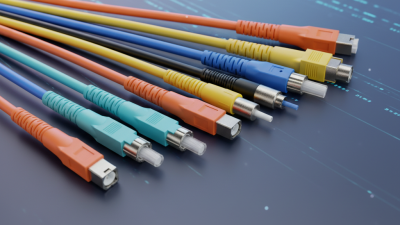
Look into the connector types as well. Common options include SC, LC, and ST connectors. Each has its specific use case and advantages. The choice of connector can impact installation efficiency and future upgrades. However, the variety can be overwhelming, leading to potential confusion. A thoughtful assessment of your specific networking needs will help in making an informed decision.
Choosing the Right Connector Types for Your Patch Cord
When selecting a fiber optic patch cord, the type of connector is crucial. Different connectors serve various purposes and environments. SC, LC, and ST are common options. Each type has unique features that may suit specific installations. For instance, SC connectors are known for their push-pull design, while LC connectors are compact and great for high-density applications. Choosing the wrong one can lead to connectivity issues or even data loss.
Compatibility is another factor to consider. Ensure your connectors match the existing hardware. Mismatched connectors may create a bottleneck in performance and hinder data transfer speeds. Be mindful of the fiber type as well. Single-mode fibers require specific connectors, while multi-mode fibers have another set. Confirming compatibility can save time and resources in the long run.
Understand that choosing a connector is not just about current needs. Consider future expansions as well. Optical networks evolve rapidly, and planning for growth is important. Connectivity standards may change, so investing in versatile connectors can be wise. Keeping everything organized can be challenging, so label cords and connectors clearly. This step can prevent errors and streamline troubleshooting.
Assessing Cable Lengths and Flexibility for Optimal Use
Choosing the right fiber optic patch cord involves careful consideration of cable lengths and flexibility. Length is critical. A longer cable may reduce signal strength. Shorter cables offer a stronger signal but might limit installation options. Think about your setup. Will you need to connect devices across a large room or just a few feet apart? Always measure your space before making a decision.
Flexibility is another key factor. More flexible cables can navigate tight spaces easily. Consider where the cable will be routed. If it bends sharply, a stiffer cable may break or degrade. A high-quality, flexible patch cord can be a valuable asset in managing your installation. However, flexibility can sometimes mean lower durability. It's essential to strike a balance between flexibility and robustness.
Remember, not all cables are created equal. Paying attention to these details can lead to better performance. You might need to test several options to determine what works best for your environment. These decisions can impact your network's effectiveness significantly. Think about the specific needs of your setup. Crafting a reliable connection means understanding how length and flexibility play their parts.