How to Choose the Best Networking Solutions for Your Business Needs?
Choosing the right networking solutions is essential for any business. It impacts productivity, communication, and overall growth. In today’s digital age, businesses must analyze their specific needs to select the best options. With a range of available solutions, narrowing down choices can be overwhelming.
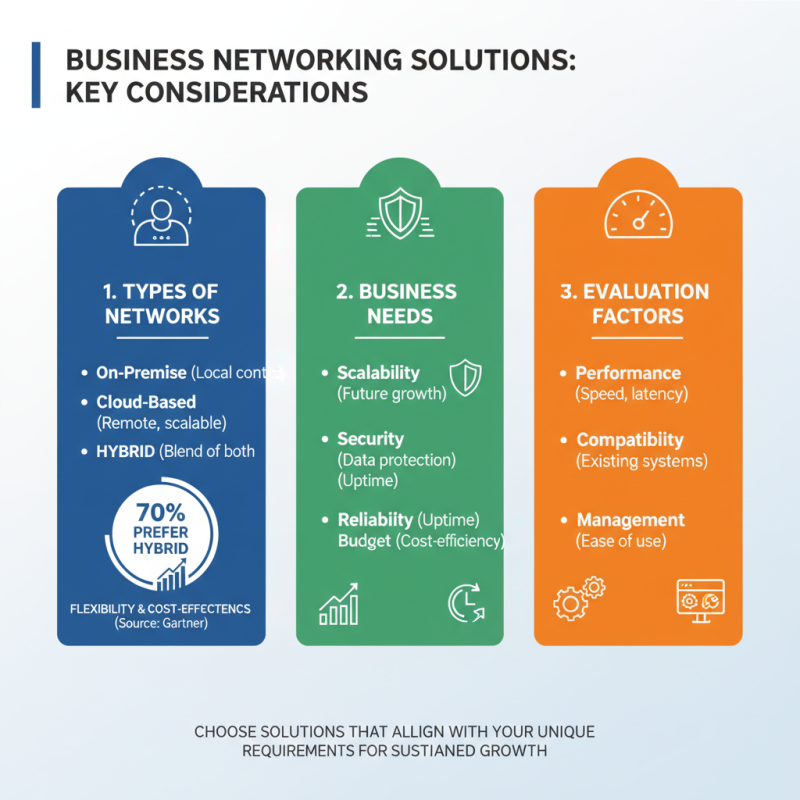
Effective networking solutions vary by industry and company size. Small businesses may require simpler, cost-effective options, while larger enterprises often need robust infrastructure. Companies might struggle with scalability, security, and compatibility. These factors influence the decision-making process.
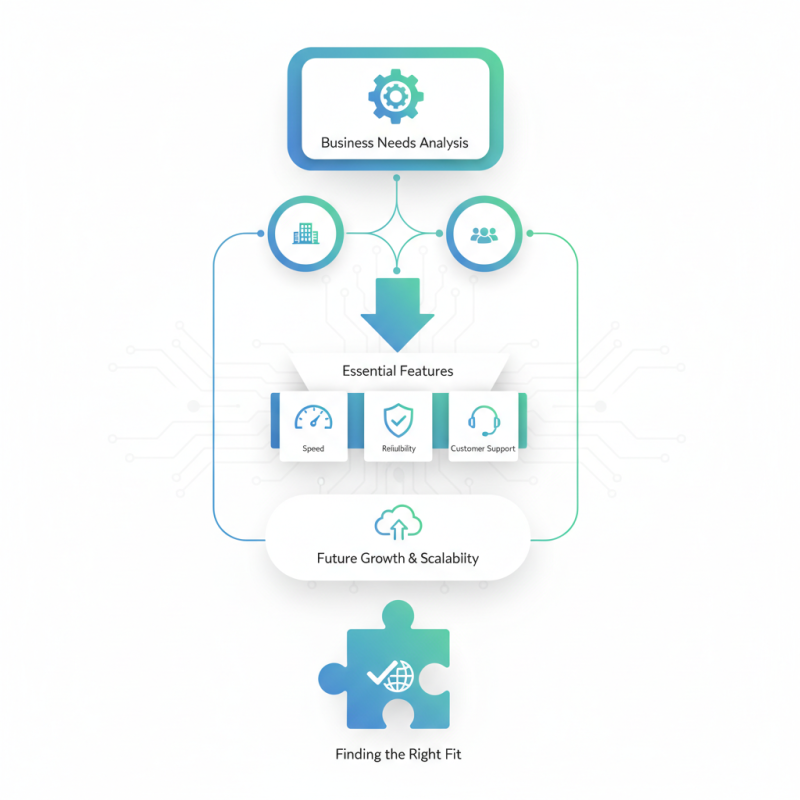
Identifying essential features is critical. Features like speed, reliability, and customer support are pivotal. It's also wise to consider future growth. Networking solutions that adapt to changing demands can save time and money. Reflecting on these elements will help businesses find the right fit.
Understanding Your Business Networking Requirements
When considering networking solutions for a business, it's essential to understand your specific requirements. Each company has unique needs based on its size, operations, and goals. For instance, a startup might prioritize cost-effectiveness, while a larger corporation may need robust security features. Identifying these distinctions is crucial to choosing the right solution.
Tips: Assess your current infrastructure. What works? What doesn’t? This reflection helps avoid unnecessary costs. Engage your team; their input reveals practical needs. Remember that the best solution aligns with future growth. Consider scalability when evaluating options.
One common oversight is underestimating bandwidth. Slow connections frustrate employees and customers. Evaluate your data usage patterns to find your minimum requirements. Poor planning in this area can lead to performance issues.
Tips: Regularly review network performance. Are there frequent slowdowns? This could indicate a need for upgrading your network capabilities. Don't ignore the feedback from your users. They often see problems before management does.
Evaluating Different Types of Networking Solutions
When evaluating networking solutions, businesses must consider various factors to meet their unique needs. Understanding the core types of networking solutions is essential. For example, a survey by Gartner indicates that 70% of organizations prefer hybrid networking models for flexibility and cost-effectiveness. This trend reflects the need for scalable networks that can evolve with growing business demands.
Choosing the right solution often means examining key features. For instance, performance, security, and maintenance capabilities are crucial. A report from IDC shows that companies with robust network security experience 50% fewer security incidents. This highlights the critical need for strong protections within your network infrastructure.
**Tips:** Look for solutions that offer easy integration with existing systems. Ensure that the chosen network can expand as your business grows. Don't overlook customer feedback regarding usability. Balancing cutting-edge technology and practicality may reveal gaps in initial evaluations of potential solutions. Investing in comprehensive planning can lead to better long-term outcomes.
Assessing Scalability and Future Growth Potential
When selecting networking solutions, scalability is crucial for future growth. A flexible network allows businesses to adapt to demands. According to a study by Gartner, 70% of businesses identify scalability as a top priority when choosing networking solutions. Companies need to ensure that their networks can grow with their operations, without requiring a complete overhaul.
Consider the type of growth your business may undergo. Will you open new locations? Will you hire remote workers? Assessing your future infrastructure needs helps to avoid costly upgrades later. A scalable solution can accommodate increases in user demand, while also supporting emerging technologies.
It’s vital to analyze trends in your industry. For instance, 65% of organizations report that adopting cloud solutions improved their scalability.
Tip: Always conduct a needs assessment. Understand current and potential requirements to choose the right system.
Tip: Monitor your usage patterns. They provide insights into necessary adjustments for your network.
Remember, a solution that works today may not suffice tomorrow. Businesses must remain vigilant. Regularly revisiting your networking needs can help prevent stagnation. Be open to evolving. A flexible mindset in technology procurement is essential for long-term success.
Analyzing Cost-Effectiveness and ROI of Networking Options
When evaluating networking options, it's crucial to analyze their cost-effectiveness and potential ROI. This means more than just calculating initial expenses. You should consider ongoing costs, such as maintenance and upgrades. Networking solutions often carry hidden fees, which can impact your bottom line. Ensure you account for these in your analysis.
Another factor to consider is the scalability of the solution. As your business grows, so will your networking needs. A cheap solution may seem appealing now, but if it cannot support future growth, it will cost more in the long run. Assess the flexibility of the options. Are they adaptable to your business changes? If not, be wary.
Finally, evaluate the performance metrics of each option. High speed and reliability are vital. A less reliable network can lead to downtime, costing you money. Collect data from current users, if possible. This will give you insights into the real-world performance. Remember, the best long-term choice may not always seem like the most economical upfront.
Identifying Security Features in Networking Solutions
When selecting a networking solution, security features are crucial. A recent industry report indicated that 65% of businesses have faced cyber-attacks. This alarming statistic underscores the importance of incorporating robust security protocols.
Firewalls, encryption, and intrusion detection should be non-negotiable elements in any solution.
Regular updates and security patches are vital. The same report revealed that 40% of breaches stemmed from unpatched vulnerabilities. A network that lacks regular maintenance is an easy target for attackers. Configuring systems to automate updates can save resources while improving security posture.
While many solutions boast impressive security measures, it’s essential to verify their effectiveness. Evaluate the performance of these features under real-world conditions. Some solutions may work well in theory but fail under pressure. Conduct a thorough risk assessment before committing. Balancing security and usability can be challenging. Ensure staff training programs align with the selected networking solution to mitigate human error.