How to Choose the Right LC Patch Panel for Your Network?
In today's fast-paced digital landscape, an efficient network infrastructure is crucial for businesses. The LC patch panel has become a vital component in organizing and managing network cabling effectively. According to the International Data Corporation (IDC), by 2023, global IP traffic is expected to reach 4.8 zettabytes annually, emphasizing the need for structured cabling solutions.
Selecting the right LC patch panel is not just about aesthetics but functionality and performance. A mismatched patch panel can lead to infrastructure headaches. A recent report from MarketsandMarkets shows that the global structured cabling market is projected to grow from $12.3 billion in 2020 to $19.4 billion by 2025. This growth highlights the importance of making informed choices when it comes to network components.
As businesses increasingly rely on connectivity, the stakes are higher than ever. Choosing an inappropriate LC patch panel can result in inefficient data management and downtime. It's essential to evaluate factors such as port density, cable management, and compatibility. With the right choices, businesses can enhance performance and ensure future scalability.
Understanding the Basics of LC Patch Panels in Networking
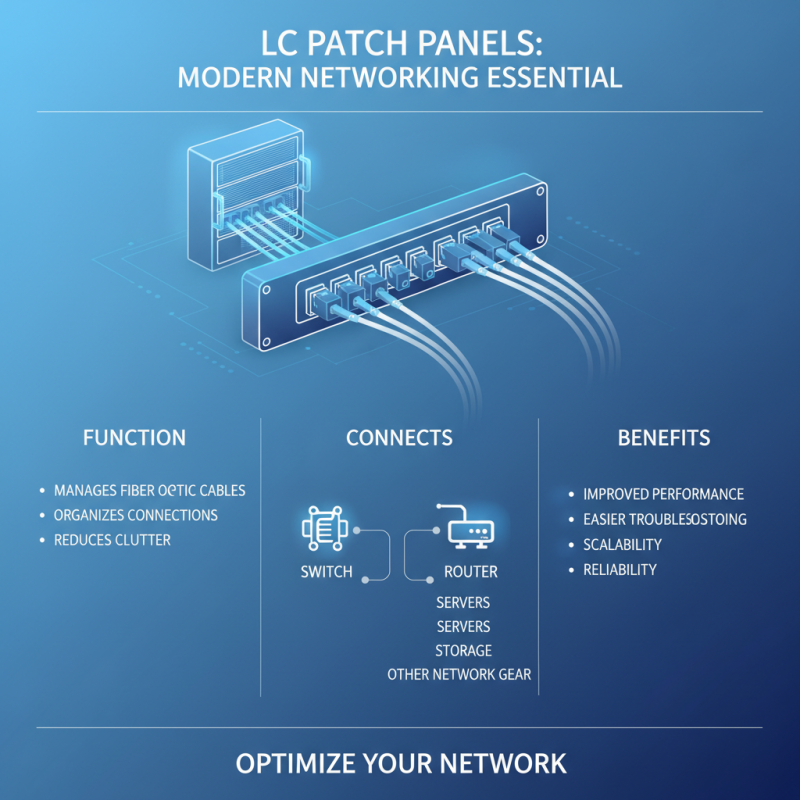
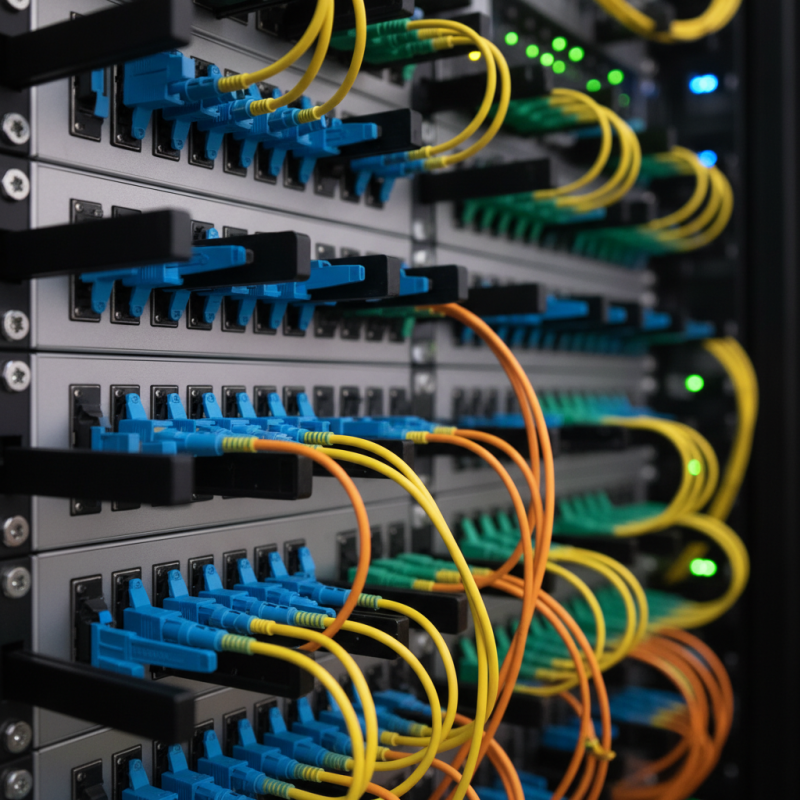
LC patch panels play a crucial role in modern networking. These devices manage fiber optic connections effectively. They facilitate connections between different networking devices, like switches and routers. An efficient LC patch panel can enhance network performance significantly.
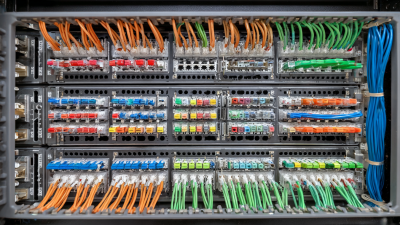
Data from industry reports indicate that about 60% of network issues stem from poor cable management. LC patch panels, with their structured layout, help mitigate this problem. They allow for easy organization of cables. This organization reduces the chances of human error during maintenance. Furthermore, businesses that improved cable management saw up to a 40% increase in network reliability. This fact emphasizes the need for thoughtful selection of patch panels.
Choosing the right LC patch panel is not just about capacity. It's also about understanding network needs. Different setups require different configurations. For instance, a small office may need fewer ports than a data center. A mismatched patch panel can lead to inefficiencies. It's essential to reflect on current and future network demands before making a decision. The wrong choice can be costly in both performance and resources.
Identifying Your Network Requirements for Patch Panel Selection
Choosing the right LC patch panel starts with understanding your network needs. Consider the size of your network. Are you dealing with a small office or a larger enterprise? Knowing the scale can inform your choice of ports. A small setup might only need a 12-port panel. Larger networks could require 48 ports or more. More ports mean more flexibility but also more complexity.
Next, evaluate your bandwidth needs. Will your network handle high-speed data transfer? If so, opt for panels that support higher data rates. Think about your future requirements. Will you upgrade your network soon? It’s wise to select a patch panel that accommodates potential expansion.
Finally, assess the type of cables in use. Are you using fiber or copper? Different patch panels cater to different types of cables. If installing a new system, mistakes can happen. Sometimes, you might forget to check compatibility between cables and ports, leading to issues later on. Taking time to consider these factors will help.
Evaluating Different Types of LC Patch Panels Available
When evaluating different types of LC patch panels, several factors come into play. These panels typically fall into two categories: loaded and unloaded. Loaded panels come with pre-installed fiber optic adapters, saving you time during setup. Unloaded panels allow for customization, letting you choose adapters that fit your specific needs, but this may require more planning.
It’s essential to consider the installation environment. For high-density areas, you might need a compact panel design. However, if you prefer easy access for maintenance, a larger, more accessible panel may be better. Pay close attention to the panel material as well. Metal panels offer durability, while plastic panels may be lighter but less robust.
**Tips:** Always check compatibility with your existing infrastructure. A poor match can lead to performance issues. Consider future expansion plans as well. An expandable panel can save you trouble later. Finally, keep in mind the aesthetics. Visual appeal can matter in professional environments.
Distribution of Different Types of LC Patch Panels
Key Features to Consider When Choosing an LC Patch Panel
When selecting an LC patch panel, several key features deserve attention. First, consider the panel's density. High-density panels save space by allowing more connections in a smaller area. This is vital for data centers with limited room. The number of ports often influences your choice; think about future growth as well.
Next, assess the build quality. Materials that resist wear and tear extend the panel's life. Additionally, check the labeling system. Clear labels simplify the identification of connections. A confusing labeling system can lead to mistakes during maintenance. It’s easy to overlook simple details, yet they impact efficiency.
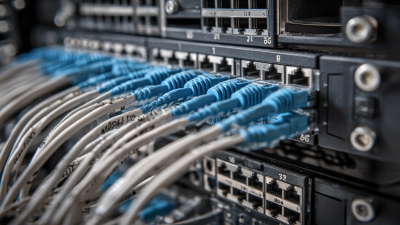
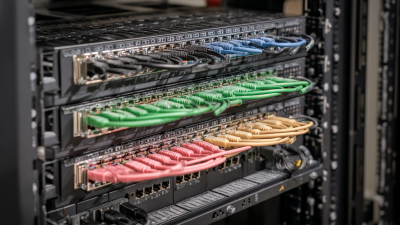
Cable management options are essential. Organizing cables prevents tangles and reduces signal loss. Some panels come with integrated management features. A good cable management system is worth the extra cost. Yet, not all users prioritize this. Understand your needs before making a decision. Balancing quality with price can be challenging. Always reflect on how your choice meets your specific requirements.
Installation and Maintenance Tips for LC Patch Panels
When installing LC patch panels, proper organization is crucial. Start by determining the location of your patch panel. Ensure it is accessible for maintenance. It should also be placed in a cool, dry area to prevent overheating. Use cable management tools to avoid tangled wires. This will help maintain a clean setup.
During installation, be mindful of cable ties. Over-tightening can damage the cables. Leave some slack in the cables for future adjustments. Label each port clearly. This will save you time during troubleshooting. Don't skip this step, as mislabeling can lead to confusion later. Rethink your layout if you notice overcrowding. An organized setup is more efficient.
Maintenance is about regular checks. Inspect for any signs of wear and tear. Dust can accumulate inside panels. Use compressed air to clear out debris. This simple task extends the life of the patch panel. Consider the importance of backup plans. What happens if a cable fails? Have replacement components ready, just in case. Reflect on your setup periodically. Adjust as necessary to meet evolving needs.