Why Choosing the Right Network Cable is Essential for Your Internet Speed
In today's fast-paced digital world, the speed and reliability of your internet connection have become paramount. One of the essential components that significantly impact internet performance is the network cable. While many users often overlook the type of network cable they are using, this choice can make a substantial difference in achieving optimal internet speeds. With various options available, understanding the distinctions between cables can empower users to make informed decisions that enhance their connectivity.
Network cables serve as the lifeline of our internet experience, facilitating the transfer of data between devices and routers. From streaming high-definition videos to engaging in online gaming, a reliable network cable can ensure that bandwidth requirements are met without interruptions. Selecting the right network cable not only affects speed but also influences latency and overall network efficiency. As technology advances and internet demands continue to grow, ensuring that you have the appropriate network cable in place becomes increasingly vital for maximizing your online experience.
In this exploration, we will delve into the different types of network cables available, their specifications, and how making the right choice can optimize your internet speed. By understanding these key factors, users can achieve a seamless online experience while fully utilizing their internet plans.
Importance of Network Cables in Achieving Optimal Internet Speed
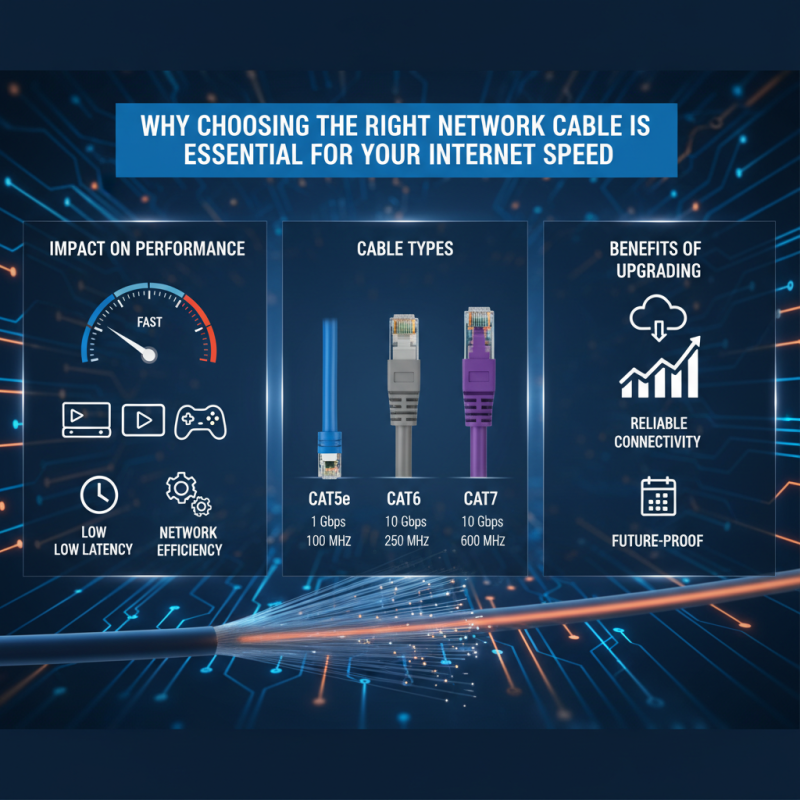
When it comes to achieving optimal internet speed, the role of network cables cannot be underestimated. These cables act as the lifeline for data transmission, connecting your devices to the router and ensuring a stable internet connection. Using the right type of network cable can significantly enhance your browsing, streaming, and gaming experiences. For instance, while older Ethernet cables like Cat5 can handle speeds up to 100 Mbps, newer variants such as Cat6 and Cat7 can support speeds reaching several gigabits per second. Thus, choosing a high-quality cable tailored to your internet needs is crucial for maximizing performance.
Tips for selecting the right network cable include assessing your internet plan speed first. If you’re subscribed to high-speed internet, investing in a cable that can match or exceed that speed will enable you to take full advantage of your service. Additionally, consider the distance between your devices and the router; longer distances may require higher quality cables to minimize signal loss. Finally, ensure that the connectors and cable construction meet industry standards for reliability, as this will contribute to the longevity and efficiency of your network setup.
In summary, making informed decisions about network cables can lead to a faster and more reliable internet experience. Whether you’re upgrading an existing setup or starting fresh, the right network cable is a pivotal element in your digital ecosystem.
Importance of Network Cables in Achieving Optimal Internet Speed
Understanding Different Types of Network Cables: CAT5e, CAT6, and Beyond
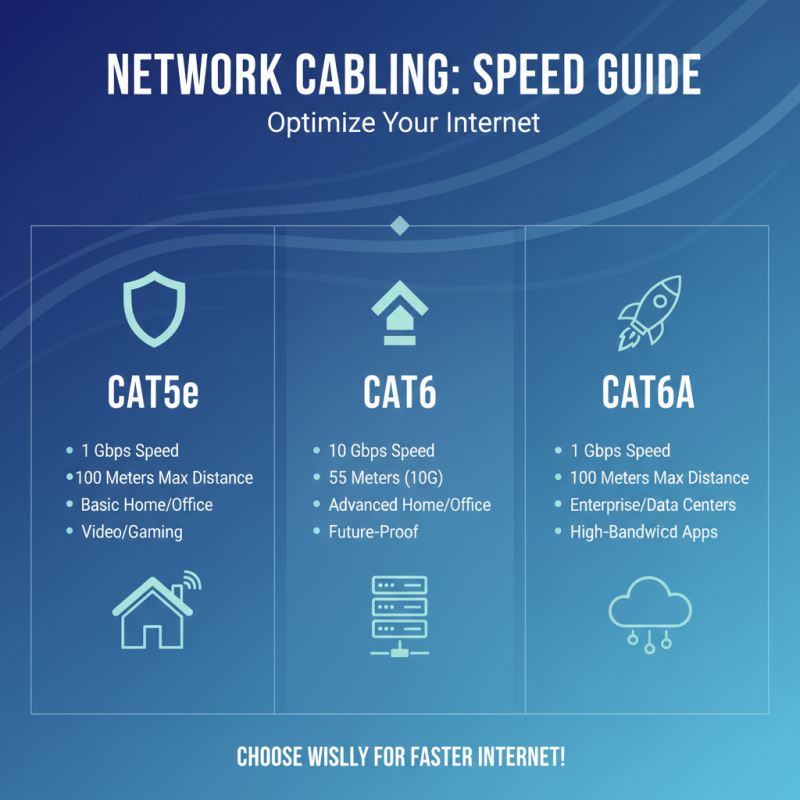
When it comes to network cabling, understanding the distinctions between various types is crucial for optimizing your internet speed. One of the most common types, CAT5e, supports speeds up to 1 Gbps and operates effectively over distances of 100 meters. This makes it a solid choice for basic home and office setups, handling video streaming and online gaming without significant lag. However, for those looking to future-proof their network infrastructure, moving beyond CAT5e is essential.
CAT6 cables offer a marked improvement, capable of handling speeds up to 10 Gbps over shorter distances (up to 55 meters). The enhanced shielding in CAT6 reduces crosstalk and interference, ensuring a cleaner signal, which is particularly beneficial in environments with multiple devices. For even higher demands, CAT6a extends these capabilities, supporting 10 Gbps over the full 100-meter range. As technology continues to evolve, choosing the right network cable is vital to accommodate not only current needs but also future internet speeds and applications, ensuring a seamless online experience.
Bandwidth Capabilities: How Cable Categories Affect Data Transmission Rates
When it comes to internet connectivity, the category of network cable you choose plays a significant role in determining your data transmission rates. Different categories of cables, like Cat5e, Cat6, and Cat7, have distinct bandwidth capabilities that can greatly influence your overall network performance. For instance, while Cat5e can effectively handle speeds up to 1 Gbps, Cat6 supports up to 10 Gbps over short distances, making it a better choice for high-demand environments. The ability of higher-category cables to support more extensive bandwidth ensures a smoother online experience, especially when multiple devices are connected to the same network.
Moreover, the cable's construction also affects its performance in terms of data transmission. Higher-quality cables often feature improved shielding and twisted pair designs, which help to reduce interference and crosstalk. This is particularly important in settings where high-speed data transfer is essential, such as in offices or gaming environments. As technologies advance and the demand for faster internet services increases, selecting a cable that not only meets current needs but also anticipates future requirements is crucial for optimizing your network efficiency.
Signal Quality and Interference: The Role of Cable Shielding in Performance
When it comes to achieving optimal internet speed, the quality of the network cable you choose plays a pivotal role. One key factor in determining this quality is cable shielding. Shielding serves as a protective barrier that minimizes electromagnetic interference (EMI) and radio frequency interference (RFI) from external sources. Without adequate shielding, cables can pick up unwanted noise, which can significantly degrade signal quality and, ultimately, internet performance.
Different types of shielding, such as foil or braided shields, are designed to counter various forms of interference. For instance, twisted pair cables often come with shielding to prevent crosstalk between adjacent wires. This is particularly important in environments with numerous electronic devices that can emit interference. The effectiveness of a shielded cable in maintaining signal integrity under these conditions can make a considerable difference in data transmission rates, ensuring a stable and fast internet connection.
Moreover, the construction of a cable can influence its susceptibility to interference. Cables with higher quality materials and design tend to provide better shielding. Thus, understanding the need for cable shielding is essential for consumers looking to enhance their internet experience, as it directly correlates to the overall performance and reliability of their network.
Why Choosing the Right Network Cable is Essential for Your Internet Speed
| Cable Type |
Max Speed (Gbps) |
Max Length (meters) |
Shielding Type |
Interference Resistance |
| Cat 5e |
1 |
100 |
Unshielded |
Low |
| Cat 6 |
10 |
55 |
Unshielded/Foiled |
Medium |
| Cat 6a |
10 |
100 |
Shielded |
High |
| Cat 7 |
10 |
100 |
Shielded |
Very High |
| Cat 8 |
25-40 |
30 |
Shielded |
Extremely High |
Future-Proofing Your Network: Selecting Cables for Upcoming Internet Speeds
When it comes to future-proofing your network, selecting the right cables can significantly impact your internet speeds as technology continues to evolve. As internet service providers roll out faster connections, ensuring that your cabling can support these increases is crucial. Modern cables like Cat6 and Cat6a offer enhanced performance over their predecessors, providing higher bandwidth and better overall speed. By investing in quality cabling now, you can save yourself the hassle of upgrading in the near future, allowing your home or office network to keep pace with advancements in internet technology.
Tips for choosing the right cables include examining the specifications that meet or exceed your anticipated internet speeds. For example, if your internet plan reaches up to 1 Gbps, opt for cables that support at least 10 Gbps to ensure optimal performance. Additionally, consider environmental factors like temperature and potential interference; cables with shielding can help maintain signal integrity in challenging environments. Lastly, always assess the length necessary for your setup; longer cables can introduce latency, so it's beneficial to keep runs as short as possible while maintaining accessibility.
In preparing for future internet demands, prioritize cables that are not only designed for current speeds but are also adaptable for the upcoming high-speed standards. Investing in higher-quality materials will not only improve your immediate internet experience but also secure your network against obsolescence as technology advances. Staying updated with the latest cabling technology will empower you to maximize your bandwidth and enhance overall connectivity.