How to Use Calcium Carbonate Powder Effectively in Your Home?
calcium carbonate powder is a versatile substance with numerous uses in homes. According to Dr. Emily Foster, a leading expert in household chemistry, “Calcium carbonate powder can transform how we manage everyday tasks.” This statement highlights its significance in various applications.
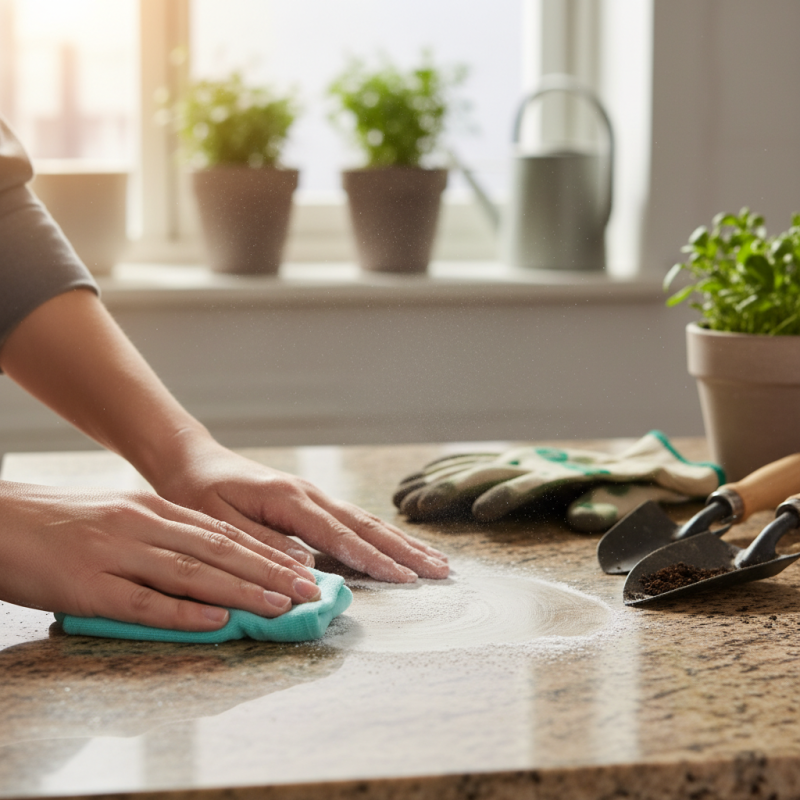
In cleaning, calcium carbonate powder acts as a gentle abrasive. It can help remove stains and scuff marks from surfaces. For instance, it works well on countertops and floors, making them look new again. In gardening, this powder balances soil acidity, promoting healthier plant growth. However, overusing it can lead to imbalances in soil nutrients, requiring careful application.
While many appreciate calcium carbonate powder's benefits, some may overlook its proper usage. Improper handling can lead to dust inhalation during mixing, which is a concern. Reflecting on its uses, it is essential to consider safety and effectiveness. Understanding the balance in application can enhance your experience with this remarkable powder.
Understanding Calcium Carbonate Powder and Its Properties
Calcium carbonate powder is a versatile substance found in many homes. Its properties make it suitable for various applications, ranging from gardening to cleaning. According to industry reports, calcium carbonate is used extensively in agriculture, where it helps neutralize acidic soils and enhances plant growth. It's intriguing to note that this compound can improve soil structure, promoting healthier roots.
Tip: When using calcium carbonate in your garden, ensure the pH level suits the plants you grow. Not all plants thrive in alkaline soils.
In cleaning, calcium carbonate acts as an effective abrasive. It can remove stubborn stains without scratching surfaces. An estimated 80% of household cleaners now incorporate mild abrasives like calcium carbonate. However, caution is necessary; excessive use may lead to residue buildup, rendering surfaces less shiny.
Tip: Always test on a small area first. This simple action can prevent unwanted marks on your surfaces.
Calcium carbonate serves as a dietary supplement too. Many people take it for calcium intake. While this is beneficial, overconsumption can lead to digestive issues. Balance is crucial, as is consulting with a healthcare provider before adding it to your diet. Understanding calcium carbonate and its properties allows for its effective, safe use in everyday life.
Common Household Uses of Calcium Carbonate Powder
Calcium carbonate powder is a versatile substance found in many households. It offers practical solutions across various tasks. For instance, it is an effective cleaning agent. Mix it with water to create a paste for scrubbing surfaces, such as countertops or sinks. The mild abrasive quality helps lift grime without scratching. According to industry reports, using calcium carbonate in cleaning can reduce chemical waste by up to 30%.
Another common use is as a dietary supplement. It serves as a calcium source for those who need it. Many people struggle to get enough calcium through their diet. Calcium carbonate provides a simple way to support bone health. Reports indicate that about 40% of adults do not meet their calcium needs. Moreover, it can aid in neutralizing stomach acid, offering relief from indigestion.
In gardening, calcium carbonate improves soil quality. It helps adjust the pH for optimal plant growth. However, excessive use may lead to soil imbalances. This can create challenges for certain plant species. It’s vital to test soil pH regularly to avoid issues. Many gardeners overlook this step, but it can make a significant difference in plant health. In these various applications, careful consideration and moderation are essential for success.
Step-by-Step Guide to Using Calcium Carbonate in Cleaning
Calcium carbonate powder is a versatile tool for cleaning at home. It’s safe and effective for many surfaces. Start by mixing a small amount with water to create a paste. This paste can work miracles on stains. Apply it to the stained area and let it sit for a few minutes. Then, scrub gently with a soft cloth. Many say the results are impressive, but some stains may require a repeat application. It's important to test on a hidden area first, just to be sure.
For a fresh and natural kitchen, use calcium carbonate to clean countertops. Sprinkle some powder directly on the surface. Use a damp sponge to scrub away dirt and grime. You may find it can leave some residue, so rinse thoroughly with water afterward. Some may find it tricky to know the right amount. Less is sometimes more, yet too much can create a mess. Adjust based on your needs. Overall, the process is simple but may take a little practice to get just right.
How to Use Calcium Carbonate Powder Effectively in Your Home? - Step-by-Step Guide to Using Calcium Carbonate in Cleaning
| Cleaning Task | Calcium Carbonate Use | Instructions | Effectiveness |
| Surface Scrubbing | Cleaning powder | Mix with water to create a paste, apply on surfaces, then scrub. | Highly effective for tough stains and grime. |
| Deodorizing | Odor neutralizer | Sprinkle on carpets or in trash bins, let sit, then vacuum or clean away. | Effectively removes odors from various surfaces. |
| Window Cleaner | Natural cleaner | Mix in water, apply with a cloth or sponge, and wipe clean. | Leaves windows streak-free and shiny. |
| Stain Removal | Stain treatment | Apply paste on stains, let sit, and wash as usual. | Very effective for fabric and carpet stains. |
| Mildew Cleaner | Antimicrobial agent | Combine with vinegar, apply to affected areas and scrub. | Highly effective against mold and mildew. |
Safe Storage and Handling Practices for Calcium Carbonate Powder
When storing calcium carbonate powder at home, focus on safety. Always keep it in a cool, dry place. Moisture can clump the powder, making it less effective. Use airtight containers for storage. This helps prevent contamination and maintains quality.
Handling calcium carbonate powder requires caution. Always wear gloves and a mask when using it. Fine particles can become airborne and irritate your lungs. A small spill can create a mess. Keep a damp cloth nearby for quick clean-up. It’s essential to avoid inhalation and skin contact.
Label your containers clearly. This helps others identify the contents. Children should not have access to the powder. Make sure to educate family members about its safe use. Regularly check the storage area for signs of moisture or spills. Reflect on your methods and make necessary adjustments. Safety is key when using home materials.
Precautions and Environmental Considerations When Using Calcium Carbonate
Calcium carbonate powder is widely used in homes for various applications, from cleaning to gardening. However, its use comes with specific precautions and environmental considerations. It’s essential to understand how to utilize it without causing harm to health and the planet.
Using calcium carbonate can produce dust, which may irritate the respiratory system. Studies show that inhaling large particles could lead to long-term lung issues. Therefore, wearing masks during application is advisable. Keep the area well-ventilated. About 30% of calcium carbonate dust settles quickly, but the remaining can linger. This lingering dust can affect indoor air quality, especially in poorly ventilated spaces.
Moreover, while calcium carbonate is generally considered environmentally safe, improper disposal can lead to soil contamination. When applied excessively in gardens, it can alter soil pH, negatively impacting plant health. Research by the Environmental Protection Agency indicates that overuse can lead to imbalances in local ecosystems. It's crucial to measure the amount according to guidelines for soil needs and ensure proper disposal after use. Responsible application will prevent unintended consequences on both health and the environment.
Calcium Carbonate Usage in Households