Essential Networking Infrastructure Tips for Optimal Performance?
In today’s fast-paced digital landscape, effective networking infrastructure is crucial for organizations. Industry expert John Smith once stated, "A robust networking infrastructure is not just a luxury; it’s a necessity." His insight reflects the reality many companies face. Without proper infrastructure, businesses struggle with connectivity, security, and even productivity.
The backbone of any organization lies in its networking infrastructure. This includes routers, switches, and cables that facilitate communication and data sharing. When these components are not optimized, issues arise. Slow connections frustrate teams, while weak security leaves data vulnerable. Moreover, many organizations underestimate the importance of regular assessments and updates. Neglecting this can lead to costly outages or breaches.
Organizations must also consider scalability. As businesses grow, their networking infrastructure should evolve accordingly. Anticipating future needs can save time and resources. While many firms focus on immediate fixes, embracing a long-term vision is vital. Reflecting on our infrastructure can unveil vulnerabilities and reveal opportunities for improvement. Keeping these aspects in mind ensures your networking infrastructure remains a powerful ally in your success.

Essential Components of Networking Infrastructure for High Performance
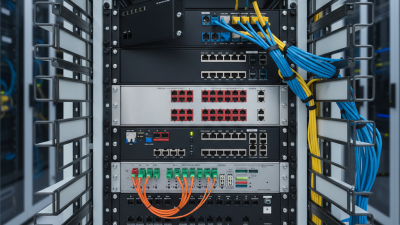
In today's digital age, a robust networking infrastructure is vital for optimal performance. Key components include routers, switches, and firewalls. Each plays a specific role in ensuring seamless data flow. Routers connect different networks, facilitating communication. Switches manage data traffic within a single network, directing packets efficiently. Firewalls act as security barriers, protecting against unauthorized access.
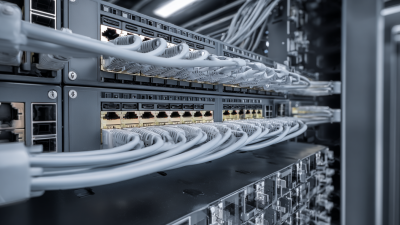
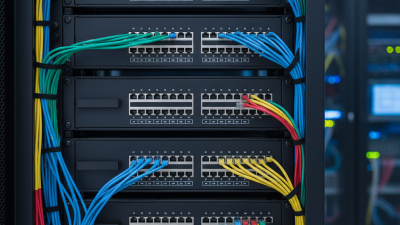
Wiring should not be overlooked. High-quality cables enhance data transmission speed. Regular maintenance checks can prevent issues. Power backup systems are essential too. Downtime can be costly. They ensure data integrity during outages. However, not all organizations prioritize this aspect. Some may cut corners on budget, leading to potential vulnerabilities.
Another critical aspect is monitoring tools. These tools help track network performance. They provide insights into traffic patterns and identify bottlenecks. However, relying solely on automated systems might overlook specific nuances. Human assessment is crucial for a comprehensive understanding. If neglected, even the best infrastructure can underperform. User experience suffers. Balancing technology with human insight is paramount for high performance.
Key Metrics for Evaluating Network Performance and Efficiency
Evaluating network performance is crucial for any organization. Key metrics provide insights into how well your network operates. Latency measures the delay in data transmission. A high latency can disrupt real-time applications. Ideally, latency should be low to enhance user experience.
Throughput represents the amount of data transmitted over time. It shows the network’s capacity to handle requests. Low throughput can signal issues. Monitoring data packets helps in identifying bottlenecks. Jitter, the variability in packet arrival time, can lead to interruptions. Maintaining consistent jitter is vital for voice and video communication.
Network efficiency is another important factor. It considers how effectively the available resources are utilized. Over-utilized networks may suffer from slow performance. Regularly analyzing these metrics helps in making informed decisions. It's common to overlook some of these indicators. Fixed assumptions can cloud judgment. A continuous assessment can reveal areas for improvement.
Essential Networking Infrastructure Tips for Optimal Performance?
| Metric |
Description |
Recommended Value |
Current Value |
| Latency |
Time taken for data to travel from source to destination |
< 20 ms |
15 ms |
| Bandwidth |
Maximum data transfer rate of a network |
100 Mbps |
95 Mbps |
| Packet Loss |
Percentage of packets lost during transmission |
< 1% |
0.5% |
| Jitter |
Variation in packet arrival time |
< 5 ms |
3 ms |
| Throughput |
Actual speed of data transfer |
80 Mbps |
75 Mbps |
Best Practices for Optimal Network Configuration and Management
In networking, configuration and management play crucial roles. It's essential to regularly evaluate your network settings. Analyzing the current infrastructure helps identify weak points. Are your devices up to date? Firmware updates can fix bugs and improve security.
Another aspect is the layout of your network. Proper placement of routers and switches can enhance coverage. Use diagrams to map out your infrastructure. They provide a visual representation, making it easier to spot issues. Sometimes, physical barriers obstruct signals. Assess these obstacles for optimal performance.
Traffic management is also vital. Monitor bandwidth usage to prevent bottlenecks. Invest in tools for tracking performance. This approach allows quick identification of slowdowns. Reflection is important; ask yourself, “What improvements can I make?” Regular audits may reveal hidden inefficiencies. Network performance is an ongoing journey, not a destination.
Importance of Redundancy and Failover Strategies in Networking
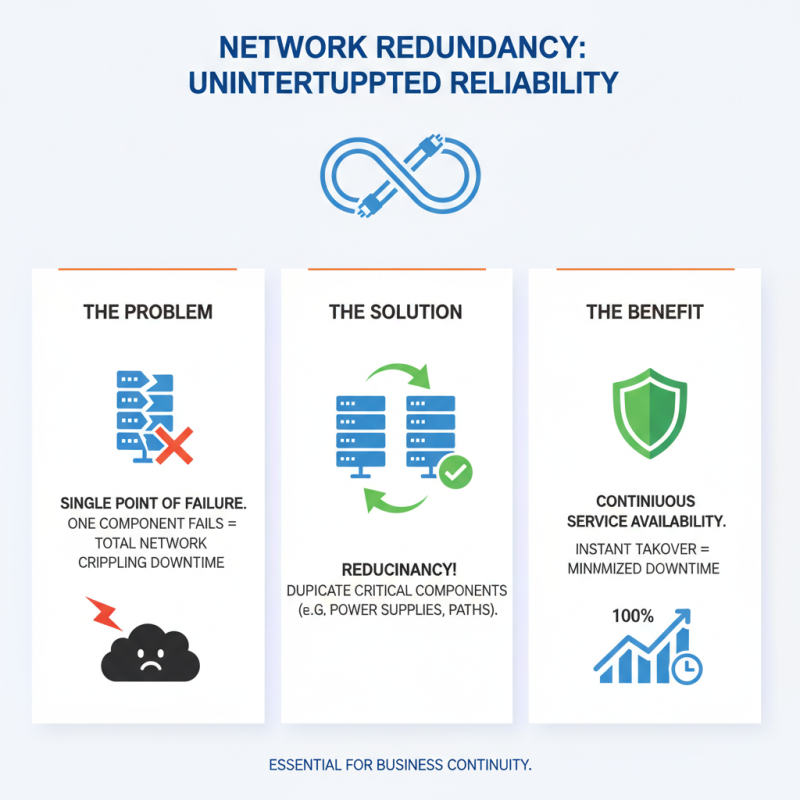
In networking, redundancy is essential for maintaining reliability. If one component fails, another should take over immediately. This minimizes downtime and ensures continuous service availability. For instance, using redundant power supplies in servers can prevent outages. A single point of failure can cripple an entire network.
Failover strategies are critical. They ensure that if a primary connection goes down, the backup activates instantly. This can involve multiple internet service providers or alternative routes for data. Yet, designing these systems can be challenging. Overlooking potential gaps can lead to unexpected service interruptions. It's vital to regularly test these failover systems to highlight flaws.
Incorporating redundancy isn’t just about installation. It requires ongoing assessment and adjustment. Regular drills can reveal how well a network responds to failures. Relying solely on initial setups may breed complacency. A robust network continuously evolves to meet changing demands.
Emerging Technologies Impacting Networking Infrastructure Optimization
Emerging technologies are reshaping networking infrastructure. Innovations like AI, IoT, and 5G have a profound impact. They bring speed and efficiency, yet introduce complexity. Adapting to these changes is essential for optimal performance.
Many organizations struggle with integration. They may invest in new tech but fail to align it with existing systems. Simplicity is key. Focus on clear communication between devices. This ensures that everything works in harmony.
Here are some tips to enhance your networking infrastructure. Regularly update software to address vulnerabilities. Network segmentation can prevent unauthorized access. Additionally, plan for scalability; as demand grows, so should your infrastructure. Address weaknesses before they become critical issues. Embrace change while being cautious.