What is a Patch Cable and How to Choose the Right One?
In the world of networking, a patch cable plays a crucial role. It connects devices, ensuring seamless communication. Choosing the right patch cable can make a significant difference in performance. Understanding the types available is essential. Not all patch cables are created equal. For instance, they vary in length, category, and shielding.
When selecting a patch cable, consider your specific needs. Do you require a cable for high-speed internet? Or is it for a local network? The quality of materials used also matters. A low-quality cable may lead to signal loss. This can frustrate users, especially in critical applications.
Furthermore, it's vital to think about future needs. Will your network expand? Ensuring your choice accommodates growth is wise. Reflect on the environment too. Will the cable endure wear and tear? Ultimately, a thoughtful selection process can enhance network reliability. A little research goes a long way in making the right decision for your patch cable requirements.
What is a Patch Cable?
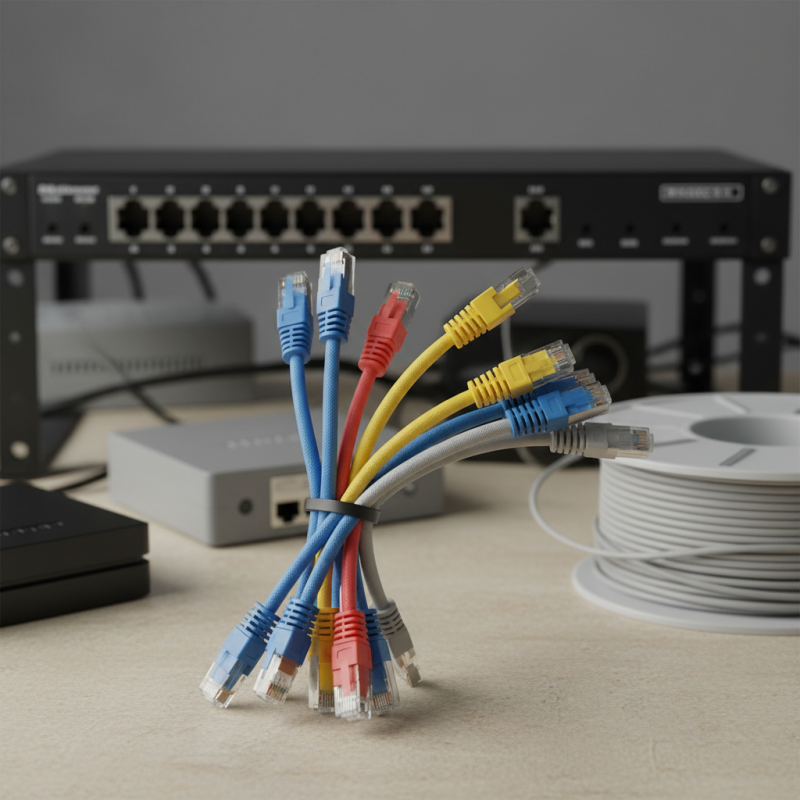
A patch cable is a short wire used to connect two electronic devices. Commonly found in networking, these cables link computers to routers or switches. They come in various types and lengths, making them versatile for different setups.
When selecting a patch cable, consider the type of cable. There are Ethernet cables and fiber optic cables. Ethernet cables are ideal for local area networks (LAN). Fiber optic cables offer faster data transmission over longer distances. Understanding your needs is crucial.
**Tip:** Always check the length and quality before purchasing. A good patch cable minimizes signal loss. Look for cables with good shielding to prevent interference.
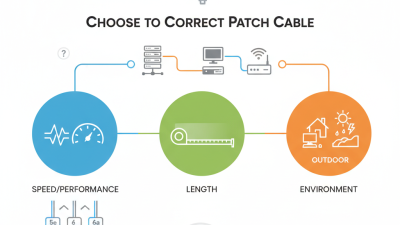
Another consideration is the category of the cable. Categories determine the speed and performance. For example, Cat6 cables are suitable for high-speed connections, while Cat5e suffices for basic use.
**Tip:** Think about future needs. Investing in a higher category cable can save you from frequent upgrades. Don't overlook the connectors; they should fit snugly to ensure a solid connection.
Types of Patch Cables Explained
Patch cables are essential components in networking setups. They connect devices to establish communication paths. Understanding the types of patch cables can help in choosing the right one for specific needs.
There are several types of patch cables. The most common are Ethernet cables used in local area networks (LAN). These cables support various standards like Cat5e, Cat6, and Cat6a. Each standard offers different performance levels, from 100 Mbps to 10 Gbps. According to industry reports, choosing Cat6 or Cat6a cables is ideal for high-speed applications. Fiber optic patch cables are another option. They are efficient for long-distance data transmission, significantly reducing signal loss.
Tips: Always check the specifications. Different cables have varying lengths and bandwidth capabilities. Ensure compatibility with your equipment. Regularly inspect cables for wear and tear. Faulty cables can disrupt connectivity. Sometimes, the right choice is not immediately clear. Do not hesitate to seek advice from a professional.
What is a Patch Cable and How to Choose the Right One? - Types of Patch Cables Explained
| Patch Cable Type |
Description |
Common Use Cases |
Length Options |
| Ethernet Patch Cable |
A cable used to connect devices within a local area network (LAN). |
Connecting computers to routers, switches, and modems. |
1ft to 100ft |
| Fiber Optic Patch Cable |
A cable that transmits data using light signals, providing high-speed connectivity. |
Data centers, high-speed internet connections, and telecommunication applications. |
1ft to 20ft |
| Coaxial Patch Cable |
Used for transmitting cable television signals as well as internet data. |
Connecting cable modems and other TV equipment. |
3ft to 50ft |
| Audio Patch Cable |
Designed to connect audio equipment, facilitating high-quality sound transmission. |
Connecting mixers, effects, synths in music production. |
1ft to 10ft |
Key Specifications to Consider When Choosing a Patch Cable
Choosing the right patch cable involves understanding a few key specifications. The most critical aspects include cable type, length, and shielding. Depending on your needs, you may prefer a CAT5e, CAT6, or CAT6a cable. Each type has different performance ratings, especially regarding speed and bandwidth.
Cable length plays a vital role too. Longer cables can experience signal degradation. It's best to keep lengths under 100 meters for optimal performance. Remember, a shorter cable often provides a stronger connection.
Tips: Always look for cables with good shielding. This can minimize interference from other devices. When possible, test your cable setup before finalizing installation. Reflect on your specific needs. Room for error is common, so don’t rush the decision-making process. Pay attention to the environment where the cables will be used. Different settings may require variations in cable specifications.
How to Measure the Length of a Patch Cable Correctly
Choosing the right length for a patch cable is crucial. An incorrect length can lead to network issues or clutter. To measure length accurately, first, consider the distance between devices. Use a tape measure for precise measurements. Avoid adding unnecessary slack. Too much length can create a tangled mess.
When measuring, remember to account for wall layouts and furniture. Cables often bend around corners, which adds to the total length. It's also wise to consider future upgrades. A slightly longer cable may save you from frequent replacements. Don't forget the connectors at each end; they can add slight extra length.
Though it seems simple, getting the length right requires attention. Rushing the process can lead to mistakes. Reflect on your setup and think critically about your cable needs. If unsure, a couple of extra feet is often better than coming up short. Always prioritize clarity and order in your network space.
Patch Cable Lengths Comparison
This bar chart illustrates the common lengths of patch cables and their popularity in use. The data collected presents a selection of lengths typically used for various networking setups.