Understanding Patch Cables Types Uses and Importance in Networking

In the world of networking, understanding patch cables is crucial. Patch cables play an essential role in connecting devices and enhancing network performance. Renowned networking expert James R. Kelly once stated, "A reliable network begins with the right patch cable." This underscores the importance of selecting the appropriate type and quality of patch cable for your setup.

Patch cables come in various types, each suited for different applications. They connect computers, switches, routers, and other hardware. Choosing the right one can significantly impact data transfer rates and network stability. However, many overlook these cables' importance, focusing solely on routers or switches. This oversight can lead to poor performance and frustrating connectivity issues.

Furthermore, proper installation also matters. A patch cable may be of high quality, but improper handling can reduce its effectiveness. Simple mistakes, like bending the cable too much, can affect signal quality. Network professionals must remain vigilant. In conclusion, paying attention to patch cable selection and usage can lead to significant improvements in any network environment.
Understanding Patch Cables Types Uses and Importance in Networking

Types of Patch Cables: Categories and Specifications

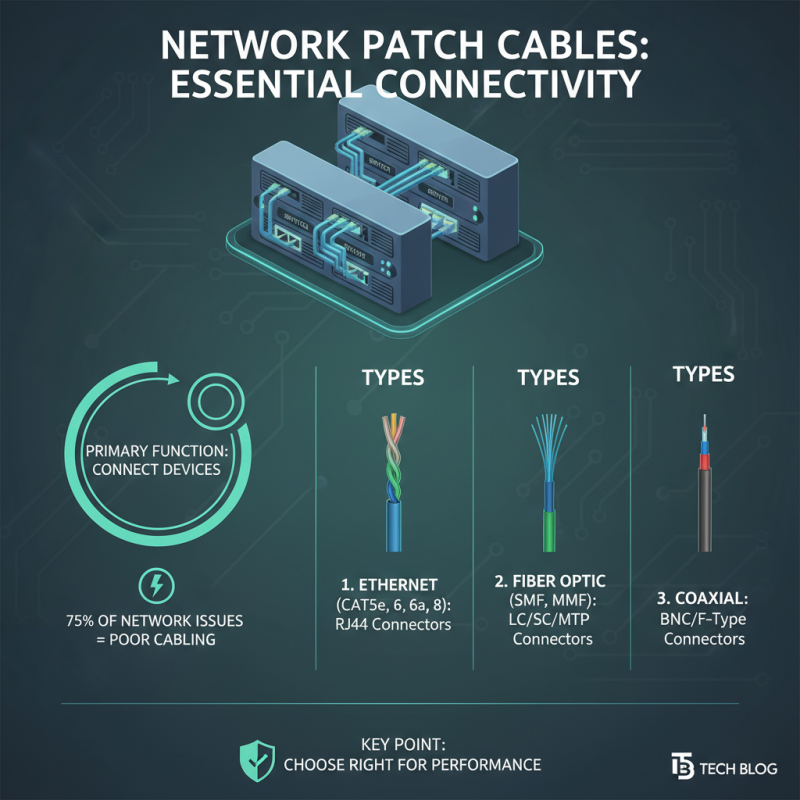
Patch cables are essential in networking, connecting devices like computers and routers. Understanding the types of patch cables is crucial for building an efficient network. There are several categories, each designed for specific purposes.

Twisted Pair cables are common in home and office setups. They come in different categories, such as Cat5e, Cat6, and Cat6a. Each category offers varying performance and speed capabilities. For instance, Cat6 can handle higher frequencies, improving data transfer. However, using the wrong category for your network can lead to unnecessary slowdowns.

Coaxial cables are another type, often used for cable television and internet. They have a single copper conductor and are good for long-distance transmission. Yet, they are less flexible than twisted pair cables. Fiber optic cables provide a more advanced option, using light signals. They are faster and more reliable but come with higher costs and installation challenges. Knowing these differences can help you choose the right cable for your needs, but it's also important to assess limitations and make the best decision for your specific environment.
Common Uses of Patch Cables in Networking Environments

Understanding Patch Cables Types Uses and Importance in Networking

Patch cables are essential in networking environments for seamless connectivity. Their primary function is to connect devices like switches, routers, and servers. According to industry reports, approximately 75% of network performance issues arise from poor cabling choices. This underscores the importance of selecting the right patch cable types.

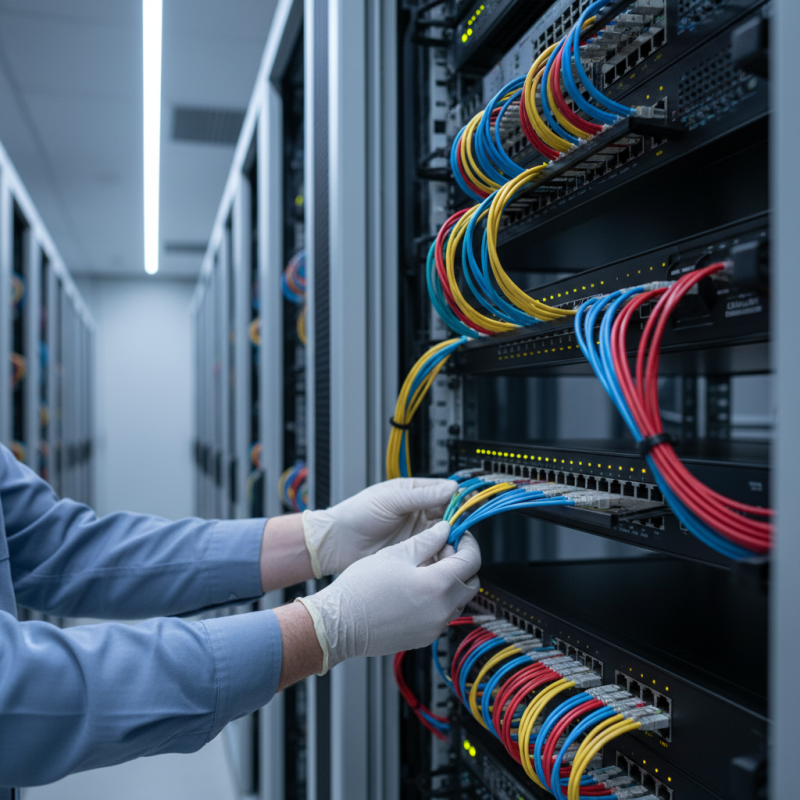
In office settings, patch cables link computers to network switches, ensuring data transfer efficiency. Studies show that using quality cables can reduce latency by up to 30%. In data centers, they facilitate quick server communication, crucial for maintaining uptime. However, many overlook patch cable length and type, leading to potential network frustrations.

Tips: Always choose patch cables that support your network speed. For example, Cat6 cables are ideal for 1 Gbps connections. Keep cables neatly organized to avoid tangles. Mismanaged cables can hinder data flow and create confusion. Reflecting on your patch cable setup could lead to better network performance.

Importance of Patch Cables for Network Performance and Reliability

Patch cables play a critical role in networking. Their importance extends beyond mere connection; they significantly impact network performance and reliability. Recent industry reports indicate that up to 70% of network issues stem from faulty cabling. This highlights the necessity of using appropriate patch cables for your setup.

The quality of patch cables affects data transfer speeds and connection stability. High-quality cables can minimize latency and packet loss, crucial for applications like video conferencing and online gaming. A recent study showed that using low-quality cables can lead to a 30% reduction in bandwidth efficiency.

However, many organizations overlook these factors. Choosing the right type of cable remains a challenge. Improperly managed patch cables can lead to tangling or interference, affecting overall network reliability. Awareness regarding proper installation and maintenance is essential. Small mistakes can lead to significant downtime, undermining productivity and efficiency.

Choosing the Right Length and Type of Patch Cable for Your Needs

Choosing the right length and type of patch cable is vital for optimal network performance. The length of the cable can significantly affect signal quality. For example, a standard Ethernet cable can transmit signals effectively over distances up to 100 meters. However, exceeding this distance can lead to data loss or slower speeds. According to a report by the IEEE, signal degradation becomes noticeable after 90 meters of cable run.

Different types of patch cables serve various purposes. A Cat5e cable is suitable for most home networks, supporting speeds up to 1 Gbps. In contrast, Cat6 cables provide better performance, handling speeds up to 10 Gbps over shorter distances. Many users overlook the benefits of these higher categories, leading to subpar networking experiences. It's crucial to assess your specific needs before making a decision.

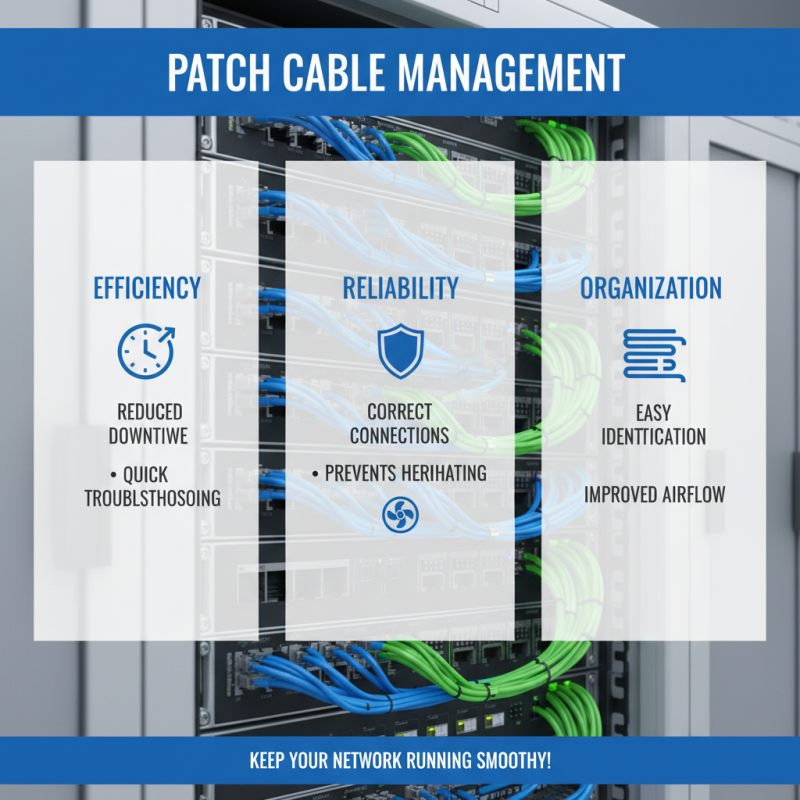
Cable management should also be a consideration. A mess of tangled cables can lead to confusion and maintenance issues. While aesthetics may not seem essential, organized cables help with troubleshooting. Utilize cable ties or management systems to improve airflow and visibility. Neglecting this aspect could result in a frustrating user experience.

Best Practices for Maintaining and Organizing Patch Cables in Networks

Understanding Patch Cables Types Uses and Importance in Networking

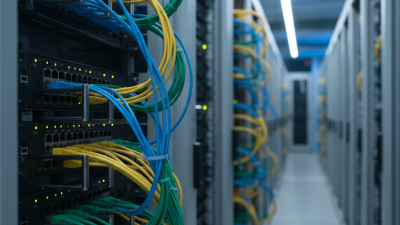
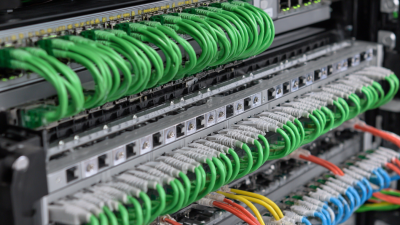
Maintaining and organizing patch cables is vital for network efficiency. Tangled cables can cause confusion. They may lead to incorrect connections, resulting in downtime. A neat cable arrangement ensures quick troubleshooting. It also enhances airflow around devices, preventing overheating.

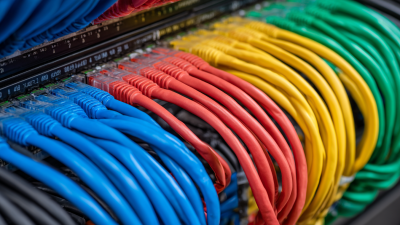
Using cable ties or sleeves can help keep patch cables in line. Grouping cables by their function or location is beneficial. Color coding can simplify identification. Relying on a well-labeled system may save time when performing updates or repairs. However, some may overlook this step, leading to a chaotic workspace.

Regular inspections are crucial to maintaining functionality. Cables should be checked for wear and tear. Replacing damaged cables promptly can save costs down the line. It's common to find tangled or frayed cables in many setups. A habit of organizing can significantly improve network productivity. It's worth reflecting on how a little effort goes a long way in creating a more efficient network environment.