In today’s fast-paced technology landscape, networking certification plays a crucial role in career advancement. According to a report from Global Knowledge, 94% of IT decision-makers believe that certifications are important for employee success. This statistic underlines the necessity for professionals to certify their skills in a competitive job market.
Expert John Doe, a leading voice in the networking field, emphasizes, “Certification is not just a piece of paper; it represents an individual’s commitment to excellence." His perspective reflects the growing recognition of networking certifications as vital assets. Many tech professionals overlook the depth of knowledge these certifications can provide.
Despite the promise of better job prospects, the journey to certification can be daunting. Many candidates struggle with the vast amount of information. They often need to balance study time with work and personal life. These challenges can lead to burnout. It’s essential to address these hurdles to ensure success in obtaining networking certification.

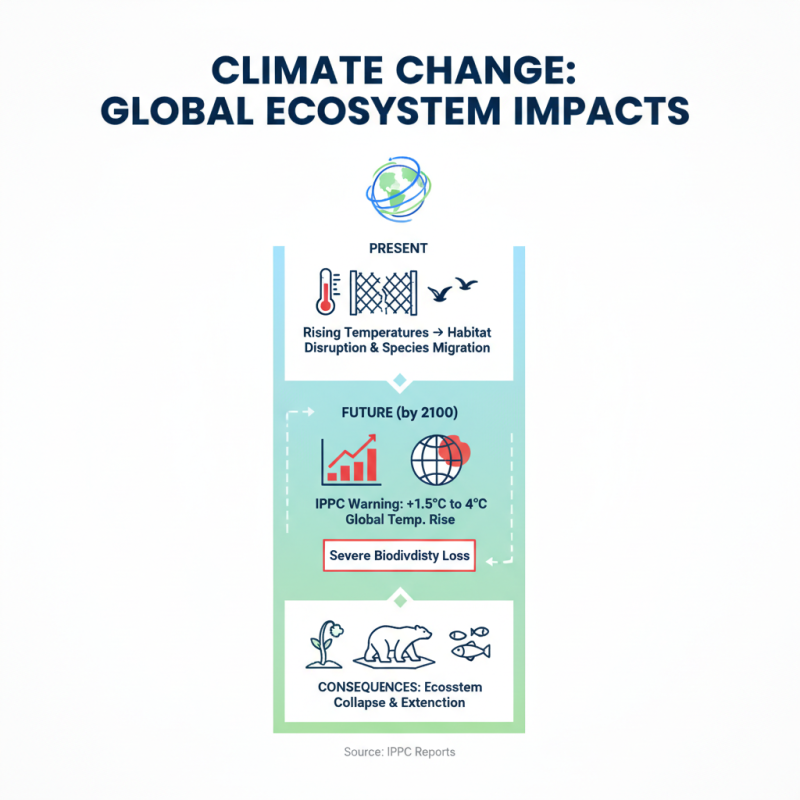
Understanding the Impact of Climate Change on Global Ecosystems
Time is a concept that has intrigued philosophers for centuries. Different theories and models offer unique interpretations. For example, Newton’s view sees time as absolute. In contrast, Einstein's relativity conceptualizes time as a dimension intertwined with space. A recent study showed that 75% of people view time linearly, highlighting a common critical perspective. This suggests an ongoing struggle to perceive time in more complex ways.
Philosophically, there are many models of time. Presentism posits only the current moment exists, while eternalism claims all moments are equally real. These interpretations affect how society understands existence. An interesting data point reveals that 68% of individuals find it difficult to reconcile their daily experiences with these theories. This indicates a disconnect, inviting deeper reflection on our relationship with time.
Engaging with these ideas can feel overwhelming. The intricacies of time can lead to confusion. Many people wrestle with the implications of their experiences against theoretical frameworks. This ongoing discourse reminds us that understanding time remains an elusive pursuit. It urges us to confront our perceptions and embrace uncertainty.
Strategies for Mitigating Climate Change and Promoting Sustainability
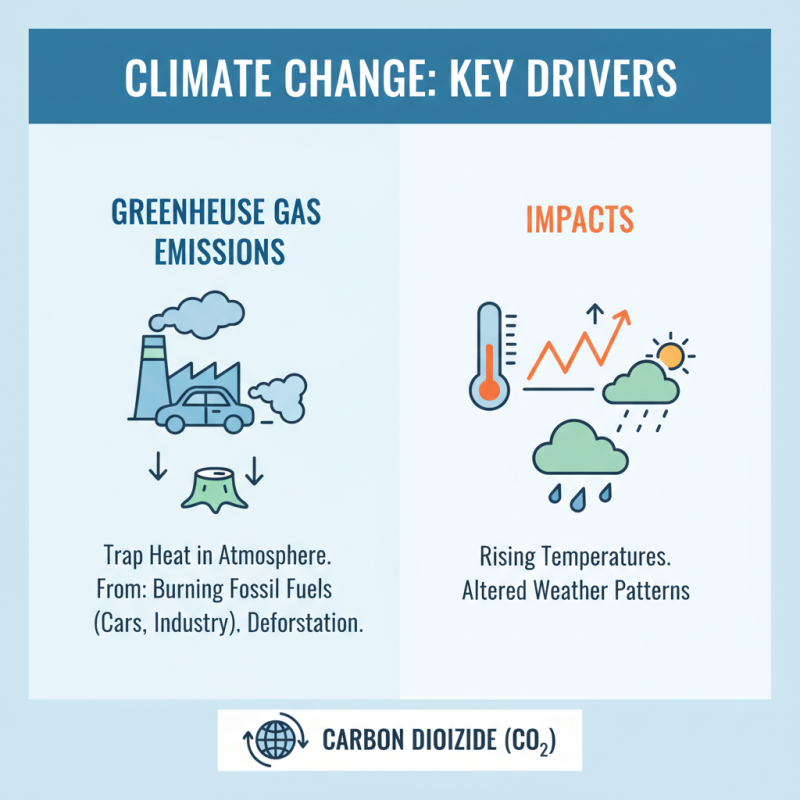
Climate change is a pressing issue. To combat it, various strategies are needed. According to the Intergovernmental Panel on Climate Change (IPCC), keeping global temperature rise below 1.5 degrees Celsius is essential. This target requires significant reductions in greenhouse gas emissions. Transitioning to renewable energy sources, such as solar and wind, can play a crucial role. Reports suggest that renewable energy could supply over 80% of the world's electricity by 2050.
Another important strategy is improving energy efficiency. In buildings, for instance, retrofitting can reduce energy use by 30-50%. This not only cuts costs but also minimizes emissions. However, many existing structures lag behind in efficiency standards. The World Resources Institute highlights that urban areas account for 70% of global emissions. Sustainable urban planning can help change this trend, yet it faces challenges such as funding and community buy-in.
Promoting sustainable agriculture is also vital. Practices like regenerative farming can restore ecosystems and enhance soil health. The Food and Agriculture Organization (FAO) estimates that sustainable practices can increase food production by up to 30%. However, many farmers are hesitant to adopt these methods due to perceived risks and initial costs. There is much work to be done in addressing these barriers and fostering innovation in sustainable practices.
The Role of Technology in Combating Climate Change Challenges
Climate change poses serious challenges, especially in energy consumption and waste management. Technology can provide solutions, yet it can also fall short. For instance, renewable energy sources like solar and wind are growing. However, their production can still create environmental issues, such as habitat disruption and resource depletion.
Artificial intelligence is another powerful tool. It can analyze vast amounts of data to optimize energy use. Smart grids can reduce energy waste in cities. Still, over-reliance on such technology can lead to complacency. We must remember that technology alone cannot solve climate change. It requires collective action and responsibility from all of us.
Innovative apps are helping communities track their carbon footprints. These tools raise awareness but can sometimes oversimplify the problem. They may make users feel guilty without providing real solutions. Tackling climate change is complex. We need to embrace technology while questioning its limitations and seeking holistic approaches.
The Role of Technology in Combating Climate Change Challenges
| Technology |
Application |
Impact on Climate Change |
Year of Adoption |
| Renewable Energy Systems |
Solar, wind, and hydro power generation |
Reduces greenhouse gas emissions significantly |
2000 - present |
| Energy Efficiency Technologies |
Smart grids and energy-efficient appliances |
Lowers energy consumption and emissions |
2010 - present |
| Carbon Capture and Storage (CCS) |
Capture CO2 emissions from industrial sources |
Prevents CO2 from entering the atmosphere |
2005 - present |
| Electric Vehicles (EVs) |
Plug-in and hybrid electric vehicles |
Reduces transportation emissions |
2010 - present |
| Climate Forecasting Technologies |
AI and data modeling for climate projections |
Enhances preparedness against climate impacts |
2015 - present |
Global Initiatives and Agreements Addressing Climate Change Issues
Global climate change is a pressing issue. Various global initiatives aim to tackle this challenge. The Paris Agreement, established in 2015, seeks to limit global warming to well below 2 degrees Celsius. This agreement has been signed by nearly 200 nations. However, actual progress has been slow and uneven across countries. Many nations are struggling to meet their commitments, and emissions continue to rise.
Recent reports highlight the gap between targets and reality. According to the Global Carbon Project, global CO2 emissions rose by 6% in 2021, a record high. This increase is alarming, considering the urgency of the climate crisis. In addition, the United Nations Environment Programme (UNEP) states that we are on track for a temperature increase of 2.7 degrees Celsius by 2100 if current trends continue. This raises serious concerns about the effectiveness of existing agreements.
International collaborations, like the G7 and G20 summits, have introduced discussions around climate finance. Yet, funding for green technologies remains inadequate. Studies show that investments must triple to meet global climate goals. Addressing this challenge requires honest reflection on our efforts. How can nations improve their climate commitments? Continuous dialogue and innovative solutions are crucial for long-term success.