What is a Rechargeable Lithium Battery and How Does It Work?
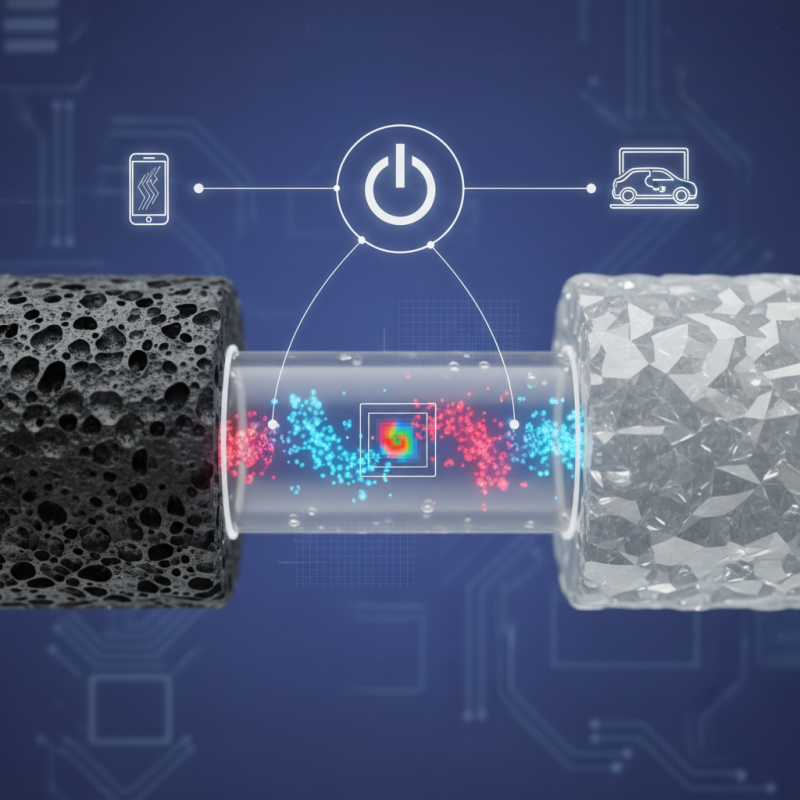
Rechargeable Lithium Batteries have transformed modern technology. These batteries power our smartphones, laptops, and electric vehicles. Their popularity stems from impressive energy density, lightweight design, and rechargeability. Understanding how they work is crucial for anyone using these devices.
Inside a rechargeable lithium battery, lithium ions move between the anode and cathode during charging and discharging. This process creates electrical energy, which powers our gadgets. However, not all rechargeable lithium batteries are created equal. Some may lose capacity over time, leading to shorter usage periods.
While they are efficient, challenges exist. Overheating and potential battery degradation can affect performance. Ensuring proper usage and care is vital for longevity. By reflecting on these aspects, users can maximize the benefits of rechargeable lithium batteries while acknowledging their limitations.
What is a Rechargeable Lithium Battery?
A rechargeable lithium battery is a power source that can be used multiple times. It charges and discharges electricity, making it convenient for portable devices. These batteries are commonly found in smartphones, laptops, and electric vehicles. One unique feature of lithium batteries is their high energy density, which means they can store a lot of energy in a small space.
The working principle of a rechargeable lithium battery involves chemical reactions. During charging, lithium ions move from the positive electrode to the negative electrode. This process stores energy. When the battery discharges, the ions move back, releasing energy to power the device. It’s fascinating how such small components can drive our technology.
However, it’s important to note that lithium batteries come with environmental considerations. Their production and disposal can impact ecosystems. Additionally, while they have a long lifespan, they will eventually degrade. Users must reflect on their battery usage habits. Regularly checking for wear and minimizing fast charging can enhance battery life. Understanding these factors makes for more responsible use of rechargeable lithium batteries.
The Chemistry Behind Lithium-Ion Technology
Lithium-ion technology plays a crucial role in modern rechargeable batteries. Understanding the chemistry behind these batteries helps us appreciate their efficiency and lifespan. At the heart of lithium-ion batteries are two electrodes: an anode and a cathode. The anode is typically made of carbon, while the cathode consists of lithium metal oxide. When the battery discharges, lithium ions move from the anode to the cathode through an electrolyte solution. This movement generates an electric current.
During charging, the process reverses. Lithium ions migrate back to the anode. This unique flow of ions is essential for the battery's performance. The use of lithium in these batteries offers several advantages. It has a high energy density, which means batteries can store more energy in a smaller space. However, one should also consider the environmental impact of lithium extraction and battery disposal.
**Tip**: Always ensure proper battery management to extend lifespan. Avoid letting the battery drain completely too often.
The solid electrolyte interphase (SEI) forms on the anode during initial charging. While it protects the anode, too thick a layer can hinder performance. Reflect on the balance between protecting battery health and efficiency.
**Tip**: Charge your battery regularly rather than depleting it fully. This habit can promote longevity.
What is a Rechargeable Lithium Battery and How Does It Work?
| Property | Description |
| Chemistry | Lithium-Ion (Li-ion) |
| Nominal Voltage | 3.6 - 3.7 Volts |
| Common Applications | Smartphones, Laptops, Electric Vehicles |
| Cycle Life | 300 - 500 full charge cycles |
| Energy Density | 150 - 250 Wh/kg |
| Charge Time | 1 - 4 hours (depending on capacity) |
| Temperature Range | -20°C to 60°C |
| Safety Features | Thermal runaway protection, overcharge protection |
How Rechargeable Lithium Batteries Store and Release Energy
Rechargeable lithium batteries are widely used for their efficiency and reliability. But how do they store and release energy? The process involves chemistry that is fascinating yet complex. These batteries contain lithium ions that move between the anode and cathode. During charging, lithium ions flow to the anode, storing energy. When discharging, they travel back to the cathode, releasing energy to power devices.
The energy storage relies on electrochemical reactions. The anode typically consists of graphite, while the cathode usually contains lithium metal oxide. This composition is effective, but it does have limitations. Over time, the battery's capacity may degrade, causing it to hold less charge. Heat generation during charging and discharging can also lead to efficiency loss.
Many users overlook the impact of deep discharges on battery lifespan. Regularly draining a lithium battery can lead to quicker degradation. Proper care can enhance performance, yet it requires mindful usage. Optimizing the charge cycles is essential for maintaining battery health. Understanding these aspects can lead to better long-term usage.
Energy Storage and Release in Rechargeable Lithium Batteries
This bar chart illustrates the energy stored during the charging process and the energy released during discharging in a typical rechargeable lithium battery. The charging phase typically stores around 250 Wh of energy, while during discharging, approximately 200 Wh is released for use, highlighting efficiency in energy storage and usage.
Applications of Rechargeable Lithium Batteries in Modern Devices
Rechargeable lithium batteries play a crucial role in modern technology. These batteries are widely used in smartphones, laptops, and electric vehicles. Their lightweight and high energy density make them ideal for portable devices. Additionally, they provide longer lifecycle compared to traditional batteries.
In smartphones, these batteries contribute to longer usage time between charges. This enhances user experience significantly. In laptops, they allow for more powerful performance in a compact form. Electric vehicles utilize lithium batteries for their efficiency, enabling longer driving ranges.
Tips for maximizing battery life: Avoid extreme temperatures. These can damage the battery's capacity. Regularly charge your devices instead of letting them drain completely. Also, turning off unnecessary features like GPS can help conserve energy. Consider these aspects, as they can impact battery longevity. Rechargeable lithium batteries are essential, but they can have limitations. Understanding how to care for them is vital to get the best performance.
Key Advantages and Limitations of Lithium-Ion Batteries
Lithium-ion batteries are prevalent in modern electronics. They have unique advantages and some notable limitations. A key advantage of lithium-ion batteries is their energy density. They store a lot of energy in a compact form. This allows devices to run longer without adding bulk.
Another significant benefit is their rechargeability. After depleting their energy, they can be easily recharged. This feature makes them suitable for portable electronics and electric vehicles. However, lithium-ion batteries can have drawbacks. They may degrade over time, especially if charged improperly. Using them in high-temperature environments can lead to safety concerns.
Tips: Always charge in a cool place. Avoid exposing batteries to extreme heat. Regularly check battery health to ensure optimal performance. Another point to consider is their recycling. While they are recyclable, not all facilities handle them properly. This creates environmental challenges. Understanding these aspects helps in making informed choices about battery use.