How Reverse Engineering PCB Can Benefit Your Business at 2026 Canton Fair?
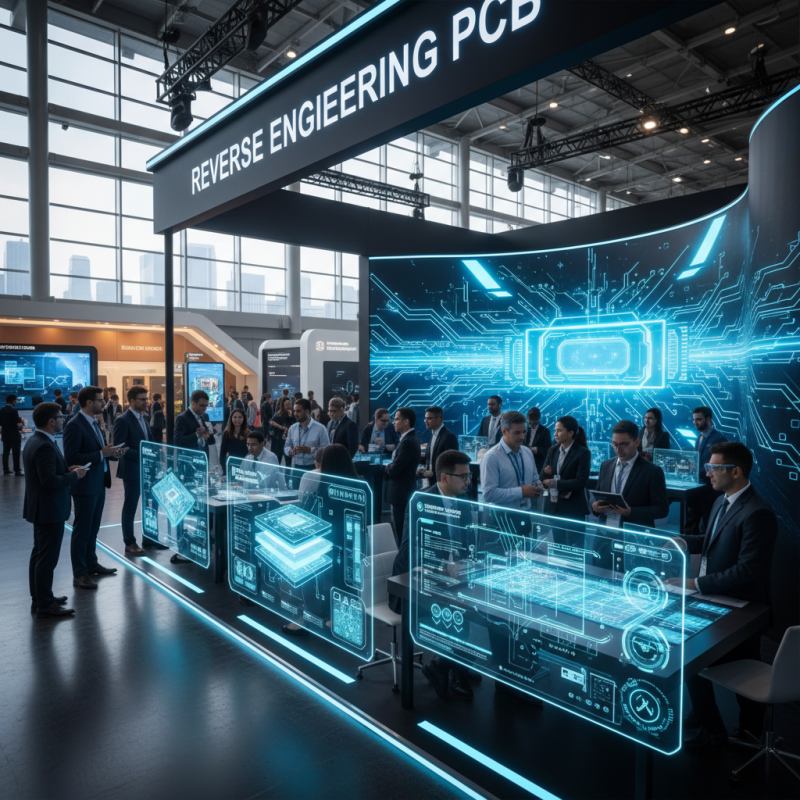
As the 2026 Canton Fair approaches, businesses have a unique opportunity to explore the benefits of Reverse Engineering Pcb. This method not only enhances product development but also boosts competitiveness in the fast-paced electronics market. At the fair, professionals will gather from various sectors, including advanced manufacturing and electronics. Here, reverse engineering PCB can offer insights into existing designs, paving the way for innovation.
Participants can leverage AI features, like smart navigation and targeted searches, to identify suppliers well-versed in reverse engineering techniques. This strategic approach can lead to significant efficiencies. While the fair showcases cutting-edge advancements, the value of understanding and improving upon existing technologies should not be overlooked. Reverse engineering PCB may lead to innovations and help businesses redirect efforts toward more effective solutions.
Embracing this knowledge at the Canton Fair can create possibilities. However, businesses must remain critical of their methods and consider potential pitfalls. The journey of innovation is often fraught with challenges, and reflection is essential for growth. Event attendees should prepare to engage deeply with the concept of reverse engineering PCB, ensuring they maximize their experience to achieve lasting benefits.
Understanding Reverse Engineering PCB: A Definition and Overview
Reverse engineering PCB involves analyzing circuit boards to understand their design and functionality. It has become essential in various industries. Companies often use this process to improve their products and reduce costs. By dissecting existing boards, engineers uncover efficient designs and materials. This knowledge can help streamline production processes.
Attending the 2026 Canton Fair offers a unique opportunity to explore reverse engineering PCB techniques. Businesses can network with experts in this field. Analyzing trends and innovations showcased at the fair can inspire new ideas. Collaborating with like-minded professionals could lead to advancements in PCB design. However, it is important to approach such collaborations carefully. Not every idea will fit seamlessly into a business model.
Engaging in reverse engineering can also present challenges. It requires a deep understanding of electronic components and their interconnections. Companies may struggle to keep up with rapid technology changes. Sometimes, the insights gained can lead to inefficient applications. Reflecting on these potential missteps is crucial for growth. Identifying and addressing such issues can drive improvement in future projects.
Benefits of Reverse Engineering PCB for Businesses at Trade Shows
Reverse engineering printed circuit boards (PCBs) offers significant advantages for businesses attending trade shows like the 2026 Canton Fair. By understanding design intricacies, companies can innovate more efficiently. A report by the International Journal of Electronics and Telecommunications states that 75% of companies that adopt reverse engineering enhance their product designs within a year. This practice not only fosters creativity but also leads to improved functionality.
At trade shows, showcasing reverse-engineered prototypes enables businesses to stand out. Engaging designs attract attention and stimulate discussions with potential partners. However, some companies overlook the complexities involved. In a recent survey by TechInsights, 60% of firms admitted to facing challenges when incorporating reverse engineering into their workflow. It requires a meticulous balance between replication and originality.
Moreover, feedback from trade show attendees can be invaluable. Their insights might reveal unforeseen aspects of a product. Yet, many businesses fail to capitalize on this human element. Only 40% actively seek feedback during these events. This lack of engagement can result in missed opportunities to enhance their designs and market presence. Exploring these flaws can lead to better strategies in the dynamic environment of trade shows.
How Reverse Engineering PCB Can Benefit Your Business at 2026 Canton Fair?
| Benefit | Description | Impact on Business |
| Cost Reduction | Identify more cost-effective components and manufacturing processes. | Lower overall production costs and improved profit margins. |
| Competitive Edge | Gain insights into competitor products and technology. | Enhance product features and quality to outperform competitors. |
| Faster Time to Market | Speed up the design process by using proven layouts. | Launch new products swiftly, capturing market opportunities. |
| Innovation | Inspire new ideas based on benchmarking existing technologies. | Drive growth through the development of unique and advanced products. |
| Quality Improvement | Evaluate and enhance existing products based on PCB analysis. | Increase customer satisfaction and reduce return rates. |
Key Techniques in Reverse Engineering PCB for Competitive Advantage
Reverse engineering printed circuit boards (PCBs) has become a vital practice for many businesses. At the 2026 Canton Fair, using this technique can give companies a significant edge. Key techniques include analyzing the PCB’s layout and components. This can reveal valuable insights into product design.
Businesses need to take a closer look at their competitors’ PCBs. By using scanning tools, they can capture details accurately. It’s not always easy, though. Sometimes the technology can fail. Here, maintaining a flexible mindset is crucial. Companies can learn from their setbacks and adjust their approach.
Another essential technique is component analysis. Understanding how individual parts function together can foster innovation. It also allows for cost-effective alternatives. However, reverse engineering is not without challenges. It can be time-consuming and often unpredictable. Adapting to these hurdles can lead to better strategies in the long run.
Case Studies: Successful Implementation of PCB Reverse Engineering
Reverse engineering PCB can offer significant advantages for businesses. At the 2026 Canton Fair, companies can showcase how this process enhances their product design and development. For example, a small electronics firm reverse-engineered a competitor’s circuit board. They identified key components that improved their product's efficiency and reduced production costs by 20%. This led to better market positioning and increased sales.
Another case involved a medical technology company. They used reverse engineering to analyze a critical component in a competitor’s device. Understanding the design flaws allowed them to innovate their product, making it more user-friendly and reliable. They experienced a surge in consumer trust, which boosted their reputation.
Consider these tips: Identify specific goals before starting the reverse engineering process. Focus on gathering detailed data about the PCB layout and components. Always evaluate your findings critically. A thorough analysis will highlight areas for improvement. Reflect on your approach and adjust as necessary. These steps can help refine your business strategies and product offerings.
Networking Opportunities at 2026 Canton Fair for PCB Innovators
Attending the 2026 Canton Fair offers PCB innovators significant networking opportunities. This event gathers professionals from numerous sectors. It’s a unique chance to connect with other innovators. You can share ideas and discuss trends in PCB technology. The fair fosters collaboration, enabling attendees to form valuable partnerships. Making these connections can lead to new projects and growth.
Tips: Prepare your elevator pitch. Keep it concise and clear. Highlight your strengths and intentions when meeting others.
Engaging in conversations is crucial. Create genuine connections instead of just handing out business cards. Approach discussions with openness. Be willing to listen and learn from others. This approach may lead to unexpected collaborations. Reflect on your interactions afterward to improve future engagements.
Networking can be imperfect. Not every connection will lead to opportunities. You may feel shy or hesitant. Embrace these challenges. They are part of the process. Keep trying and expanding your network.