What is the Shelf Life of Chocolate and Expiration Date?
Chocolate is a beloved treat enjoyed worldwide, yet many consumers overlook its shelf life and expiration dates. According to a report by the National Confectioners Association, chocolate can last for months or even years if stored correctly. However, "Chocolate expiration" is a critical factor that influences flavor and texture.
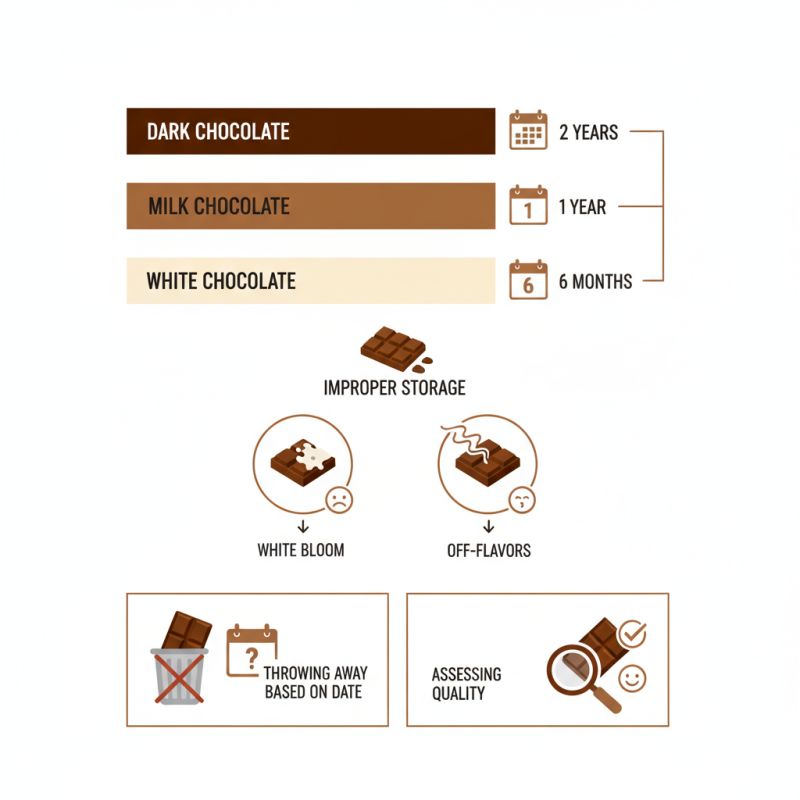
Different types of chocolate have varying lifespans. Dark chocolate can last up to two years, while milk chocolate typically lasts around one year. White chocolate has the shortest lifespan, often expiring within six months. Improper storage can lead to problems such as white bloom or off-flavors. These changes may not necessarily indicate the chocolate is unsafe, but they can affect the quality.
Understanding chocolate expiration is essential for both consumers and retailers. Many people throw away chocolate past its expiration without knowing its condition. A more informed approach could reduce waste and enhance enjoyment. Observing the signs of aging can help one assess quality rather than relying solely on dates. Exploring these aspects is a step towards appreciating this delightful indulgence even more.
What is the General Shelf Life of Different Types of Chocolate?
Chocolate comes in various types, each with its own shelf life. Dark chocolate typically lasts the longest. Studies show it can remain good for two to four years when stored properly. Its high cocoa content and lower milk content help preserve it. On the other hand, milk chocolate has a shorter shelf life. It generally lasts about one year due to its dairy ingredients, which can spoil more quickly.
White chocolate is another story. Its shelf life is about six to nine months because it lacks cocoa solids. These types of chocolate often have a higher sugar content, which may extend their usability. However, they can develop off-flavors and textures after the expiration date.
Tips: Store chocolate in a cool, dry place to maximize freshness. Keep it away from strong odors, as chocolate absorbs scents easily. If you notice any discoloration or unusual textures, consider discarding it. Always check the expiration date for a better experience. Chocolate can be finicky; even small changes in conditions can affect its quality.
Factors Affecting the Shelf Life of Chocolate Products
The shelf life of chocolate varies based on several factors. Different ingredients cause different impacts on longevity. For instance, dark chocolate can last up to two years. Milk chocolate generally has a shorter shelf life, lasting around one year. White chocolate's expiration is typically around six months.
Storage conditions play a crucial role. Humidity can lead to sugar bloom, affecting the texture. Temperature variations can also cause chocolate to develop undesired flavors. Experts suggest keeping chocolate in a cool, dry place away from sunlight. A report from the Cocoa Association states that temperature stability is key for optimal freshness.
Tips:
- Always check for signs of spoilage. Look for unusual odors or textures.
- Avoid the fridge unless absolutely necessary. Cold temperatures can create condensation, ruining the chocolate.
- Consume chocolate regularly to enjoy its full flavor.
Remember, even well-stored chocolate can lose its quality over time.
How to Properly Store Chocolate for Optimal Freshness
Proper storage is key to maintaining chocolate's freshness. Chocolate should be kept in a cool, dry place. Ideal temperatures range between 65°F and 70°F (18°C to 21°C). High humidity can lead to sugar bloom, affecting texture and taste. A study by the Chocolate Association indicates that chocolate can lose its freshness within six months if improperly stored.
Avoid the fridge unless necessary. Refrigeration can cause condensation, which ruins chocolate quality. Instead, use an airtight container to protect from air exposure. This method can extend freshness for years. According to experts, dark chocolate generally lasts longer than milk chocolate due to its lower moisture content. Milk chocolate may only stay fresh for about a year.
Moreover, never expose chocolate to strong odors. Chocolate easily absorbs smells from its surroundings. A recent survey found that 30% of consumers reported unpleasant changes in taste due to poor storage. Remember, quality matters. Store chocolate wisely for the best experience.
Understanding Expiration Dates vs. Best By Dates in Chocolate
When it comes to chocolate, understanding expiration dates versus best by dates is crucial. Expiration dates signify when a product is no longer considered safe to eat. These dates are often found on perishable items. In contrast, best by dates indicate when a product will be at its best quality. Chocolate can still be consumed past this date if stored properly.
Storage plays a significant role in chocolate's longevity. Keeping chocolate in a cool, dark place can extend its shelf life. Look for signs of aging, like a dull surface or a white powdery coating. This bloom does not mean the chocolate is bad. It may affect texture, but taste should remain intact. However, not everyone enjoys the altered experience.
Chocolate's magical quality can fade over time. The richness may diminish, leaving a bland taste. It’s important to taste it yourself. Sometimes, a small bite reveals more than a date. So, trust your senses. Use them as a guide for enjoying chocolate at its finest, even after the best by date has passed.
Signs of Spoilage: How to Tell if Chocolate Has Expired
Chocolate can last a long time, but it’s essential to know when it has expired. Signs of spoilage are crucial to identify. Look for changes in texture or color. If it gets white, it doesn’t mean it’s bad, but it may lose taste. A strong odor or off-smell is a warning sign. This indicates that the chocolate may not be safe to eat.
When chocolate feels too dry or crumbly, it might be expired. If it crumbles easily, discard it. Biting into chocolate that tastes stale can be disappointing. Always trust your senses. Use your sense of smell and sight before indulging.
Tip: Store chocolate in a cool, dry place. Heat and moisture can speed up spoilage. Check the expiration date but remember that it can still be good after that. Always try a small bite first if you’re unsure. If it tastes off, toss it out.