Essential Tips for Building Effective Networking Infrastructure?
Building a robust networking infrastructure is crucial for any organization. It ensures smooth communication and data transfer. A well-designed network can improve efficiency and support growth. However, creating this infrastructure comes with challenges. Many companies overlook critical aspects, leading to performance issues.
When establishing networking infrastructure, it’s essential to consider various elements. Hardware selection plays a vital role. Choosing the right routers and switches affects network speed and reliability. Additionally, planning for scalability is often ignored. Networks need to adapt to increasing demands without overhauls.
Regular maintenance and updates are necessary to keep systems functioning optimally. Yet, some organizations neglect this. They often face downtime and security risks as a result. Reflecting on these factors can help adjust strategies. Taking the time to analyze current setups can prevent future problems. It is crucial to prioritize building an effective networking infrastructure for lasting success.

Understanding the Basics of Networking Infrastructure Design
When designing networking infrastructure, understanding the basics is crucial. Start with a clear layout. Identify the right hardware for your needs. Routers, switches, and servers play vital roles. Consider scalability. Networks should grow with your organization. If you invest in the wrong technology, it may lead to expensive overhauls later.
Next, focus on reliability. Redundant paths can prevent downtime. A single point of failure can disrupt services. Create a plan to regularly monitor and maintain the network. This helps catch issues early. Cybersecurity is another key aspect. Protecting data should be a priority. Regular audits can reveal vulnerabilities.
Documentation is essential but often overlooked. Keep track of configurations and changes. This ensures smoother troubleshooting. Reflect on feedback from users. Their insights can guide improvements. Balancing performance and cost is a challenge. Remember that perfection in design is a moving target. Embrace the opportunity to refine your network as technology evolves.
Key Components of an Effective Networking Infrastructure
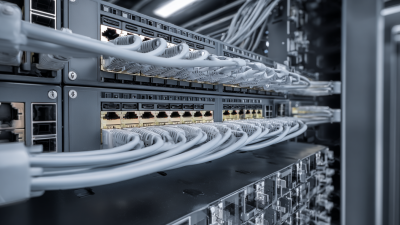
Building an effective networking infrastructure requires careful planning and the right components. Routers and switches are crucial. Routers connect different networks, while switches connect devices within a network. These two define the core functionality. Without them, communication breaks down.
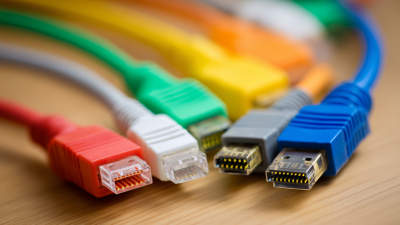
Cabling is another key element. Using quality cables can enhance performance. Cat6 cables can handle higher speeds compared to Cat5. Proper installation is essential. Poorly laid cables can lead to signal interference and reduce efficiency. It’s easy to overlook this aspect, but it can’t be ignored.
Security components also play a critical role. Firewalls protect against external threats. Intrusion detection systems monitor suspicious activity. Neglecting these parts can leave the network vulnerable. Sometimes, these measures feel excessive, but they provide peace of mind. Regular assessments can unveil weaknesses. It's important to consistently review and improve the infrastructure.
Strategies for Ensuring Scalability and Flexibility in Networks
Building a scalable and flexible networking infrastructure is crucial for modern businesses. A well-designed network should adapt to changing demands. Start by assessing your current network. Identify bottlenecks and points of failure. Consider how many devices connect to your network. More devices often mean more complexity.
Use a modular design. This allows for growth without significant disruptions. When adding new components, ensure compatibility with existing ones. Virtualization can also help. It allows multiple virtual networks to run on a single physical infrastructure. However, managing virtual spaces can be challenging. Regular reviews are essential to maintain efficiency.
Monitor network performance continuously. Issues can arise unexpectedly. Having a proactive approach helps in identifying problems early. Solicit feedback from users about their experience. This information is invaluable for making necessary adjustments. Flexibility in networking is not just about technology; it's about understanding user needs.
Essential Tips for Building Effective Networking Infrastructure
Best Practices for Network Security and Data Protection
Building a robust networking infrastructure requires a focus on security and data protection. Effective practices can significantly reduce vulnerabilities. Start by implementing a strong firewall to control incoming and outgoing traffic. Regularly update all software and systems to close security gaps. This is vital, as outdated systems are a common entry point for cyber threats.
Passwords are another critical area. Encourage users to create strong, unique passwords for different accounts. Implement multi-factor authentication wherever possible. This extra layer of security can prevent unauthorized access. Additionally, establish a clear policy for data access. Not all employees need access to sensitive information. Limiting this access can mitigate risks.
Monitoring network activity is crucial, but it is often overlooked. Regular audits can help identify potential weaknesses. However, remember that security is not a one-time task. It requires continuous effort and learning. Reflect on past incidents to avoid repeating mistakes. Stay agile in response to new threats, as the landscape is always evolving.
Essential Tips for Building Effective Networking Infrastructure
| Best Practice |
Description |
Importance |
Implementation Tips |
| Regular Software Updates |
Keeping software and firmware updated to patch vulnerabilities. |
High |
Schedule updates during low-traffic hours. |
| Network Segmentation |
Dividing the network into segments to enhance security. |
High |
Use VLANs to logically separate network traffic. |
| Firewalls and Intrusion Detection Systems |
Implementing firewalls and IDS to monitor and protect the network. |
Critical |
Regularly update rules and review logs for anomalies. |
| Data Encryption |
Using encryption to protect data in transit and at rest. |
Essential |
Choose strong encryption protocols such as AES. |
| User Education and Awareness |
Training users on security best practices to reduce risks. |
Important |
Conduct regular training sessions and simulations. |
Utilizing Emerging Technologies for Enhanced Networking Solutions
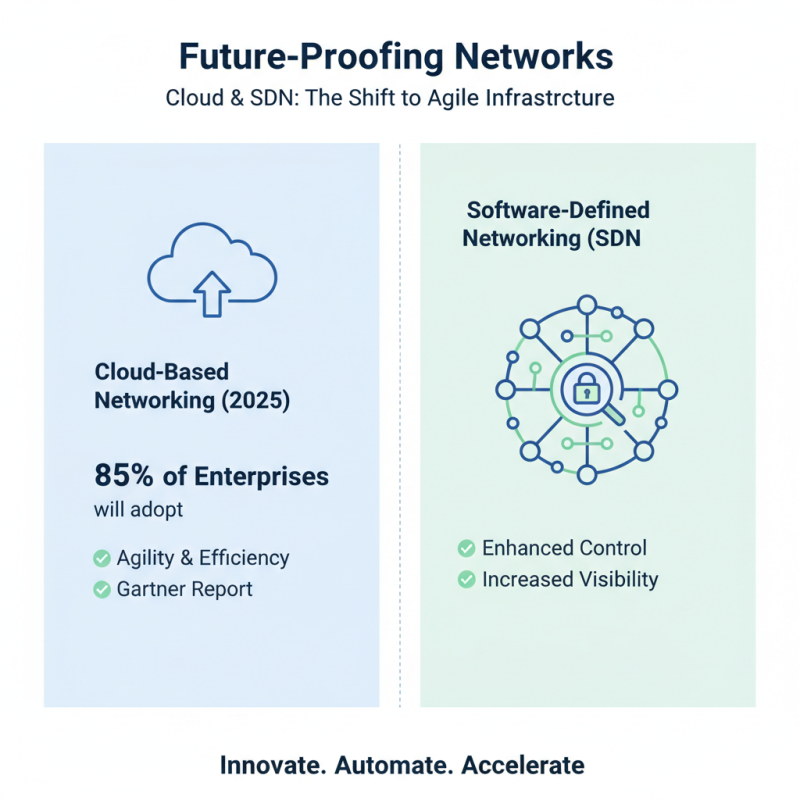
In today's digital age, organizations must leverage emerging technologies to strengthen their networking infrastructure. According to a recent report by Gartner, 85% of enterprises will embrace cloud-based networking solutions by 2025. This trend is not merely about adaptation; it reflects a shift towards agility and efficiency. Utilizing software-defined networking (SDN) could enhance control and visibility. It might address some of the inefficiencies typically found in traditional setups.
Additionally, the integration of artificial intelligence (AI) into networking systems is becoming essential. AI can optimize network performance and predict failures. However, a recent survey indicated that only 30% of companies actively use AI for network management. This gap highlights a reluctance to fully embrace technology. Organizations must rethink their strategies and invest in AI capabilities.
Moreover, there are challenges with implementing these technologies. Some staff may lack training, limiting the potential benefits. A recent study found that 70% of IT teams feel unprepared for emerging technology. This lack of preparation could lead to resource misallocation. It's a reminder that technology alone isn't enough; skilled personnel are equally necessary for success.