Top AC EV Chargers to Discover at 2026 Canton Fair?
At the 2026 Canton Fair, the spotlight on AC EV Chargers is likely to attract significant attention. With the shift towards electric vehicles, these chargers play a crucial role in enhancing accessibility for EV users. As industry expert Dr. Emily Zhao emphasizes, “The growth of AC EV Charger technology is vital for a sustainable future.”
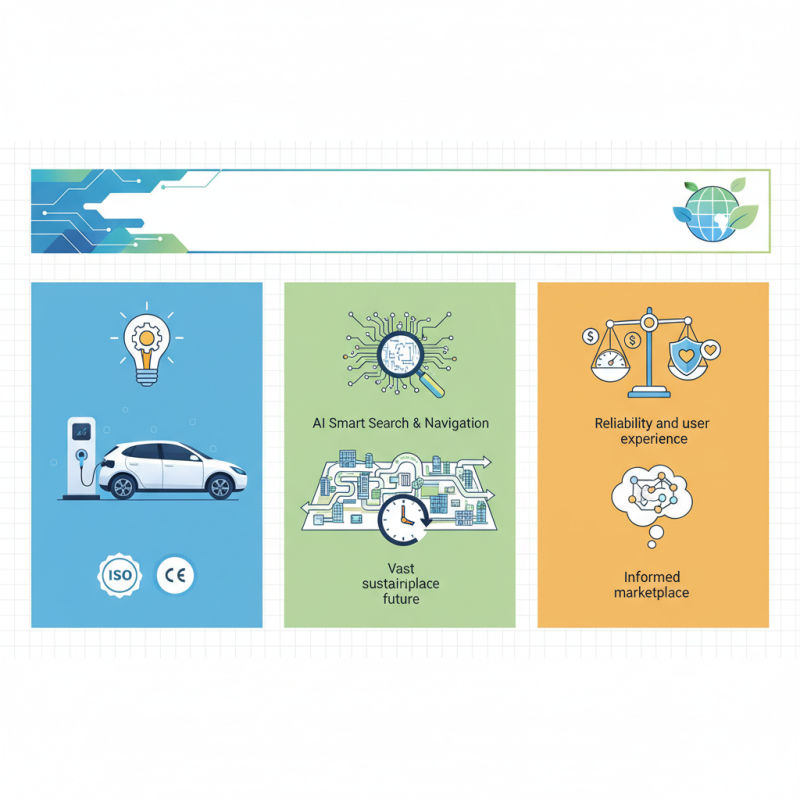
This event, spanning from April 15 to May 5, showcases innovative solutions in advanced manufacturing and electronics. Many suppliers will feature AC EV Chargers that meet specific qualifications, including ISO and CE certifications. The integration of AI smart search and navigation will help buyers efficiently locate top suppliers in a vast 1.55 million square meter space.
However, challenges remain. Not all suppliers maintain the same quality standards as they claim. Buyers must be vigilant. The focus on AC EV Chargers should include an emphasis on long-term reliability and user experience—not just speed and cost. Engaging deeply with these products will foster a more informed marketplace.
The Rise of AC EV Chargers in the Electric Vehicle Market
The electric vehicle market is shifting rapidly. AC EV chargers are gaining popularity among consumers. They offer a practical solution for everyday charging needs. As more companies focus on sustainability, the demand for these chargers is rising.
At the Canton Fair, attendees will discover various AC EV chargers designed for different settings. Some models are compact and suitable for home garages. Others are built for public spaces, with robust features. However, not all chargers are created equal. Some lack essential safety certifications, raising concerns. Buyers must be mindful and research features before making purchases.
The growth of AC EV chargers reflects a larger trend in the EV market. As charging technology evolves, so do consumer expectations. Faster, more reliable chargers are now a priority. However, the supply chain still faces challenges. Many manufacturers struggle with sourcing quality components. This can lead to delays and inconsistent performance. Prospective buyers should remain vigilant about these issues.
Key Features to Look for in AC EV Chargers at the 2026 Canton Fair
The 2026 Canton Fair promises a showcase of innovative AC EV chargers. When exploring these chargers, focus on key features that enhance usability and efficiency. Speed is a significant factor. Look for chargers with varying output levels. Offering options from standard to fast charging can cater to different needs.
User-friendly interfaces are essential. A touchscreen display can simplify operations, providing real-time data. Consider the compatibility with various EV models. Not all chargers work with every vehicle, so ensure broad compatibility is a priority. Charging stations should also be durable; weather resistance is a valuable characteristic for outdoor installations.
Safety features are crucial yet often overlooked. Automatic shut-off mechanisms can prevent overcharging. Surge protection adds another layer of reliability. Some designs may seem complicated or lack intuitive systems, which can deter users. Reflecting on these aspects can lead to better choices. A well-equipped charger can significantly enhance the EV charging experience.
Global EV Charging Infrastructure Trends and Market Data Analysis
The global EV charging infrastructure is evolving rapidly. At the 2026 Canton Fair, several trends are noteworthy. One key trend is the increase in AC chargers, which are becoming more common in urban areas. They offer a cost-effective solution for overnight charging, making them popular among EV owners.
Tips: Consider the location when choosing a charger. Accessibility is essential. Also, look into the power output, as it affects charging speed.
Another trend is the rise in smart charging technology. This allows users to monitor and manage charging remotely. It enhances convenience and can lead to cost savings. However, not every charging station has this feature yet. Some older models lack smart capabilities, which may be frustrating.
Tips: Research local charging stations. Check their tech offerings. This can save you time and prevent future issues. Always be aware of your vehicle’s charging compatibility.
Comparative Study of Leading AC EV Charger Brands at the Canton Fair
As the 2026 Canton Fair approaches, the focus on AC electric vehicle (EV) chargers intensifies. Multiple brands are vying for attention, showcasing advancements in technology and design. This creates a unique opportunity for businesses and consumers alike. Attendees can expect to see innovative features that improve user experience and efficiency. However, not all products meet the same standards. Some chargers may lack critical safety certifications. This is an important aspect to consider.
Among the notable features displayed will be charging speed and compatibility with various EV models. Manufacturers often market impressive fast-charging capabilities. But, in practice, real-world performance can differ. Evaluating this can be tricky. Attendees should look for real user reviews or tests. They often reveal nuances that official promotions do not highlight.
Many models will emphasize eco-friendliness. Outlets with sustainable materials are gaining traction. Yet, the actual impact on the environment is worth questioning. Are they as green as claimed? The Canton Fair will undoubtedly provide a platform for dialogue regarding these issues. It remains crucial to critically assess each product's claims as well as its performance.
Top AC EV Chargers at 2026 Canton Fair
Future Innovations in AC EV Charging Technology and Consumer Adoption
The electric vehicle (EV) market is evolving rapidly. AC EV charging is gaining traction among consumers. Innovative technologies are set to enhance the charging experience. Automation and smart grid technologies are making charging more efficient. Users can monitor charging sessions remotely via apps. This convenience fosters greater consumer adoption.
Tips: Consider the location of chargers. Proximity to popular destinations can boost usage. Look for chargers that offer fast charging options, reducing wait times for drivers. Voice integration in charging stations is also emerging gradually. It will offer hands-free convenience.
The trend towards renewable energy integration is noteworthy. Many charging stations may soon utilize solar power. This shift could appeal to environmentally conscious consumers. However, battery technology needs improvement. Current options may not provide enough range for long trips. As innovations unfold, the market will need to adapt and reflect on these limitations.