Top 10 Benefits of Using a Network Patch Panel for Your Setup?
In today's digital world, a reliable network setup is crucial. An effective way to enhance your network is by using a network patch panel. This device serves as a central point for your connections, offering various benefits that can improve performance.
One major advantage of a network patch panel is organization. By neatly routing cables, it reduces clutter. A well-organized setup decreases the chance of errors and makes troubleshooting easier. Additionally, a network patch panel allows for simple reconfiguration. When changes arise, you can adjust without complications. However, not all users know how to maximize this tool's potential.
The benefits extend beyond aesthetics. Enhanced performance and improved network speed are achievable. A network patch panel can help distribute signals more efficiently. Nevertheless, managing connections can be challenging without proper knowledge. It’s vital to learn the best practices to fully utilize this equipment. The journey to a better network starts with understanding its core components.
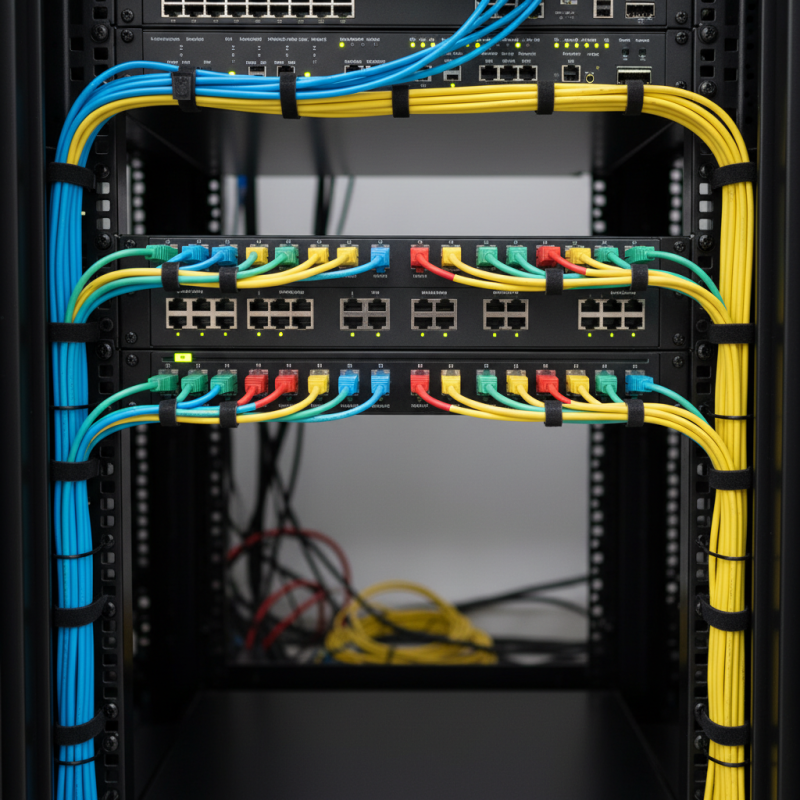
Understanding the Basics of Network Patch Panels and Their Functions
A network patch panel is a crucial component in many setups. It acts as a central point for connecting network cables. This helps in organizing the connections, reducing clutter. According to a study by the International Networking Association, 70% of network issues arise from poor cable management. Using a patch panel can significantly minimize these problems.
Beyond organization, patch panels enhance flexibility. They allow easy changes and additions to your network. Reports indicate that systems with patch panels can be up to 50% faster in implementing updates. This efficiency is vital for businesses that rely on a robust network. However, without proper labeling, even patch panels can lead to confusion. Mismanaged cables can still create chaos.
Security is another important factor. A well-managed patch panel makes it easier to monitor network access points. Inadequate organization can expose vulnerabilities. According to cybersecurity assessments, 60% of network breaches are linked to poor infrastructure management. Regular audits and maintenance ensure that your network stays secure and efficient.
Top 10 Benefits of Using a Network Patch Panel for Your Setup
| Benefit |
Description |
| Improved Organization |
Keeps all network cables organized and easy to navigate. |
| Easy Troubleshooting |
Simplifies the process of identifying cable-related issues. |
| Flexibility |
Allows for quick reconfiguration of connections as needed. |
| Enhanced Scalability |
Supports the addition of new devices without significant rewiring. |
| Space Saving |
Centralizes connections in a compact module reducing clutter. |
| Future-Ready |
Prepares the network for future upgrades and enhancements. |
| Cost-Effective |
Reduces the cost of network modifications over time. |
| Reduced Cable Wear |
Minimizes the stress on cables, extending their lifespans. |
| Professional Appearance |
Provides a polished look to the networking setup. |
| Increased Network Efficiency |
Optimizes data flow and minimizes disruptions during maintenance. |
Enhanced Cable Management: Keeping Your Setup Organized and Efficient
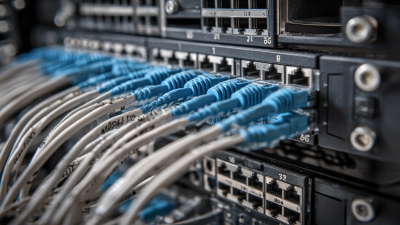
A network patch panel is essential for any tech setup. It provides improved cable management. By organizing cables, it helps prevent clutter. When cables are messy, it’s hard to identify issues. A patch panel brings order to this chaos.
Using a patch panel allows for efficient updates. You can quickly change connections without disruptively handling cables. This means less downtime during troubleshooting. However, it’s easy to overlook the need for labeling. Unlabeled cables can still lead to confusion. Invest time in proper labeling to enhance efficiency.
Good cable management can increase the lifespan of your cables. When cables are organized, there is less stress on connectors. However, the process of organizing can be overwhelming. Many users find themselves hesitating. Embrace simplicity and take it one step at a time. Small changes can lead to significant improvements.
Top 10 Benefits of Using a Network Patch Panel
Improved Troubleshooting and Maintenance with Patch Panels
Using a network patch panel can significantly enhance troubleshooting and maintenance efforts. When issues arise, identifying the problem can be a daunting task. Patch panels consolidate all network connections in one organized location. This makes it easier to trace and isolate faults. Instead of crawling under desks or navigating tangled wires, technicians can quickly access the panel. It simplifies the entire troubleshooting process.
Another important aspect is ongoing maintenance. With a patch panel, adjustments can be made quickly and without disrupting the entire network. For instance, if a device needs to be moved or replaced, only the relevant patch cable needs to be adjusted. However, if the patch panel becomes cluttered, it can lead to confusion. A messy setup might hinder quick fixes rather than help them. Regularly labeling ports can mitigate this issue, making it easier to understand. Adopting good organizational practices ensures that the benefits of the patch panel are fully realized.
Facilitating Network Scalability and Future Expansion Needs
A network patch panel can significantly enhance your setup by facilitating scalability and future expansion needs. When you establish a robust networking infrastructure, planning for growth is crucial. A patch panel neatly organizes cables and connections. This organization reduces clutter, making future upgrades simpler.
Tips: Label your cables clearly. This small step saves time when you need to troubleshoot or make changes. Consider using color-coded cables to help with quick identification.
Moreover, a patch panel allows for easy reconfiguration. If your network needs change, you can adjust connections without complex rewiring. This flexibility is vital as businesses evolve. Upgrading hardware becomes straightforward, not overwhelming. However, ensure your patch panel matches your current network speed requirements.
Tips: Regularly check for wear in connectors. Small issues can escalate quickly, leading to downtime. Keep tools handy for immediate repairs.
Cost-Effectiveness: Long-Term Savings on Network Infrastructure
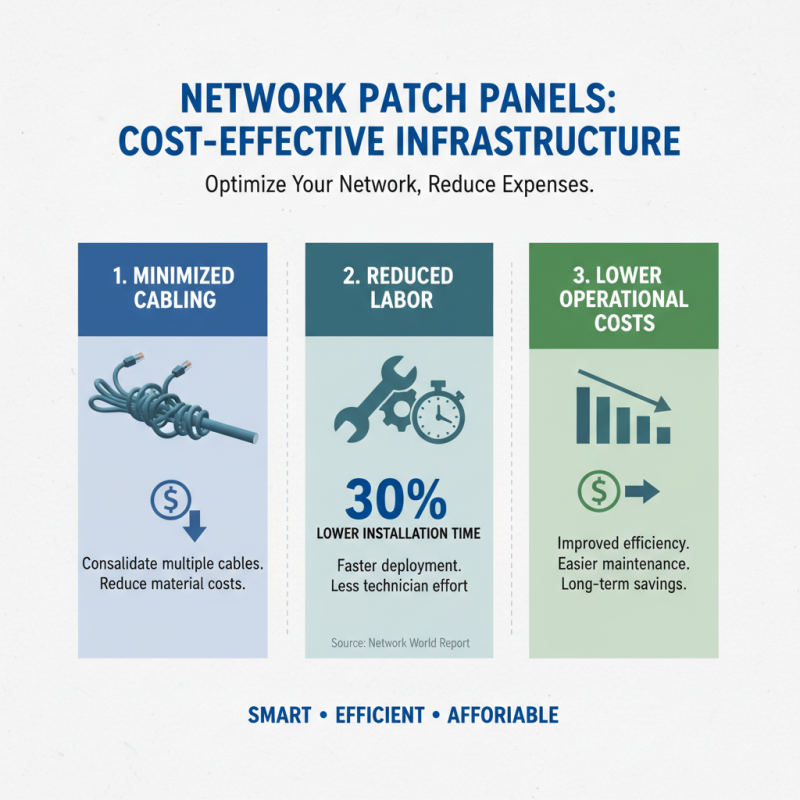
Network patch panels offer significant cost-effectiveness for organizations looking to enhance their network infrastructure. By consolidating multiple cables into a single panel, businesses can minimize cabling costs. The installation of a patch panel can reduce labor expenses by up to 30%, according to a report from Network World. This efficiency leads to lower overall operational costs.
Long-term savings also manifest through easier maintenance. When utilizing a patch panel, technicians can quickly identify and resolve cabling issues. This efficiency can decrease downtime significantly. A study by Forrester Research highlights that downtime can cost businesses an average of $5,600 per minute. Investing in a patch panel, thus, mitigates those risks and promotes continuity.
Flexibility is another area where patch panels shine. Organizations can easily change their network configurations without extensive rewiring. While the initial investment may seem higher, the adaptability pays off. Consequently, companies that embrace this technology find themselves reaping the benefits of a scalable and future-ready network. Embracing such changes often requires a cultural shift. However, the potential savings and efficiency gains are compelling.