Top 10 Bucket Hat Factory Manufacturers for Global Buyers?
The global demand for bucket hats has surged significantly in recent years. As a result, the Bucket Hat Factory sector is thriving. According to a 2022 industry report by Statista, the bucket hat market is expected to grow at a CAGR of 7.8% from 2023 to 2030. This growth presents both opportunities and challenges for manufacturers.
James Thompson, a leading expert in headwear manufacturing, noted, "Quality and innovation are crucial for success in the bucket hat industry." His insights underscore the importance of factories that prioritize sustainable practices. While many factories excel in production, few specialize in catering to diverse global markets.
Maintaining quality while scaling operations can be tricky. Not every Bucket Hat Factory adapts well to rapid changes in design trends. Some manufacturers face difficulties in sourcing materials that meet eco-friendly standards. As the market continues to evolve, addressing these challenges will be key to sustaining growth in this vibrant sector.
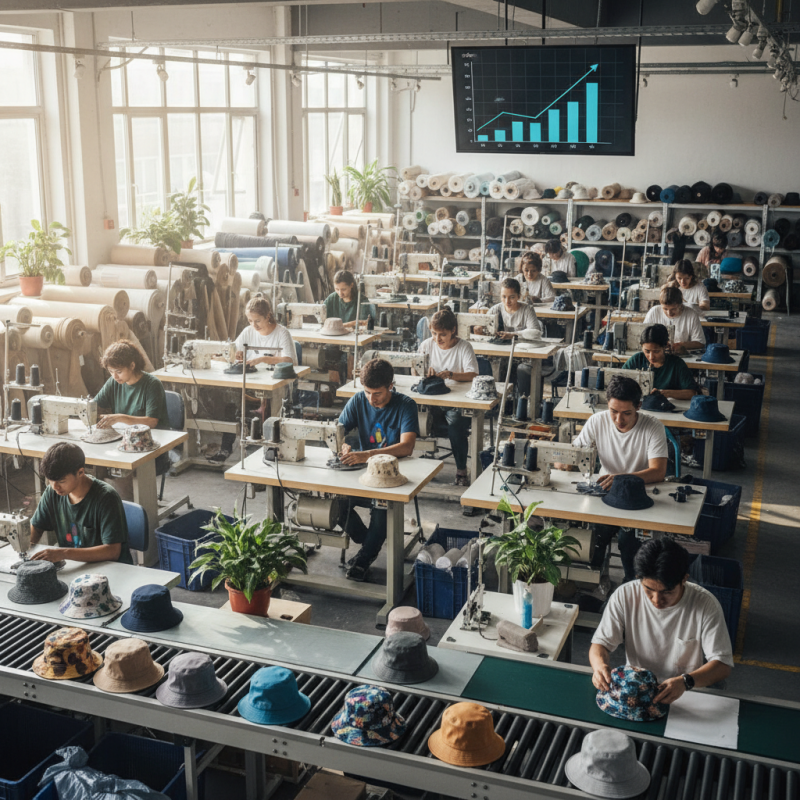
Overview of Bucket Hat Manufacturing Industry
The bucket hat manufacturing industry has seen significant growth in recent years. This trend is driven by fashion demands and outdoor recreation. Manufacturers focus on offering a variety of designs, materials, and colors. A mix of cotton, polyester, and recycled fabrics are commonly used. This diversity attracts a broader market range.
Quality control is a crucial element of the manufacturing process. Many factories implement strict guidelines to ensure durability and comfort. Run quality checks on the stitching and fabric integrity is essential. However, issues can arise from inconsistent supplier quality. This concern requires manufacturers to build strong relationships with reliable sources.
Sustainability also plays a pivotal role in current industry practices. Eco-friendly options are increasingly popular among consumers. Many manufacturers are making efforts to reduce waste and promote ethical production methods. Yet, achieving this balance remains a challenge. The demand for sustainable materials often exceeds supply capabilities. Consequently, some factories face difficulties in maintaining product standards while pursuing sustainability.
Criteria for Selecting Top Bucket Hat Manufacturers
When selecting top manufacturers for bucket hats, buyers should consider several key criteria. First, the production capacity is crucial. A manufacturer should be able to produce a sizeable volume without compromising quality. It is important to review their past performance and timelines. Gradually, quality checks become vital. A reliable factory consistently maintains high standards throughout the production process.
In addition, buyers should evaluate the materials used in manufacturing. High-quality fabrics not only enhance durability but also affect the overall appeal. Sustainable practices in sourcing materials can be a significant advantage. It's a point to consider when looking for credible partners. Flexibility in design options also matters. A manufacturer that can adapt to changing trends and customer preferences provides added value.
Lastly, communication plays a significant role. Clear channels ensure transparency throughout the manufacturing process. It's critical to establish good rapport before any commitment. Buyers often overlook the importance of post-delivery support. Reliable factories assist with after-sales service, reflecting their commitment to customer satisfaction. Consider these aspects carefully; they can significantly impact the partnership's success.
Detailed Profiles of Leading Bucket Hat Factory Manufacturers
When looking for bucket hat manufacturers, it’s essential to evaluate their expertise and reliability. Leading manufacturers often have years of experience in the apparel industry. Many specialize in providing high-quality products that cater to global trends. Their production facilities should meet international standards, ensuring safety and quality.
A good factory invests in skilled labor and efficient production processes. They focus on using sustainable materials to appeal to eco-conscious consumers. Additionally, they often have robust quality control measures in place. This ensures that each hat produced meets the expected design and durability standards. However, not all factories maintain these high standards, making it vital for buyers to conduct thorough research.
Reviews and testimonials can provide insight into a manufacturer’s reputation. Buyers should pay attention to past client experiences. Factors like communication, production timelines, and responsiveness are key. Sometimes, manufacturers may struggle with meeting deadlines or scaling production. These challenges can affect the overall partnership. Thus, fostering a transparent relationship with clear expectations can lead to better outcomes.
Global Distribution and Export Trends for Bucket Hats
The global bucket hat market is experiencing a notable shift in distribution and export trends. According to a recent market analysis, the demand for bucket hats has surged by over 25% in the last year alone. This growth is driven by consumers seeking stylish yet functional headwear, especially among younger demographics.
Manufacturers are adapting to global trends by diversifying their product lines and optimizing supply chains. Countries in Asia are leading production, accounting for nearly 40% of the total market share. Meanwhile, Europe and North America are emerging as key export destinations. Localized marketing strategies are essential to address cultural preferences in different regions.
Tips: Focus on quality materials that enhance comfort and durability. Keep an eye on fashion trends to align product offerings effectively. Engaging with customers through social media can provide insights into changing preferences.
While growth opportunities are abundant, challenges persist. Fluctuating raw material prices may affect production costs. It's vital for manufacturers to develop agile strategies to mitigate these risks. Staying informed about global economic indicators will help suppliers navigate uncertainties.
Top 10 Bucket Hat Factory Manufacturers - Production Volume Comparison
Future Trends in Bucket Hat Manufacturing and Design
The future of bucket hat manufacturing is evolving rapidly. Sustainability is a significant trend. Manufacturers are adopting eco-friendly materials. This shift responds to global demands. Increasing awareness about environmental impact drives this change. However, sourcing these materials can be challenging and costly. Brands may struggle to balance price and sustainability.
Design innovations enhance bucket hats' appeal. Tech-driven features like UV protection and moisture-wicking fabrics are becoming popular. These enhancements cater to a more health-conscious consumer base. Yet, relying on technology may lead to higher production costs. It’s essential for manufacturers to find that sweet spot between innovation and affordability.
Customization options are also gaining traction. Consumers desire unique designs that reflect their personalities. This demand pushes manufacturers to offer more personalized solutions. However, this can complicate manufacturing processes. Balancing efficiency with custom requests is a continuous challenge. The future landscape thus requires both creativity and strategic planning.
Top 10 Bucket Hat Factory Manufacturers for Global Buyers
| Rank | Country | Annual Production Capacity | Specialization | Export Markets |
| 1 | China | 5 million hats/year | Eco-friendly materials | North America, Europe |
| 2 | Vietnam | 3 million hats/year | Customized designs | Asia, Australia |
| 3 | Bangladesh | 2 million hats/year | Fashion accessories | Europe, Middle East |
| 4 | India | 1.5 million hats/year | Traditional styles | South America, Africa |
| 5 | Turkey | 1 million hats/year | Luxury materials | Europe, Asia |
| 6 | Cambodia | 800,000 hats/year | Casual wear | Asia, Africa |
| 7 | Mexico | 600,000 hats/year | Cultural designs | North America, Europe |
| 8 | Thailand | 500,000 hats/year | Beachwear | Australia, Japan |
| 9 | Pakistan | 400,000 hats/year | Outdoor gear | Europe, Asia |
| 10 | Philippines | 300,000 hats/year | Sustainable fabrics | United States, Canada |