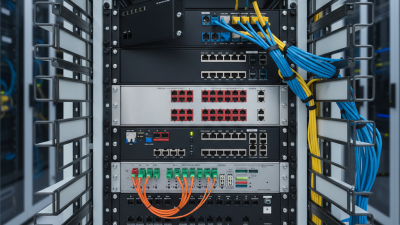
Top 5 Network Patch Panel Options for Your Setup?
When setting up a network, a reliable network patch panel is essential. It acts as a central hub for managing connections efficiently. Choosing the best options can be overwhelming, given the market’s variety. In this guide, we will explore the top five network patch panel choices suitable for different setups.
A network patch panel simplifies cable management and organization. It allows for tidy connections and easy troubleshooting. However, not all panels are created equal. Some may lack durability or compatibility with existing equipment. Evaluating your specific needs is crucial to making an informed choice.
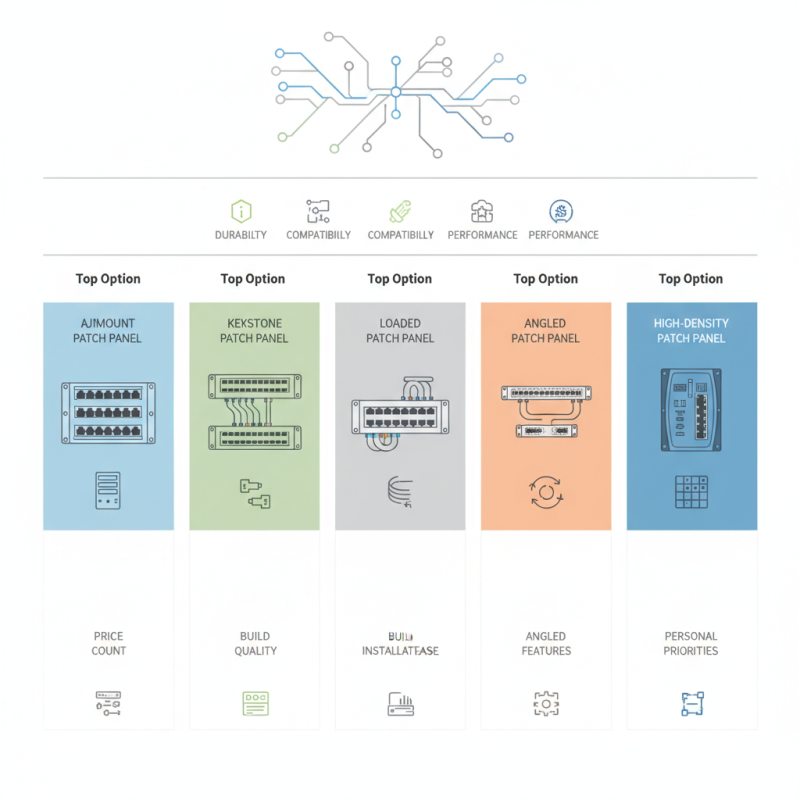
The right network patch panel can enhance your setup's performance. Yet, price and features can lead to confusion when selecting. Key factors such as port count, build quality, and installation ease should be considered. In the end, the choice might reflect personal priorities and even mistakes made in previous setups.
Overview of Network Patch Panels and Their Importance
Network patch panels play a crucial role in organized network setups. They serve as a hub that connects various network cables within a centralized location. According to a recent industry report, improperly managed cabling can lead to network downtime, affecting up to 80% of businesses. This highlights the importance of proper organization.
Patch panels enable easier management and troubleshooting of network connections. Without them, identifying issues becomes cumbersome. A survey showed that 70% of IT professionals believe that poor cable management directly impacts network efficiency. Furthermore, tactile feedback during cable insertion facilitates better setup and maintenance practices.
The choice of a patch panel must consider factors like port density and material quality. Not all panels meet the required standards. Many setups fail to accommodate future growth or technology changes. This can significantly hinder scalability. Developing a strong foundation for network infrastructure helps avoid these shortcomings and support evolving needs.
Key Features to Consider When Selecting a Patch Panel
Choosing the right patch panel for your network is crucial. There are several features to consider. First, think about the size. Standard rack-mounted options are common. They usually come in 1U or 2U sizes. Ensure your rack space aligns with the panel’s dimensions.
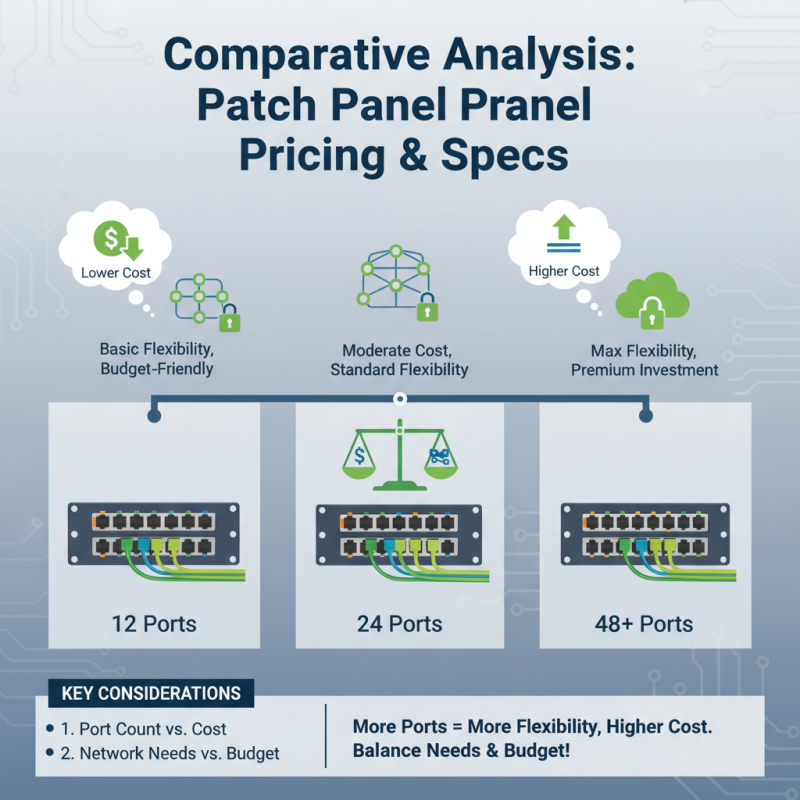
Next, consider the number of ports. Patch panels typically range from 12 to 48 ports. Selecting the right number is key. Too few can limit future growth. Too many can be wasteful. Think about your current and emerging connectivity needs.
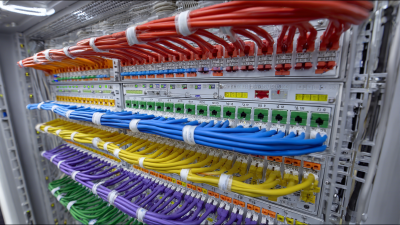
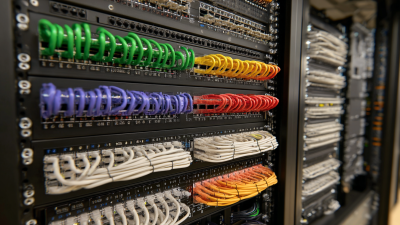
Material matters as well. Look for durable options that withstand daily usage. Also, check how easy it is to manage cables. Organized cable management increases efficiency. Visualize how your setup will look. Will it be neat? Or will it become a tangled mess? This is worth pondering.
Top 5 Network Patch Panel Options
Top 5 Recommended Network Patch Panels for Various Setups
When setting up a network, choosing the right patch panel is vital. Different setups require different solutions. For home users, a simple, smaller panel may suffice. These panels often hold fewer connections, but they keep things tidy and efficient.
For larger setups, consider a patch panel with more ports. This allows for future expansion and flexibility. A good practice is to leave some ports unused for growth. Pay attention to build quality. A well-constructed panel supports cables better and can prevent damage.
Also, cable management is crucial. A panel without organization can become a tangled mess. Labels on ports can help maintain clarity. As with any technical choice, revisit your needs periodically. What works today may not suffice tomorrow. Always assess your setup's requirements to ensure optimal performance.
Comparative Analysis of Patch Panel Pricing and Specifications
When choosing a network patch panel, pricing and specifications are crucial. You might find a wide range of options. Some panels have 12 ports, while others offer 48 or more. The more ports you have, the more flexibility your network gains. However, each increase in port count can significantly raise the cost. Budget constraints are real, and they can limit your choices.
Material quality also affects the price. Some panels use high-grade steel, while others may use lighter materials. Durability is an essential factor that shouldn't be overlooked. Cheaper panels may bend or break easily. You want something that can withstand installation and daily use. Additionally, always check whether the panel supports your current cabling standards. This ensures compatibility with your existing equipment.
Remember the wiring management features. Some patch panels include additional cable management systems. These can simplify your setup and keep things organized. Paying extra for these features may seem excessive. Yet, they can save time and headaches in the long run. Balancing price and functionality might take some trial and error. Take your time to compare; it’s worth it.
Installation and Maintenance Tips for Optimal Network Performance
When setting up your network, proper installation and maintenance of patch panels are crucial. According to a report by the Fiber Optic Association, nearly 70% of network issues stem from poor cabling practices. Regularly inspecting your patch panel can help prevent disruptions. Ensure connections are tight and labeled correctly. This minimizes confusion and potential downtime.
Opt for a clean and organized setup. Dust and debris can affect performance. Regular cleaning can enhance airflow and reduce overheating. A maintenance schedule, even if simple, can improve reliability. Even a well-installed patch panel can fail if neglected. According to industry data, systems that undergo routine maintenance have 50% fewer outages than those that don't.
Ensure your patch panel supports your usage scenario. Not all patch panels are created equal. Some setups may require more ports than anticipated. Take time to evaluate your needs. A well-planned installation can save time and resources in the long run. Missing out on good practices might lead to regrets down the line.
Top 5 Network Patch Panel Options for Your Setup
| Patch Panel Type |
Port Count |
Mounting Style |
Material |
Price Range |
| Cat6 Unshielded |
24 Ports |
Rack Mount |
Metal |
$50 - $70 |
| Cat6 Shielded |
48 Ports |
Wall Mount |
Metal |
$80 - $100 |
| Cat5e |
24 Ports |
Rack Mount |
Plastic |
$30 - $50 |
| Cat6a |
48 Ports |
Rack Mount |
Metal |
$90 - $120 |
| Fiber Patch Panel |
12 Ports |
Rack Mount |
Metal |
$100 - $150 |