Top Networking Solutions Tips for Better Connectivity?
In today's fast-paced digital landscape, effective networking solutions are crucial for organizations. According to a report by Cisco, businesses that invest in superior connectivity see up to a 20% increase in productivity. This statistic emphasizes the importance of leveraging the right tools and technologies. Yet, many companies still struggle with outdated systems that hinder performance.
Considering that 70% of IT leaders report connectivity as a critical challenge, it's clear that improvement is necessary. Many businesses fail to adapt to evolving networking solutions, which can lead to significant productivity loss. For instance, a poorly designed network can result in frequent downtime, causing frustration among employees. This situation calls for a reevaluation of current practices.
Organizations need to explore advanced networking solutions to stay competitive. The shift towards cloud technologies and IoT requires robust infrastructures. Embracing new strategies and tools can mitigate common issues, ensuring smoother workflows. However, the path to better connectivity is often littered with challenges, demanding ongoing reflection and action.

Understanding the Basics of Networking Solutions for Effective Connectivity
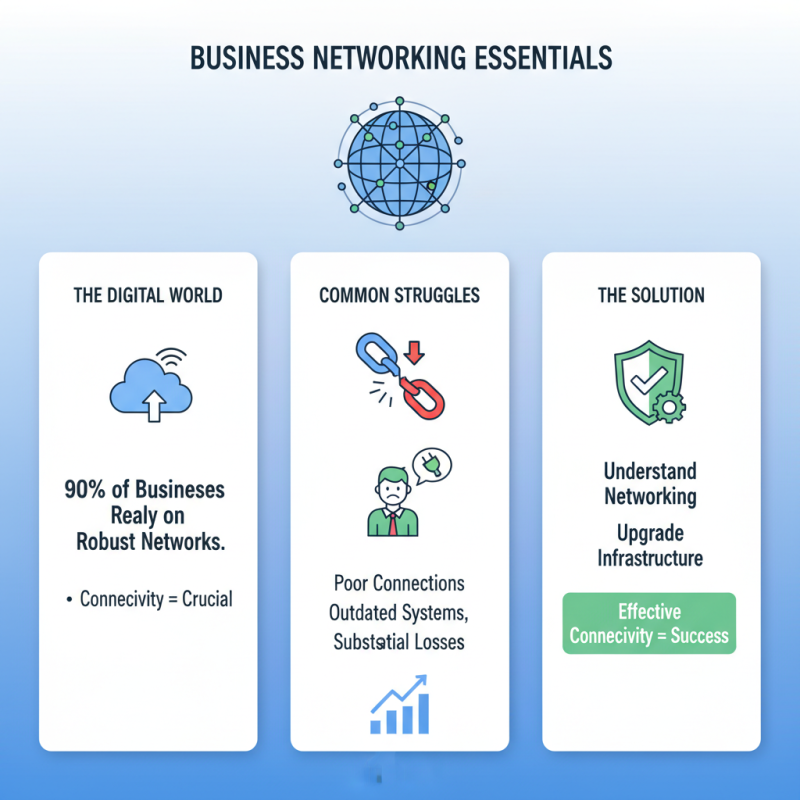
In today’s digital world, effective connectivity is crucial. Understanding networking solutions is the key. According to recent industry reports, nearly 90% of businesses rely on robust network infrastructure. Yet, many companies struggle with basic aspects of networking. Poor connections and outdated systems can lead to substantial losses.
A critical factor affecting connectivity is bandwidth. Studies indicate that 70% of users experience slow speeds. This hampers productivity and impacts customer satisfaction. Opting for scalable solutions can help address this. Investing in the right tools is essential for adapting to growing needs.
Network security is another aspect that requires attention. Reports reveal that 43% of cyberattacks target small businesses, highlighting vulnerabilities. Companies often overlook the importance of regular security audits, which can lead to data breaches. Understanding these basics can empower organizations to build a stronger network. This is not just about connectivity; it’s about ensuring safety and reliability in today’s interconnected landscape.
Key Factors Influencing Network Performance and Reliability
Network performance and reliability are critical for seamless connectivity. According to recent studies, nearly 75% of businesses report disruptions due to network issues. Key factors include bandwidth availability, latency, and hardware quality. If any of these elements falter, overall performance suffers.
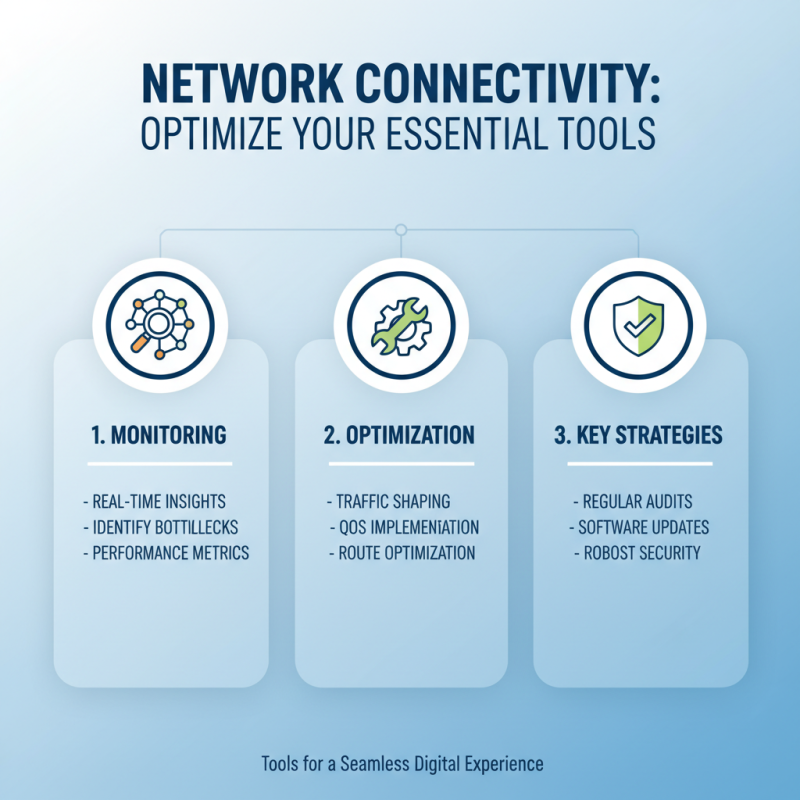
Tips for optimizing your network start with regular monitoring. Use tools that provide real-time analytics on bandwidth use. This can alert you to potential problems before they escalate. A proactive approach can save time and resources. Ensure that all hardware components are up-to-date. Use quality routers and switches, as cheap alternatives often lead to grave reliability issues.
Consider the physical layout of your network. Obstructions and cable lengths can affect signal strength. For example, a simple barrier can decrease Wi-Fi coverage significantly. Conducting a site survey before installation is beneficial. Identify areas with weak signals to make necessary adjustments. Balancing these factors is essential for a robust network environment.
Top Networking Solutions Tips for Better Connectivity
| Factor |
Description |
Impact on Performance |
Recommended Solutions |
| Bandwidth |
The maximum rate of data transfer across a network. |
Higher bandwidth allows more data to be transmitted simultaneously, improving speed. |
Upgrade to higher bandwidth plans; Optimize data by using efficient protocols. |
| Latency |
The time it takes for data to travel from source to destination. |
Lower latency results in quicker data transmission, crucial for real-time applications. |
Use wired connections; Minimize hops and distance between nodes. |
| Network Congestion |
Occurs when network traffic exceeds capacity, leading to delays. |
Congestion can significantly degrade performance and user experience. |
Implement QoS (Quality of Service) rules; Schedule non-essential traffic during off-peak hours. |
| Network Topology |
The arrangement of different elements (links, nodes) in a network. |
Improper topology can lead to inefficiencies and single points of failure. |
Design networks for redundancy; Optimize layout for performance. |
| Hardware Quality |
Refers to the quality of networking devices (routers, switches). |
High-quality hardware ensures better reliability and performance. |
Invest in reliable brands; Regularly upgrade hardware. |
Best Practices for Implementing Robust Network Security Measures
In today's digital landscape, robust network security is paramount. Recent studies indicate that cyber attacks increased by over 50% in the last year alone. This surge underlines the necessity for strong security measures. Implementing multi-factor authentication is one effective approach. It adds extra layers of protection, making unauthorized access significantly harder.
Regularly updating software and hardware is a critical practice as well. Many organizations, however, often overlook this step. Research shows that 60% of breaches stem from unpatched vulnerabilities. Monitoring network activity is crucial, yet many businesses fail to analyze their logs consistently. Tools designed for real-time monitoring can help identify threats early. Small and medium enterprises, in particular, should prioritize these options.
Employee training is another key component. Cybersecurity awareness programs can reduce risks significantly. However, companies often underestimate the importance of ongoing training. Simple mistakes, like weak passwords or falling for phishing scams, highlight the need for continuous education. Employees must remain vigilant; complacency can create exploitable gaps. Investing time and resources in security measures is essential in an environment where the stakes are high.
Top Networking Solutions Tips for Better Connectivity
This bar chart represents the effectiveness of various networking solutions for improving connectivity and security measures based on a survey conducted among IT professionals.
Future Trends in Networking Technologies to Enhance Connectivity
The future of networking technologies is evolving rapidly. New trends are emerging to enhance connectivity. Areas like 5G, Wi-Fi 6, and mesh networks promise faster data transfer and broader coverage. These advancements allow multiple devices to connect seamlessly, improving user experiences.
Implementing modern networking solutions can be complex. Start by assessing your current setup. Identify areas for improvement. Investing in a robust router can boost performance. Also, prioritize network security. Use strong passwords and enable encryption. Another tip is to regularly update software and firmware. This helps fix vulnerabilities and optimize speed.
As networking trends develop, flexibility becomes essential. Adapting to new technologies can be challenging. Many organizations may struggle to keep pace. It's crucial to stay informed about potential changes. Engaging with tech communities can provide valuable insights. Collaboration fosters better understanding, ensuring systems evolve to meet future demands.