Top Oil Pumping Unit Manufacturers in China
China has a broad base of oilfield equipment manufacturers, including companies that design and produce conventional beam pumping units. Their products may differ in load capacity, stroke length, drive configuration, materials, and automation options. For buyers, the phrase “Top Oil Pumping Unit Manufacturers in China” is a starting point, not a guarantee of suitability. An Oil Pumping Unit must match the well’s operating conditions, site layout, power supply, and maintenance capabilities.
The details matter. A useful supplier review looks beyond polished catalog images. Ask for dimensional drawings, rated-load data, test records, material specifications, and clear explanations of operating limits. Check whether claimed certifications apply to the specific product and destination market. Where possible, review references from comparable installations and discuss spare-parts availability, commissioning support, and response times. A neat brochure cannot show how a unit behaves after months of exposure to dust, vibration, and changing weather.
That takes work. Factory visits, sample inspections, or independent technical reviews can help confirm what documents alone cannot. Even then, no single checklist removes every uncertainty; site conditions and maintenance practices affect performance. Comparing manufacturers on evidence, engineering communication, and long-term service gives buyers a more grounded view of China’s pumping-unit market.
Oil Pumping Units and Their Role in China’s Oil Industry
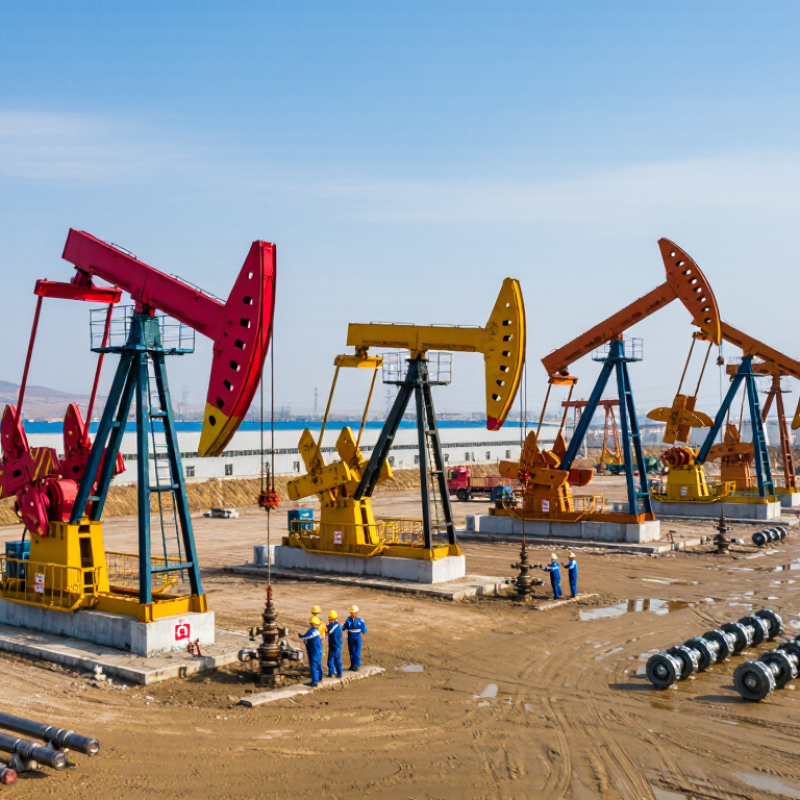
Oil pumping units turn a motor’s rotation into the steady up-and-down movement of a rod string. At the wellhead, the beam, polished rod, and pumping rods work together to lift fluid from underground. In China, oilfields range from established onshore sites to areas with challenging ground and weather. Conditions vary. A well producing sandy fluid may need different operating settings from one with heavier oil or a changing water cut. Operators consider stroke length, speed, and load, then adjust them as well conditions change. One setting rarely suits every well.
These units support production by helping operators control how fluid reaches the surface. Teams can review motor current, rod load, vibration, and fluid levels to spot possible problems. A loose connection or unusual vibration may call for an inspection before damage spreads. Small details matter, including gearbox oil condition and wear around moving joints. Remote monitoring can make operating patterns easier to track, but sensors do not replace field checks. Even experienced crews can misread a sudden change in well behavior. Faster pumping may raise output, yet it can also increase energy use and mechanical stress. The balance often takes repeated adjustment.
China’s Oil Pumping Unit Manufacturing Landscape
China’s oil pumping unit manufacturing landscape reflects the varied demands of mature and developing oilfields. Conventional beam units remain useful where operators need dependable, straightforward lifting equipment. In remote fields, robust gearboxes, corrosion protection, and accessible maintenance points matter as much as rated capacity. Some sites need compact or automated systems instead. The fit is field-specific.
China’s National Bureau of Statistics reported crude oil production of 212.82 million tonnes in 2024, up 1.8% year over year. This figure describes domestic production, not pumping-unit sales, but it helps explain continued attention to production equipment and field upgrades. Manufacturers compete through load capacity, energy use, control systems, and service support. Buyers should check tested operating data, not just catalogue ratings. The picture is not tidy.
Tips: Match the unit to well depth, fluid conditions, and duty cycle. Ask for load diagrams, energy figures, and maintenance intervals. Confirm that key parts are available near the operating site. A small detail matters: clear access around the gearbox can save time during inspection.
Top Oil Pumping Unit Manufacturers in China — China’s Oil Pumping Unit Manufacturing Landscape
China’s crude oil production increased from approximately 191 million tonnes in 2019 to 209 million tonnes in 2023. This production trend provides context for the domestic oilfield equipment market; it is not a ranking or sales measure of oil pumping unit manufacturers.
Source: China National Bureau of Statistics, annual production figures; values rounded to one decimal place.
Leading Oil Pumping Unit Manufacturers in China
Leading oil pumping unit manufacturers in China serve fields with different well depths, climates, and production demands. Their capabilities often include structural fabrication, drive-system assembly, and performance testing. A well-built unit should operate steadily through repeated strokes, not merely look robust in a factory photograph. Check weld consistency, bearing access, protective coatings, and the clarity of maintenance instructions.
Engineering quality shows in practical details. Stroke length and pumping speed should suit the well, while the frame and gearbox must handle expected loads. Ask manufacturers how they verify alignment, vibration, and operation under load. Request inspection records and confirm that stated specifications match the equipment supplied. Small differences matter. A poorly placed service point can turn routine maintenance into wasted hours.
Reliable suppliers also communicate clearly about customization, spare parts, and delivery schedules. Compare drawings, material specifications, and test procedures rather than relying on broad claims. If possible, review equipment operating in conditions similar to your site. No checklist captures every field condition, and even careful selection can miss something. That deserves honest attention. Strong manufacturers treat questions and feedback as part of the engineering process, not as an inconvenience.
Key Factors for Comparing Chinese Manufacturers
Top Oil Pumping Unit Manufacturers in China
Key Factors for Comparing Chinese Manufacturers
Comparing manufacturers starts with matching the unit to the well’s actual operating conditions. Check rated load, stroke length, speed range, and required duty cycle against your site data. A larger rating is not automatically a better choice. Ask how the manufacturer verifies frame alignment, weld quality, and gearbox performance. Request inspection records and clear test procedures, not just catalogue figures.
Small details matter.
Review the materials and service plan, too. Ask about corrosion protection, bearing and seal replacement, spare-part availability, and typical delivery times. A factory visit or documented acceptance test can help confirm assembly practices, but it cannot predict every field condition.
This is not always easy to judge from a distance.
Compare warranty terms and technical support in writing, including response times and commissioning assistance. Speak with operators using similar units, if possible, and ask what required attention after installation. One successful run is useful evidence, not a guarantee. Some comparisons will remain imperfect; note what is verified and what still needs checking.