
In the world of marine construction and dredging, the Suction Hopper plays a crucial role. These vessels are designed to efficiently transport and dispose of sediment. As we approach 2026, buyers should consider the evolving features and benefits of modern Suction Hoppers. Understanding these can influence purchasing decisions.
Modern Suction Hoppers come with advanced technology. Features like improved dredging efficiency and enhanced fuel economy are vital. They allow operators to maximize productivity while minimizing operational costs. Buyers also look for vessels that offer better environmental protection. This is becoming a priority as regulations tighten globally.
There are essential factors to evaluate beyond just specifications. Reliability is key for successful operations. Potential issues might arise, affecting performance. It's crucial for buyers to reflect on long-term value over short-term gains. A well-informed purchase will lead to better outcomes in the challenging marine environment.
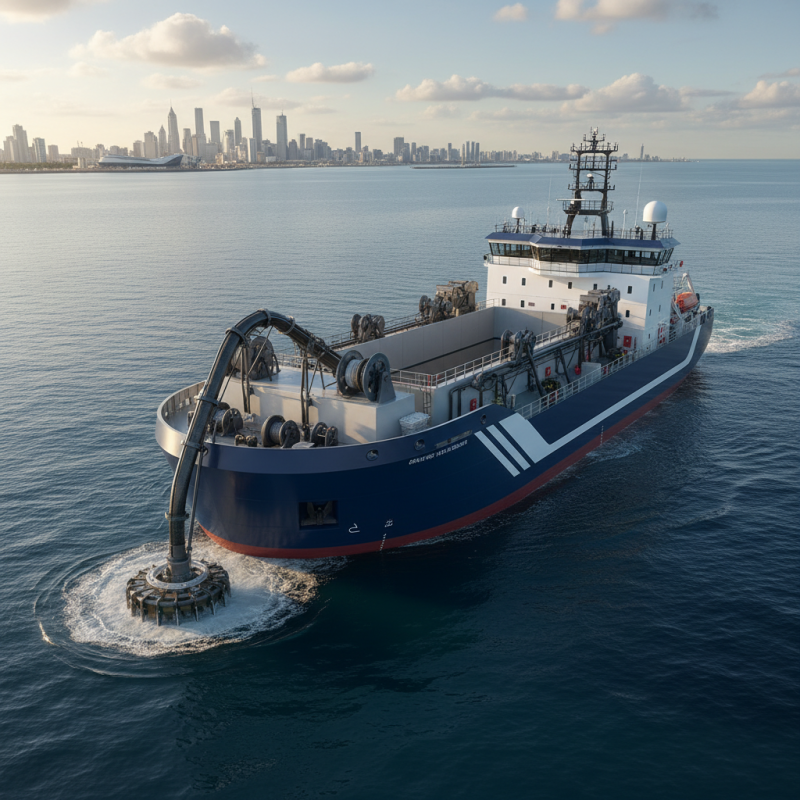
A suction hopper is a crucial component in various industrial applications, primarily for transporting materials. Its definition lies in its ability to draw in bulk materials using suction, allowing for an efficient loading and unloading process. This feature supports a wide range of industries, including agriculture, construction, and waste management.
The versatility of suction hoppers is one of their major advantages. They can handle different materials, from grains to aggregates. This adaptability reduces the need for multiple handling systems. However, users must be mindful of the limitations. Not all suction hoppers perform well under heavy loads or in extreme conditions. Understanding your specific requirements is key.
Maintenance and efficiency are essential factors to consider. Regular checks can prevent breakdowns, ensuring smooth operations. Some users may overlook the importance of proper calibration, which can affect performance. A well-calibrated suction hopper optimizes material flow. Ultimately, investing in the right suction hopper can lead to significant improvements in productivity and material handling.
When considering the right suction hopper for your needs, certain key features play a crucial role. One essential aspect is the capacity. Larger hoppers can handle more materials, making them ideal for extensive projects. However, bigger isn’t always better. It’s important to assess your specific requirements to avoid overspending on unnecessary capacity.
Another vital feature is the hopper design. A well-designed hopper allows for efficient material flow. Some models come with adjustable nozzles to cater to various materials. This adaptability is advantageous, particularly in dynamic environments. However, potential buyers should be cautious about complex designs. They can complicate maintenance and lead to operational challenges.
Lastly, consider the durability of the materials used in construction. A robust suction hopper should withstand harsh conditions. Look for options with protective coatings or reinforced structures. Even the strongest hoppers can falter under excessive wear and tear. Regular inspections and maintenance should be a part of your routine to ensure longevity.
Investing in a high-quality suction hopper brings numerous benefits for buyers. These machines are essential for efficient material handling in various industries. According to a recent industry report, 65% of operators noted that enhanced performance directly correlates with increased productivity. This highlights the value of a reliable suction hopper in maintaining operational flow.
One notable advantage is reduced downtime. Studies indicate that effective suction hoppers can decrease maintenance costs by 30%. This reduction stems from the reliable components and design. Moreover, these machines often feature advanced filtration systems. High-quality filters can extend service life significantly. Operators can focus on production rather than repairs, which is crucial in competitive markets.
Safety is another key benefit. Many suction hoppers are designed to minimize hazards. Enhanced safety features help to lower accident rates on-site. However, not all hoppers meet safety standards. Some cheaper alternatives may compromise on this aspect. Buyers should weigh these factors carefully when making decisions. Investing in quality pays off in the long run.
This chart illustrates the benefits of investing in a high-quality suction hopper based on key features that buyers should consider. Each feature is rated on a scale from 1 to 10, reflecting its importance in the decision-making process.
Suction hoppers offer several advantages over traditional hoppers that can greatly benefit operators. One key feature is their ability to effectively manage various materials. Unlike traditional hoppers, suction hoppers can efficiently handle diverse materials, including fine particles and liquids. This adaptability makes them ideal for different projects.
Another benefit is the reduced risk of contamination. Traditional hoppers often expose materials to air and debris during loading. In contrast, suction hoppers create a sealed environment. This minimizes contamination and preserves material integrity. This feature is crucial for industries requiring high-quality standards.
Cost-efficiency also plays a significant role in this comparison. Suction hoppers may initially appear more expensive, but their operational efficiency leads to savings over time. They require less labor and reduce waste during material transfer. However, potential users should assess their unique needs. Factors such as maintenance costs and operational capacity should not be overlooked.
Maintaining your suction hopper is vital for ensuring optimal performance. Regular upkeep not only extends its lifespan but also enhances its efficiency. Industry reports indicate that improper maintenance can lead to a 15% decrease in operational efficiency. This underscores the importance of a proactive maintenance routine.
Conduct routine inspections. Check for wear on seals and hoses. Replace any that appear damaged. Additionally, clean the hopper regularly to prevent material buildup. A clean hopper allows for better flow and reduces the risk of blockages. Regularly lubricating moving parts also minimizes friction, which can otherwise lead to overheating or system failures.
One effective tip is to monitor performance metrics. If you notice a drop in suction power, investigate immediately. This could indicate an issue requiring urgent attention. Frequent monitoring allows early detection of inefficiencies. Always adhere to your manufacturer's guidelines for maintenance schedules. Ignoring these can result in costly repairs and downtime, highlighting the need for a disciplined approach to maintenance.