Why Is UTP Cable Essential for Your Home and Office Network Setup
In today's digital age, a reliable network is essential for both home and office environments. One of the most critical components for establishing a robust and efficient network setup is the UTP cable, or unshielded twisted pair cable. This versatile and cost-effective cabling solution provides the backbone for connecting various devices, facilitating seamless communication and data transfer. Whether it's for streaming high-definition content, engaging in video conferencing, or simply browsing the internet, the quality of your network largely hinges on the cabling infrastructure in place.
UTP cable stands out for its ability to support a range of data transmission speeds and has become a standard choice in networking due to its simplicity and effectiveness. With its design minimizing electromagnetic interference and crosstalk, UTP cable ensures a stable connection, making it a perfect fit for both residential and commercial setups. As we delve deeper into the reasons why UTP cable is essential for your network, understanding its benefits and applications will help you make informed decisions when it comes to enhancing your connectivity at home or in the office.
Understanding UTP Cable: Definition and Purpose in Networking
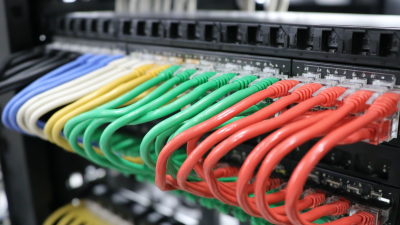
Unshielded Twisted Pair (UTP) cable is a vital component in modern networking, known for its ability to transmit data over relatively long distances while maintaining quality. Generally composed of multiple pairs of wires twisted together, UTP cables minimize electromagnetic interference, making them suitable for both home and office environments. By facilitating the connectivity of devices such as computers, printers, and routers, UTP cables play a crucial role in establishing a reliable network infrastructure.
The primary purpose of UTP cable in networking is to ensure efficient data transmission with minimized signal loss. Often used in Ethernet networks, UTP cables enable high-speed internet access and support various multimedia applications. Their physical design also allows for ease of installation, making them a popular choice for both temporary setups and permanent installations. Additionally, UTP cables come in different categories, each suited for specific bandwidth requirements and networking standards, ensuring flexibility to meet diverse needs in home and office setups.
Key Attributes of UTP Cable: Advantages and Disadvantages
Unshielded Twisted Pair (UTP) cable is a fundamental component of modern networking, both at home and in office environments. One of the primary advantages of UTP cable is its cost-effectiveness. Compared to other types of cabling, such as fiber optics, UTP is significantly cheaper and easier to install, making it accessible for personal and small business networks alike. Additionally, UTP cables offer sufficient bandwidth and data transfer speeds to handle most typical networking tasks, such as internet browsing, video streaming, and online gaming. The flexibility and lightweight nature of UTP cables also enhance ease of routing through walls and ceilings, contributing to efficient and tidy installations.
However, UTP cables come with certain disadvantages that must be considered. Their susceptibility to electromagnetic interference (EMI) can impact performance, especially in environments with heavy electronic activity. While UTP can adequately support typical home and office applications, it might struggle with higher data transfer demands over long distances, potentially leading to signal degradation. Moreover, the lack of shielding makes UTP less robust in outdoor or harsh environments where exposure to moisture or extreme temperatures may pose a risk to the cable's integrity. Understanding these attributes is essential for effective network planning and optimization.
Applications of UTP Cable in Home and Office Environments
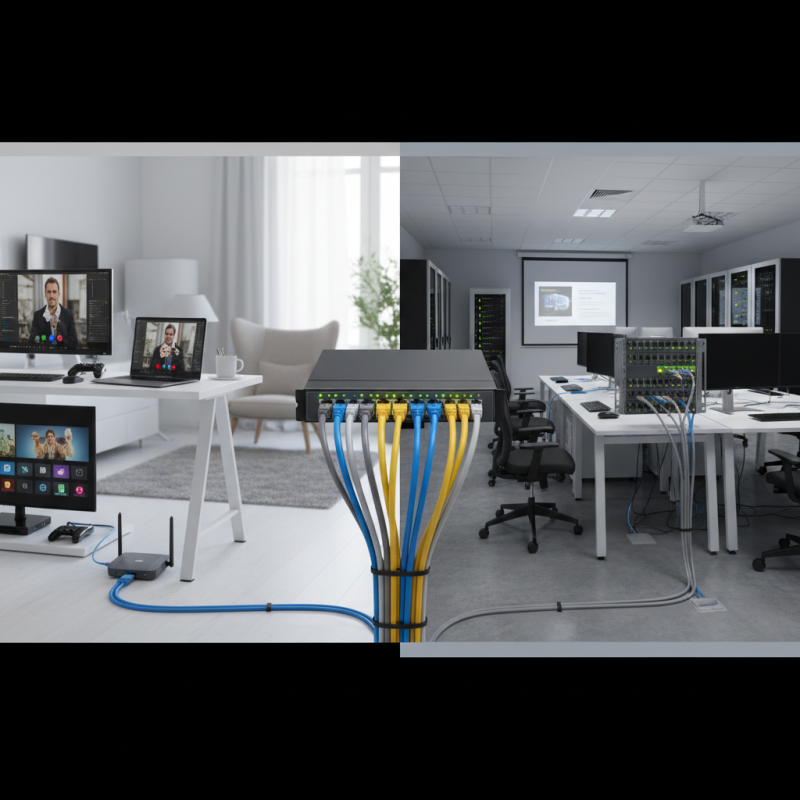
Unshielded Twisted Pair (UTP) cable plays a pivotal role in both home and office environments, ensuring efficient and reliable data transmission. In residential settings, UTP cables are commonly used for internet connections, enabling seamless streaming of high-definition content, online gaming, and smart home device integration. The versatility of UTP allows for easy installation, making it an ideal choice for homeowners looking to establish a robust network without extensive wiring.
In office environments, the application of UTP cables extends beyond basic internet connectivity. They are integral to establishing local area networks (LANs) that support a multitude of applications such as VoIP phone systems, security camera installations, and data sharing among multiple users. The structured cabling of UTP enables effective communication between various devices, enhancing productivity and operational efficiency. Furthermore, the cost-effectiveness and flexibility of UTP cables make them a preferred solution for businesses of all sizes aiming to future-proof their networking infrastructure.
Installation and Best Practices for UTP Cable Networking
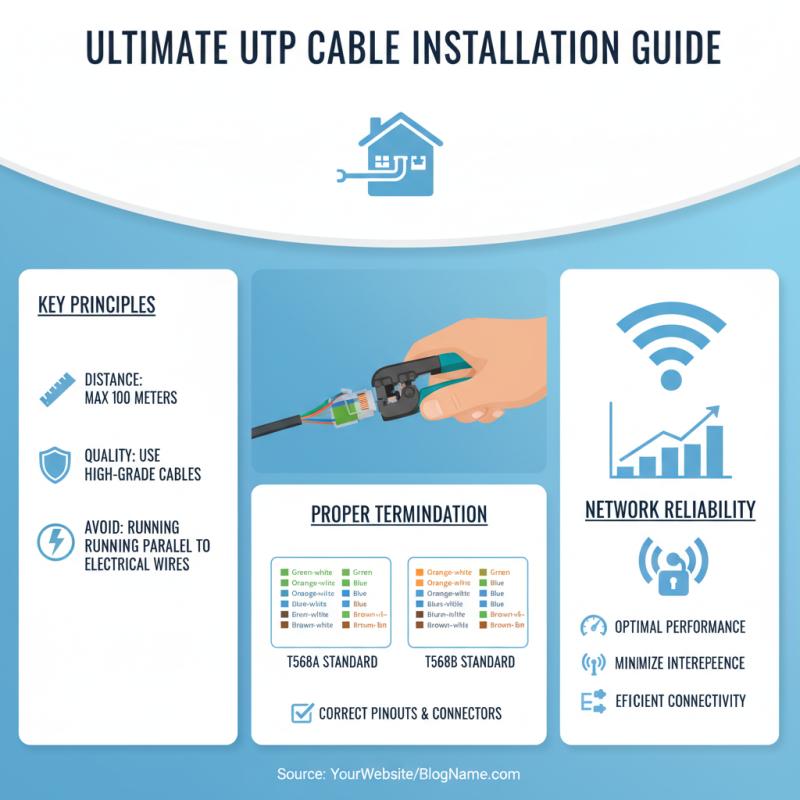
When setting up a reliable network in your home or office, understanding the installation process and best practices for UTP (Unshielded Twisted Pair) cables is crucial. Firstly, ensure that the cabling distance does not exceed 100 meters to maintain optimal performance. Using high-quality UTP cables can also make a significant difference in minimizing interference and maximizing data transfer speeds. It's important to avoid running these cables parallel to electrical wires to reduce the risk of electromagnetic interference. Properly terminating the cables with the right connectors and following the T568A or T568B wiring standard is essential for ensuring correct pinouts and efficient connectivity.
Another critical consideration is the organization and management of your network. Use cable management tools, such as clips or racks, to keep UTP cables tidy and prevent tangling or damage. Labeling each cable can help with future troubleshooting and ensure ease of maintenance. Additionally, testing the network with a cable tester after installation can identify any connectivity issues early on, allowing you to make adjustments as necessary. Adhering to best practices during installation not only enhances the performance of your network but also prolongs the lifespan of your cabling infrastructure.
Troubleshooting Common Issues with UTP Cable Connections
Troubleshooting common issues with UTP (Unshielded Twisted Pair) cable connections is crucial for maintaining an efficient home and office network. UTP cables are widely used due to their ability to support high-speed data transmission, often reaching speeds of up to 1 Gbps and distances up to 100 meters, as indicated by the Telecommunications Industry Association (TIA). However, users may encounter issues such as poor connectivity, reduced speeds, and intermittent disconnections, primarily caused by improper installation, cable damage, or environmental interference.
One of the most common problems arises from cable length and quality. According to the International Telecommunication Union (ITU), exceeding the recommended length of 100 meters can lead to significant signal degradation. Additionally, physical damages like cuts or kinks in the cables can lead to increased attenuation, causing data loss. Further, electrical interference from other devices can disrupt the performance of UTP cables, necessitating the need for proper cable management and organization within the network setup. Regularly inspecting cables and connections and utilizing cable testers can help identify and resolve these issues, ensuring a stable and efficient network environment.