2026 Top Patch Cable Trends Every Buyer Should Know?
In the rapidly evolving world of networking, understanding patch cable trends is crucial for buyers. John Smith, a leading expert in the patch cable industry, emphasizes, "Choosing the right patch cable can significantly impact network performance." With the surge of remote work and increased data usage, selecting high-quality patch cables is more important than ever.
Today, the market offers a variety of patch cables. From Cat 5e to Cat 8, each type serves different needs. Buyers often overlook the significance of cable quality and specifications. This can lead to performance issues that hinder connectivity. Additionally, the rise of technologies such as 5G and fiber optics demands updated cables that can handle higher bandwidth.
As we approach 2026, the implications of these trends are significant. The landscape of patch cables is changing. Consumers must remain vigilant and informed. Mistakes in cable selection can result in wasted resources. Thus, awareness of emerging trends is essential for businesses and individuals alike.
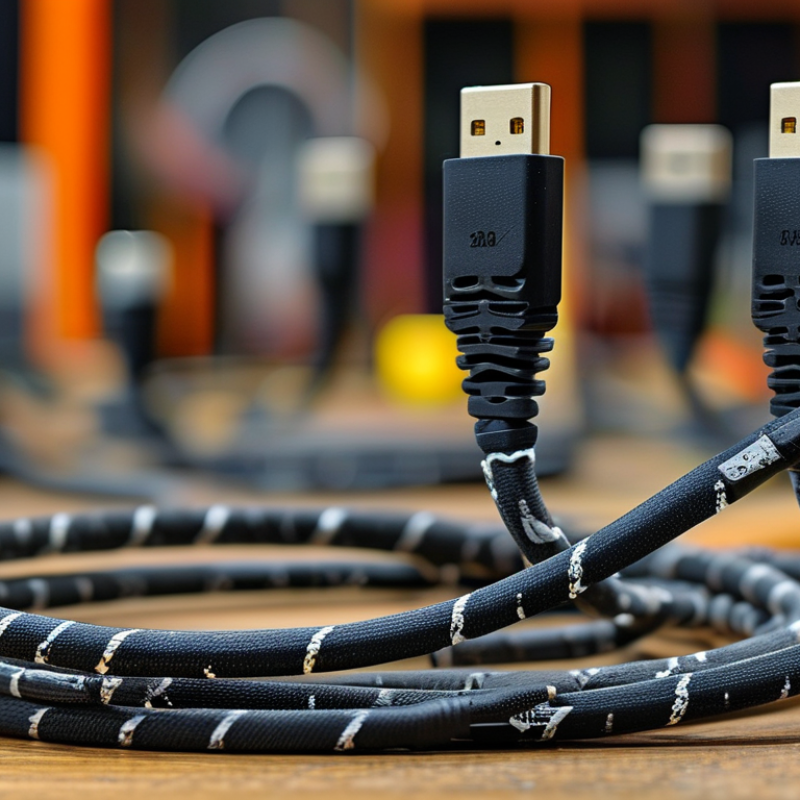
Emerging Technologies Shaping Patch Cable Design for 2026
Emerging technologies are rapidly reshaping patch cable design, especially as we approach 2026. Key innovations include advancements in materials and connectivity. For instance, new fiber optic technologies are significantly reducing signal loss. A report from MarketsandMarkets estimates the global fiber optic cable market will reach $2.7 billion by 2026, highlighting the growing demand for high-speed data transfer.
In addition to material innovations, sustainability is becoming a priority. Manufacturers are focusing on eco-friendly materials and manufacturing processes. The trend aligns with consumer desires for greener products. According to a recent industry survey, 65% of IT professionals prefer sustainable solutions when choosing networking equipment.
Tips: When selecting patch cables, prioritize length and type to meet specific needs. Also, ensure compatibility with existing infrastructure. Regularly assess the performance and condition of your cables. Avoid underestimating the importance of quality; low-cost cables may lead to reliability issues.
2026 Patch Cable Trends: Fiber vs. Copper
Eco-Friendly Materials in Patch Cable Manufacturing 2026
In 2026, the trend of using eco-friendly materials in patch cable manufacturing gains prominence. As environmental concerns rise, manufacturers prioritize sustainability. They explore alternatives to traditional materials. Biodegradable plastics and recycled materials are becoming popular choices. These innovations reduce environmental impact significantly.
Using eco-friendly materials can improve product lifespan too. Sustainable options often offer better durability. They withstand wear and tear, which means fewer replacements. Buyers benefit from long-lasting cables while supporting eco-conscious practices. This industry shift not only protects the planet but also meets consumer demand for greener products.
**Tips:** Look for certifications that verify sustainability claims. Check the materials used in cables before purchasing. Investing in eco-friendly patch cables can save costs over time through durability. Consider the overall environmental impact of your tech choices. These factors enhance your decision-making as a responsible consumer.
2026 Top Patch Cable Trends Every Buyer Should Know - Eco-Friendly Materials in Patch Cable Manufacturing 2026
| Material Type |
Sustainability Rating |
Durability (Years) |
Cost per Meter (USD) |
Market Demand (%) |
| Recycled PVC |
High |
5 |
1.50 |
32 |
| Biodegradable TPU |
Very High |
4 |
2.00 |
27 |
| Organic Fiber |
Moderate |
3 |
2.50 |
22 |
| Recyclable Nylon |
High |
6 |
1.80 |
30 |
| Natural Rubber |
Moderate |
4 |
2.20 |
20 |
Trends in Patch Cable Lengths and Connectors for Various Uses
Patch cables are essential for various networking applications. The lengths and connectors of these cables are evolving. According to industry reports, standard lengths of patch cables, such as 1, 3, 5, and 10 meters, remain popular. However, there's an increasing demand for custom lengths to fit specific setups. This trend indicates a shift towards personalized solutions in network infrastructure.
Connectors are also undergoing transformation. The use of Category 6a and Category 7 cables is on the rise. These cables support higher bandwidths and are ideal for high-speed internet. Additionally, the shift to modular connectors, allowing easy customization, is gaining traction among users seeking flexibility. Statistics from the Telecommunications Industry Association highlight that over 40% of businesses are now opting for these advanced connectors.
Tips for buyers: Measure your required lengths accurately. Consider future needs, not just current ones. Custom lengths might save you from messy, tangled cables. Evaluate the type of connectors based on your network's speed requirements. High-quality connectors can improve performance, reducing downtime.
As the demand for high-speed data increases, understanding these trends is critical. Users should not overlook the importance of selecting appropriate connectors and lengths for optimal performance in their networks.
Adaptations in Patch Cables for 5G and High-Speed Networks
Patch cables are evolving rapidly, especially with the rise of 5G and high-speed networks. These advancements demand cables that can handle increased data transfer rates. Traditional cables may not suffice; they often introduce latency issues. New materials and designs are coming into play to meet these demands.
One key adaptation is the use of better shielding. Enhanced shielding reduces electromagnetic interference, which can disrupt signals. Additionally, fiber optic patch cables are becoming more popular for their ability to transmit data faster over long distances. They are lightweight and flexible, making installation easier. Still, they may be more fragile than copper cables, posing a challenge in rugged environments.
Buyers should also consider cable length and connectors carefully. Shorter cables reduce signal loss but may not always fit installation needs. Connectors must be compatible with new network standards to ensure optimal performance. It’s crucial to stay informed about these changes. As network technologies continue to advance, patch cable choices must align with the latest developments. This awareness helps in making informed purchasing decisions.
Future-Proofing: Innovations in Patch Cables for Smart Homes and Offices
In the evolving landscape of smart homes and offices, patch cables are crucial. According to a recent report by the Fiber Optic Association, up to 70% of network failures result from poor patch cable management. Innovations now focus on enhancing durability and flexibility. This includes materials that withstand temperature variations and maintain performance under stress.
Emphasis on high-speed transmission is also growing. The Data Center Alliance reports an increase in demand for higher bandwidth solutions. Patch cables with enhanced shielding techniques are gaining traction for their ability to reduce electromagnetic interference. This feature is essential as smart devices proliferate in interconnected environments.
Consumers now prefer more eco-friendly options too. Sustainable materials are becoming a standard. Yet, the gap in awareness about these innovations persists. Many buyers still rely on outdated technology. This disparity highlights a need for education in consumer choices. Future-proofing will require not only updated hardware but an informed approach to product selection.