How to Choose the Right Network Patch Cable for Your Needs?
Choosing the right network patch cable is crucial for optimal network performance. As technology evolves, so do the standards. A recent report by the Network Cabling Association states that 70% of network issues stem from poor cabling choices. This highlights the importance of understanding what makes a network patch cable suitable for specific needs.
Industry expert John Smith emphasizes, “The right cable can significantly improve speed and reduce downtime.” When selecting your network patch cable, consider factors like cable category, length, and shielding. For example, Category 6 cables are recommended for high-speed applications. However, many users overlook these details, leading to unreliable connections.
Reflecting on personal experiences, users often find themselves dissatisfied with their initial choices. They realize that not all network patch cables are created equal. Budget-friendly options might seem appealing, but they can compromise performance. Investing in quality is crucial for long-term efficiency and reliability.
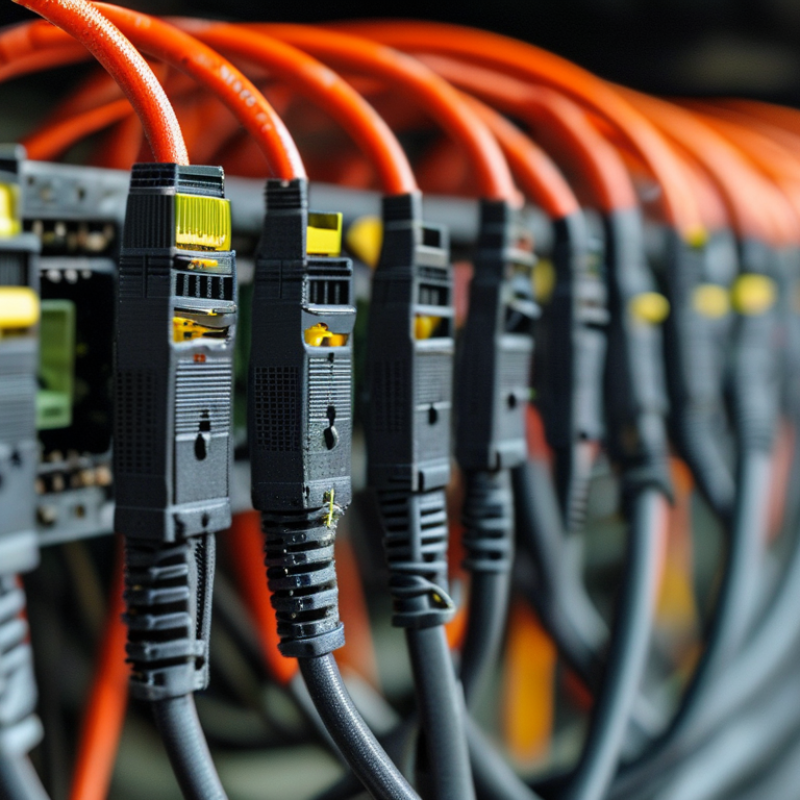
Identifying Your Network Requirements and Goals
When selecting the right network patch cable, it’s crucial to identify your network requirements and goals. Start by assessing your network speed needs. For instance, if you require speeds up to 1 Gbps, consider using Category 5e cables. However, for higher speeds, like 10 Gbps, Category 6 or 6a cables are more suitable. It’s vital to align your cable choice with the devices in your network.
Think about cable length as well. Too long a cable can lead to signal degradation. Ideally, keep the length under 100 meters for optimal performance. If your setup involves connecting devices over shorter distances, opt for shorter cables. This way, you minimize potential latency.
Building a reliable network means considering installation environments. For outdoor setups, ensure the cables are rated for external use. This protects against water and UV damage. Your cables should also be organized well, preventing tangling, which can hinder performance. Evaluating these factors will enhance your networking experience, making your setup more efficient and effective.
Understanding Different Types of Network Patch Cables
When selecting a network patch cable, it is essential to understand the various types available. Twisted pair cables are the most common. They come in two main categories: shielded and unshielded. Shielded cables are designed to reduce electromagnetic interference, making them suitable for environments with many electronic devices. Unshielded cables are often sufficient for home use, where interference is minimal.
Another type is fiber optic cables. These cables transmit data as light and can cover long distances without signal loss. They are ideal for high-speed internet connections but can be more fragile and require careful handling. Coaxial cables, though less common in networking today, are still used in specific scenarios, such as connecting cable modems to routers; however, their performance is limited compared to the others.
Choosing the right cable involves considering your needs. For example, if you need speed for gaming or streaming, fiber optic may be your best option. However, if budget is a concern, a good quality twisted pair cable can work well. It's worth reflecting on your environment and future needs before making a decision. Do you have equipment that might change? Understanding these factors can lead to better choices in your networking setup.
Evaluating Cable Specifications: Length, Speed, and Category
When choosing a network patch cable, understanding its specifications is crucial. The length of the cable can significantly affect signal quality. Longer cables can lead to increased latency and potential signal degradation. Generally, a length of 100 feet or less ensures optimal performance. However, for setups requiring expansive reach, consider using signal boosters or switches.
Speed is another critical factor. Network patch cables come in various categories, each designed for specific speeds and bandwidths. For instance, Cat5e cables support speeds up to 1 Gbps, while Cat6 cables can handle 10 Gbps for short distances. The right category choice can enhance your connection reliability. Ensure your devices support the cable category to avoid bottlenecks.
The environment where the cables will be used also matters. If the cables will be run outdoors or in areas with interference, choosing a shielded option may be wise. Reflect on placement. Will the cables be exposed to bending or high temperatures? Selecting the right cable based on these specifics can prevent future issues and ensure seamless connectivity.
Considering Environmental Factors for Cable Selection
When selecting a network patch cable, environmental factors are crucial. The location where the cable will be used deeply influences its performance and durability. For instance, a cable in a dry office will fare differently than one installed in a humid basement. Even temperature extremes can degrade cable integrity over time.
Consider the cable's exposure to sunlight or chemical substances. UV rays can wear down insulation, while some environments have corrosive agents. Using a cable rated for such conditions can prevent future failures. Never overlook the potential interference from electrical devices. Running cables near sources of electromagnetic interference may affect data transmission.
You should reflect on your specific needs and environment before making a decision. The right cable selection requires understanding all factors, not just the technical specifications. Ignoring these environmental aspects can lead to frustrating connectivity problems down the line. A bit of foresight can ensure reliable network performance while reinforcing your overall infrastructure.
Determining Compatibility with Your Networking Equipment
When selecting a network patch cable, compatibility with your networking equipment is vital. Different devices may support varied standards, such as Cat5e, Cat6, or Cat6a. Recent industry reports suggest that over 60% of businesses still use outdated cabling. This could lead to slower speeds and reduced performance.
Understanding the specifications of your devices is essential. For instance, if your router supports Gigabit Ethernet, a Cat5e cable may suffice. However, a Cat6 or higher cable would better future-proof your setup. Studies show that using the right cable can improve internal network speeds by up to 50%. Many users overlook this, leading to subpar performance.
It’s important to assess your environment too. In high-interference areas, better shielding in cables can make a significant difference. The choice of cable might seem trivial, yet the impact on overall network efficiency can be profound. Some users might think all cables are the same, but the right choice can enhance both speed and stability.