2026 Top Reasons to Choose lc patch panel for Your Network?
In today’s fast-paced digital world, a reliable network infrastructure is crucial. Experts suggest that the choice of equipment significantly influences network performance. One of these vital components is the lc patch panel. John Doe, a prominent network solutions expert, states, "The lc patch panel is the backbone of organized cabling." This statement highlights its importance.
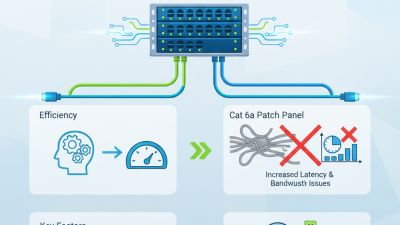
The lc patch panel offers many benefits. It simplifies cable management, which can enhance overall efficiency. By neatly organizing cables, it reduces the chances of downtime caused by tangled wires. However, some might not realize the potential challenges. Improper installation can lead to connectivity issues. Therefore, selecting the right lc patch panel is essential.
Moreover, the adaptability of the lc patch panel suits various environments. It can accommodate different cable types and configurations. While it seems straightforward, choosing the right specifications requires careful consideration. Experts advise assessing your network's particular needs before making a decision. Understanding these factors can lead to a more robust network setup.

Features of LC Patch Panels: A Comprehensive Overview
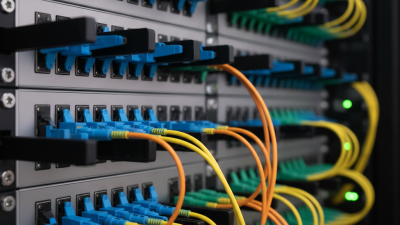
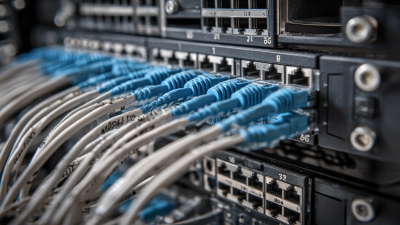
When it comes to network organization, the LC patch panel stands out. Its compact design allows efficient space utilization in data centers. This feature is crucial for high-density applications. The LC connectors, known for their small size, help save valuable rack space. Additionally, they support high-speed data transmission. This makes them ideal for modern network requirements.
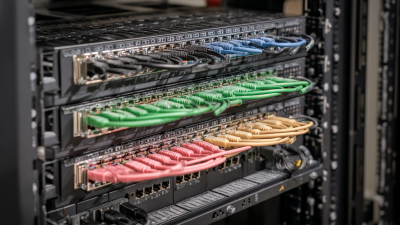
A key aspect of LC patch panels is their ease of installation. Many panels feature color-coded ports and labeling options. This simplifies identification and reduces errors during setup. Users appreciate quick access for managing connections. However, some users may find the initial configuration tricky. Experience and familiarity with the system improve performance over time.
Durability is another significant feature. Built with high-quality materials, LC patch panels resist wear and tear. This longevity ensures consistent network performance, reducing downtime. Some users report issues with tight spacing in high-traffic environments. Regular maintenance and thoughtful cable management can mitigate these challenges. Understanding these nuances is vital for a reliable network.
Benefits of Using LC Patch Panels in Network Infrastructure
LC patch panels are gaining traction in modern network infrastructures. They offer several advantages over traditional solutions. Notably, they improve organization and management within network systems. A wells-structured patch panel can simplify the tracking of connections, which is crucial for troubleshooting.
According to a recent report by MarketsandMarkets, the global networking equipment market is projected to reach $132 billion by 2026. As networks grow more complex, the role of efficient infrastructure becomes clear. LC patch panels facilitate higher density connections. Their compact design allows for more ports within a limited space, accommodating evolving data demands.
Additionally, using LC patch panels can lead to enhanced performance. They can support higher data rates, thanks to their smaller connector design. However, installation may require specific skills. Improper setup can lead to reduced performance. Reflections and signal loss are potential pitfalls. It's crucial to ensure that network professionals are well-trained. Finding a balance between cost-effectiveness and performance can also be challenging. Prioritizing quality in patch panels often comes with a higher initial investment. However, the long-term benefits in efficiency and reliability can outweigh these costs.
Comparative Analysis: LC Patch Panels vs Other Patch Panel Types
When it comes to network installations, choosing the right patch panel is crucial. LC patch panels are becoming increasingly popular. They offer superior density compared to other types. This feature is vital in today’s compact server rooms. LC connectors allow for more ports in the same space. This can significantly reduce the footprint of your network setup.
In contrast to SC or ST patch panels, LC panels are often preferred for high-speed networks. They support higher bandwidths and faster data transfer rates. This is essential for modern applications that demand quick responses. While SC panels may be more robust, they take up more space. This may not be ideal for every environment. Another consideration is the type of cabling you plan to use. LC patch panels typically work best with fiber optic cables, enhancing performance.
However, not every setup will need LC patch panels. If your network is simpler and requires less density, other types might suffice. There can be a learning curve in installation. For those unfamiliar, guidance might be necessary. Weighing the pros and cons and evaluating your specific needs is crucial. Ultimately, the choice should align with your unique network demands.
2026 Top Reasons to Choose LC Patch Panel for Your Network
| Feature |
LC Patch Panel |
SC Patch Panel |
ST Patch Panel |
| Density |
High |
Medium |
Low |
| Performance |
Excellent |
Good |
Fair |
| Connection Type |
LC |
SC |
ST |
| Use Case |
High-density networks |
General purpose |
Legacy networks |
| Cost |
Moderate |
Moderate |
Low |
| Ease of Installation |
Easy |
Moderate |
Difficult |
Installation and Maintenance of LC Patch Panels Made Easy
When it comes to network infrastructure, the installation and maintenance of LC patch panels are crucial for optimal performance. These panels combine efficiency with simplicity, making them an excellent choice for both seasoned professionals and newcomers. The modular design allows for easy integration into existing systems. Each port is easily accessible, which significantly reduces installation time. Clear labeling helps technicians quickly identify connections. This minimizes confusion, especially in complex setups.
However, challenges can surface. Sometimes, inadequate planning leads to insufficient space for cable management. This can cause cables to tangle or create signal interference later. Attention to detail is critical during installation. Ensuring proper alignment and secure connections influences overall reliability. Regular maintenance checks may be overlooked as well. Routine inspections can prevent small issues from evolving into larger problems. Users must remain vigilant to ensure consistent network performance.
Educating stakeholders about proper techniques is essential. Utilizing diagrams during installation can provide clarity. Engaging in training sessions enhances the understanding of best practices. By facilitating knowledge transfer, potential operational hiccups are reduced. Simple habits are often forgotten, but they can significantly impact network health over time. Approaching installation and maintenance with a strategic mindset paves the way for long-lasting solutions.
Cost-Effectiveness of LC Patch Panels for Network Upgrades
When considering network upgrades, the cost-effectiveness of LC patch panels stands out. These panels are crucial for efficient cable management. They support high-density installations, which can save both space and resources. The reduced clutter alone can improve airflow, enhancing equipment longevity.
Switching to LC patch panels can significantly lower overall expenses. Traditional patch panels often require more materials and maintenance. In contrast, LC patch panels enable fiber connections to be more streamlined. This can lead to fewer disruptions during installations or upgrades.
Despite their advantages, challenges exist. Not all technicians are familiar with LC systems. Lack of experience can lead to improper installations. This highlights the need for proper training and knowledge before deployment. Investing in LC patch panels without adequate preparation may result in unforeseen costs. Taking the time to understand their requirements is essential for maximizing benefits.