2026 Top Cat 6A Cable Which One Is Best for Global Buyers?
Choosing the best cat 6a cable in 2026 requires more than comparing prices or advertised speeds. Global buyers need a reliable balance of performance, safety, compatibility, and total installation cost. Cat 6A supports 10 Gigabit Ethernet over standard 100-meter channels and operates at frequencies up to 500 MHz. However, real performance depends on connectors, patch panels, grounding, installation quality, and testing.
Small details matter. A factory floor may need shielded cable against motor interference. An office ceiling may require low-smoke, zero-halogen construction. A data center may prioritize tighter bend control, high-density patching, and verified thermal performance. Buyers should review conductor material, gauge, separator design, jacket rating, and approved operating temperature. Product claims should be supported by independent test reports, such as permanent-link results from calibrated field testers. Certifications from recognized bodies also deserve careful checking. Requirements may differ across the United States, Europe, Asia, and other markets.
There is no universal winner. The best cat 6a cable depends on the building, network design, local codes, and installer skill. In procurement work, an apparently cheaper reel can become expensive after rejected tests, difficult termination, or delayed customs clearance. That risk is easy to underestimate. I would also avoid treating every certification logo as equal, because documentation quality varies between suppliers. This guide compares leading options through practical evidence, not marketing language. It considers transmission performance, mechanical usability, compliance, warranty support, and long-term value. Some conclusions may change as manufacturers update materials and standards. That uncertainty should be acknowledged, not hidden.
What Cat 6A Cable Is and Why It Matters in 2026
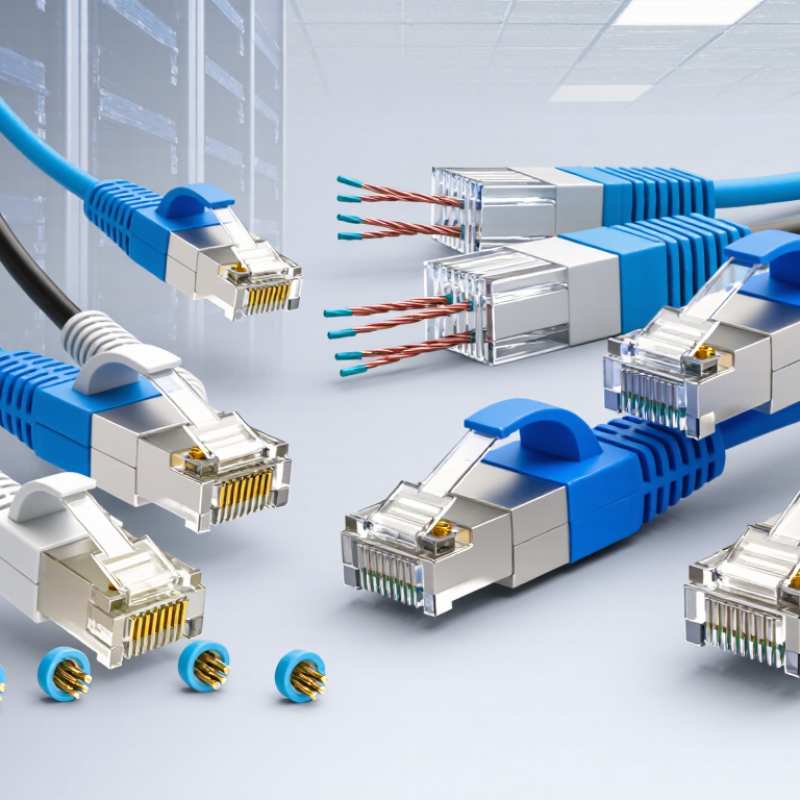
Cat 6A cable is a twisted-pair copper network cable designed for reliable 10Gbps transmission over distances up to 100 meters. It supports frequencies up to 500 MHz, giving modern networks more capacity than older cable categories. The cable uses four balanced pairs, usually with thicker insulation and improved separation. These details help reduce signal loss and alien crosstalk between nearby cables.
Its importance grows in 2026. Offices now connect cloud systems, Wi-Fi access points, cameras, storage devices, and power-fed equipment. Cat 6A can support demanding data traffic while carrying suitable Power over Ethernet applications.
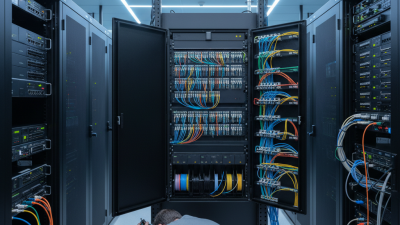
It also provides useful headroom for future upgrades. A small server room may contain dense cable bundles, where heat and interference become practical concerns. Shielded construction can help, but only when grounding and installation are handled correctly.
I have seen excellent cable perform poorly after tight bends, crushed pathways, or careless termination. Installation matters as much as the printed specification. Global buyers should check conductor material, test reports, jacket ratings, and compliance with recognized international standards.
Copper-clad aluminum can appear cheaper, yet it may create resistance and performance concerns. Not always. A perfect datasheet does not guarantee a perfect link. Some projects may not need Cat 6A, especially where distances and data demands remain modest. Careful site planning prevents paying for performance that stays unused.
Global Buyer Factors: Compliance, Installation, and Supply
For global buyers, the best 2026 Cat 6A cable is not simply the fastest-looking option. Compliance must fit the installation country, building type, and tender requirements. Ask for independent test reports covering channel performance, conductor resistance, flame rating, and jacket composition. Standards such as ISO/IEC 11801 and IEC 61156-5 provide useful reference points. Local rules still control final acceptance. A certificate alone is not enough. Check its scope, test date, and issuing laboratory. In practical audits, impressive document folders sometimes fail basic traceability checks.
Installation quality can erase a cable’s rated performance. Specify solid bare copper conductors for permanent links, suitable separators, and verified 500 MHz performance. Confirm the cable diameter before choosing dense panels or conduits. Respect bend radius and pulling tension. Keep power and data routes properly separated. Avoid sharp cable ties. Do not untwist pairs beyond the termination limit. Shielded systems need bonding continuity, not just metal foil. Shorter patch leads may improve reliability, but cramped cabinets create heat and service problems. Field testing should record insertion loss, return loss, and crosstalk. Human error remains the weak point.
Supply reliability needs more than a low quotation. Request production samples, batch numbers, carton labels, and realistic lead-time plans. Confirm consistent materials, jacket colors, and connector specifications across repeat orders. Ask how rejected batches are isolated and replaced. Dual sourcing may reduce disruption, yet it can introduce small performance differences. That trade-off deserves review. Inspect packaging for moisture protection, reel damage, and clear length markings. A cheaper shipment can become expensive after delays, rework, or failed commissioning.
2026 Cat 6A Cable: Benchmarks for Global Buyers
The best Cat 6A cable should support 10 Gb/s transmission, 500 MHz bandwidth, a 100 m maximum channel, and a 90 m permanent link under recognized structured-cabling specifications. Cat 6A systems use four balanced twisted pairs, while compliance should be verified against the requirements applicable to the destination market and installation.
How to Choose the Best Cat 6A Cable for Your Network Needs
2026 Top Cat 6A Cable: Which One Is Best for Global Buyers?
Choosing the best Cat 6A cable starts with your network’s real demands. Cat 6A supports 10 Gbps transmission over distances up to 100 meters. It also operates at frequencies up to 500 MHz. For offices, data rooms, and industrial areas, cable construction matters greatly. Solid-core cable suits permanent wall and ceiling installations. Stranded cable works better for short patch connections. Shielded designs can reduce electromagnetic interference near motors, power cables, or medical equipment. However, shielding needs proper grounding. Otherwise, it may create installation problems rather than solve them.
Tips: Check the conductor material, wire gauge, jacket rating, and connector compatibility. Pure copper conductors usually provide more stable performance than copper-clad alternatives. Confirm whether the jacket meets local fire and building requirements. Review ISO/IEC or TIA test documentation before purchasing large volumes. A cable tester should verify continuity, insertion loss, return loss, and crosstalk after installation. Small details matter.
Global buyers should also consider temperature range, packaging, labeling, and delivery consistency. A flexible cable may install faster, but excessive bending can damage performance. A thicker jacket may improve durability, yet it can require larger pathways. Field experience shows that the cheapest option is rarely the easiest to manage. Still, a premium cable is not automatically the right choice. Site conditions decide more than marketing claims. Testing a small sample before a full order remains a practical step. Mistakes happen, even in careful projects.