Where to Find the Best Patch Cable for Your Needs?
In today's digital age, finding the right patch cable can be a daunting task. With various types available, it's crucial to understand your specific needs. According to industry expert John Smith, “Choosing the right patch cable is essential for optimal network performance.” Recent data from the International Data Corporation indicates that the global cable market is projected to grow, underscoring the importance of informed purchasing decisions.
Patch cables vary in length, quality, and materials. The choice you make can impact connectivity greatly. High-quality cables can reduce latency, while cheaper options may lead to signal loss. Buyers often overlook these details. However, investing in the right patch cable should not be taken lightly. A poorly chosen cable can lead to frustrating outages.
Experts recommend evaluating both your current requirements and potential future needs. Many users tend to select cables based solely on price. This approach can lead to subpar network performance. Research shows that 30% of users experience connectivity issues due to inadequate cables. Understanding these nuances can guide you toward the best patch cable for your situation.
Understanding Patch Cables: Types and Uses
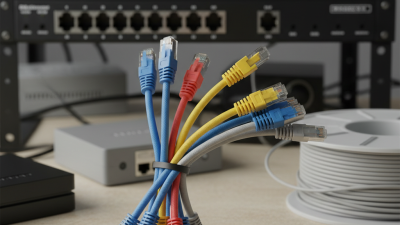
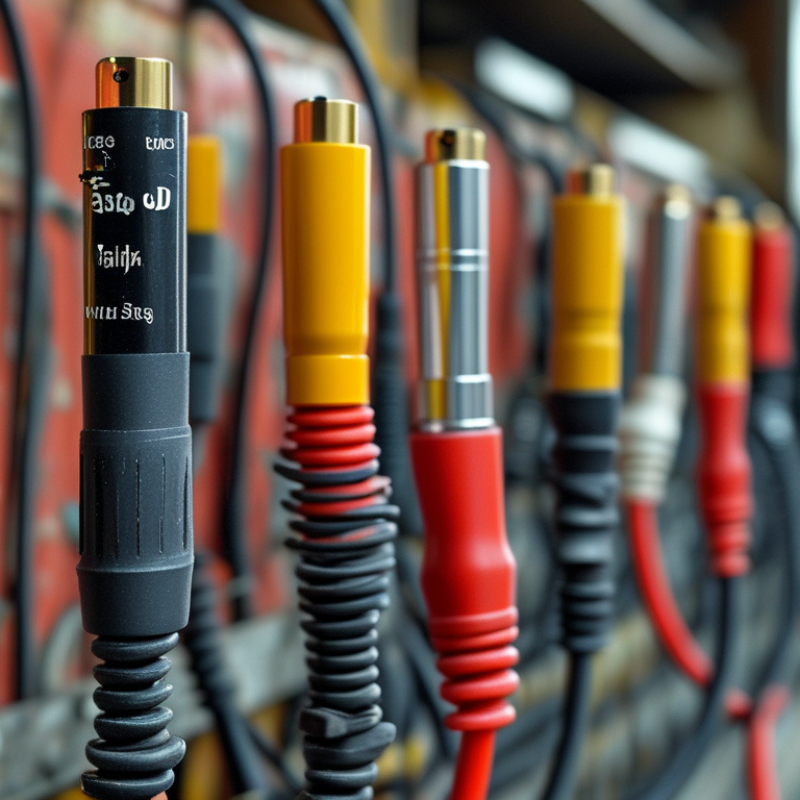
Patch cables are essential in networking and audiovisual setups. They connect devices like computers, routers, and speakers. Understanding their types helps you choose the right one. Common patch cables include Ethernet cables and audio patch cords. Ethernet cables are designed for data transmission. They come in various categories, such as Cat5e and Cat6. The higher the category, the faster the connection. Audio patch cords, on the other hand, often feature 1/4-inch or XLR connectors. They allow you to link various audio equipment effectively.
When selecting a patch cable, consider the specific requirements of your setup. For example, the length and gauge of the cable affect performance. A longer cable may result in signal loss. Using a thicker gauge can help mitigate this issue. Additionally, shielding is crucial in environments with potential interference. Again, some users overlook this. A poorly shielded cable can lead to degraded audio or data quality.
Experimenting with different types of cables may reveal which ones work best in your environment. It’s worth noting that not all cables are built the same. Some may not meet the necessary standards for your equipment, leading to frustration. Don’t hesitate to seek advice from professionals or explore credible resources online.
Key Factors to Consider When Choosing Patch Cables
When choosing patch cables, consider several key factors. First, think about the length you need. Too short may limit your setup, while too long can create clutter. Different environments may require various lengths based on how your equipment is arranged.
Cable quality is crucial. Look for cables with proper shielding. This minimizes interference, leading to better audio and data performance. Materials matter too; copper conductors usually offer superior conductivity. However, be mindful of budget constraints as high-quality materials can be more expensive.
Tips for selection: Always check reviews to gauge reliability. Ask for recommendations from professionals or technicians. Additionally, measure your setup before purchasing to avoid issues later on. It’s essential to reflect on your evaluation process and priorities. Identify what features are non-negotiable for your use case. By taking these steps, you can make a more informed choice.
Where to Buy High-Quality Patch Cables: Retail and Online Options
When searching for high-quality patch cables, knowing where to shop is crucial. Retail stores often offer a hands-on experience. You can physically examine the cables and assess their build quality. This immediate inspection can be beneficial. Look for stores that specialize in electronics or audio equipment. Staff members at these locations usually possess expertise. They can provide valuable insights on which cables suit your needs best.
Online shopping opens up a vast selection. Websites often have user reviews and ratings. These can guide you in making informed decisions. Additionally, many online retailers showcase different brands and types of patch cables. Be sure to check return policies before purchasing. This way, you can return any unsuitable items without hassle.
When selecting a patch cable, consider the length and connectors. A cable that's too short or too long may not serve its purpose well. Reflect on your specific requirements before making your choice. Pay attention to material quality for durability. A good patch cable should withstand regular use and maintain excellent performance over time. Choosing wisely can make a significant difference in your overall audio or data experience.
Comparing Prices: Finding the Best Deals on Patch Cables
When searching for the right patch cable, price is a significant factor. Many retailers offer a range of options. Prices can vary based on length, quality, and type. Shopping online often reveals better deals than local stores. Use price comparison websites to find the best offers. Be cautious; the cheapest option isn’t always the best. Quality matters, especially if you need reliable performance.
Consider the specific use case for your patch cables. For home audio systems, a thicker cable might be necessary for optimal sound. In contrast, shorter cables for a simple setup can be found at reduced costs. Look for user reviews and recommendations. These provide insights into the longevity and reliability of the product.
It’s easy to get overwhelmed by choices. Sometimes, a more expensive cable is justified by its durability. Reflect on past purchases, too. Were they worth the investment? Do not be lured solely by low prices. Instead, focus on balancing cost with quality for your unique needs.
Top Brands for Reliable Patch Cables: A Consumer's Guide
When searching for reliable patch cables, consumers often feel overwhelmed by the choices available. Understanding the key brands can simplify this experience. Certain brands have built reputations based on durability and performance. Users report strong connections without frequent dropouts. This reliability is crucial for maintaining seamless communication in both professional and personal setups.
Researching patch cables involves considering materials and construction. High-quality cables often utilize oxygen-free copper, which enhances signal clarity. Look for options with sturdy connectors as well. The right cable should endure wear and tear, especially in busy environments. Pay attention to reviews and user feedback. Real experiences can guide you toward better decisions.
Yet, not all consumers find their perfect match immediately. Some cables may promise high-speed connections but fail in less demanding tasks. It’s important to reflect on your specific needs before making a purchase. Testing different brands might be necessary. This trial and error could lead to improved satisfaction in the long run.
Where to Find the Best Patch Cable for Your Needs? - Top Brands for Reliable Patch Cables: A Consumer's Guide
| Cable Length |
Cable Type |
Connector Type |
Shielding Type |
Average Price |
| 3 ft |
Cat6 |
RJ45 |
U/FTP |
$5 |
| 6 ft |
Cat6a |
RJ45 |
S/FTP |
$9 |
| 10 ft |
Cat5e |
RJ45 |
U/FTP |
$7 |
| 15 ft |
Cat6 |
RJ45 |
F/UTP |
$12 |
| 25 ft |
Cat7 |
RJ45 |
S/FTP |
$20 |