What Is the Best Fiber Optic Patch Cord in 2026?
Choosing the best fiber optic patch cord in 2026 is not a simple shopping decision. The right choice depends on the network, connector type, fiber mode, and installation conditions. A short LC-LC OS2 cord may suit a data center rack, while an armored cable may better protect links near equipment doors or busy pathways.
Jim Hayes, president of the Fiber Optic Association, has repeatedly emphasized a practical rule: “Cleanliness is next to godliness.” That advice remains highly relevant. Dust on an LC end face can increase insertion loss, create unstable readings, or damage a mating connector. Inspect and clean every connection. Do not trust appearance alone.
This guide compares fiber optic patch cord performance through measurable details. We examine insertion loss, return loss, bend resistance, polarity, jacket construction, and factory test documentation. We also consider UPC and APC polishing, because they are not interchangeable in every application. A reliable cord should match the transceiver, optical budget, and cable pathway.
Real installations are rarely perfect. I have seen neat-looking racks hide excessive bend pressure behind panels. That mistake can weaken performance months later. Buyers also sometimes choose the lowest price, then discover missing test results or inconsistent connector quality. Cost matters, but repeatability matters more. The best fiber optic patch cord is therefore not one universal product. It is the cord that delivers verified optical performance, physical durability, and compatibility for its exact environment. Some recommendations may still need adjustment after field testing. That is part of responsible network design.
What Is a Fiber Optic Patch Cord?
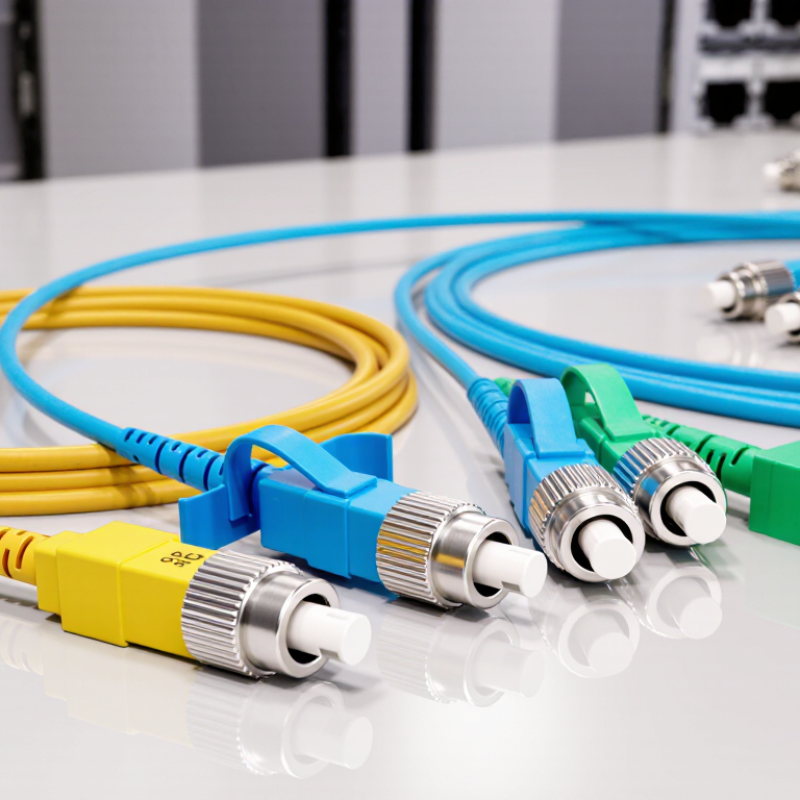
A fiber optic patch cord is a short cable with connectors attached at both ends. It links network equipment, patch panels, and fiber outlets. Unlike copper cable, it carries data as pulses of light through a glass or plastic core.
The cable usually contains a core, cladding, protective coating, and outer jacket. The cladding keeps light inside the core through controlled reflection. Connectors must align precisely with the fiber end face. Even a small dust particle can increase signal loss. That detail is easy to underestimate.
In practical installations, technicians check connector type, fiber mode, jacket rating, length, and insertion loss. Single-mode cords suit long-distance links, while multimode cords commonly serve shorter data-center connections. Polishing quality also matters. A scratched end face can weaken an otherwise excellent connection.
Correct routing protects performance. Avoid sharp bends, crushed sections, and excessive pulling force. A visible cable label helps during maintenance, especially inside crowded cabinets. Applicable IEC and ISO/IEC requirements provide useful testing guidance, but standards do not replace careful inspection. A common mistake is choosing a cord only by connector shape. The fiber type and equipment specifications must match. Sometimes a slightly longer cord is safer than a tightly stretched one. That choice may look untidy, yet it can prevent future damage.
How Fiber Optic Patch Cords Differ by Fiber Type
What Is the Best Fiber Optic Patch Cord in 2026?
Fiber type should guide your choice more than connector appearance. Single-mode OS2 uses a narrow core, commonly 9 micrometers wide. It carries signals over many kilometers at 1310 or 1550 nanometers. This makes it suitable for telecom rooms, campus links, and long data-center connections.
Multimode fiber has a larger core, usually 50 micrometers. OM3 and OM4 support short, high-speed links at 850 nanometers. OM5 can support multiple wavelengths, but its practical value depends on compatible equipment. The International Telecommunication Union reported 5.5 billion internet users in 2024. That growth increases pressure on dense network infrastructure. Still, faster equipment does not make every patch cord better. A short OM4 link may outperform a poorly installed single-mode link. I have seen clean-looking cords fail because their bend radius was ignored.
Tips: Match the cord to the installed fiber type. Check polarity, connector polish, insertion loss, and return loss. IEC 60793 and ITU-T G.651.1 provide useful technical references. For single-mode systems, verify compliance with ITU-T G.652 or bend-insensitive G.657 requirements. The 2024 FTTH Council Global Deployment Status report recorded continued expansion of fiber access networks worldwide. That trend favors OS2 for future-facing backbone links. Yet “future-proof” is an imperfect phrase. Equipment upgrades, not fiber alone, determine real capacity. Label both ends, inspect the end faces, and avoid tight coils near the rack door.
Which Fiber Optic Patch Cord Is Best for Different Applications?
The best fiber optic patch cord in 2026 depends on the application, not on one universal specification. In long-distance campus links, single-mode fiber with OS2 performance usually offers lower attenuation and greater reach. For short data center connections, multimode OM3 or OM4 fiber can support high-speed transmission over practical rack distances. Measure the actual link length first. Extra cable creates messy bends and avoidable losses.
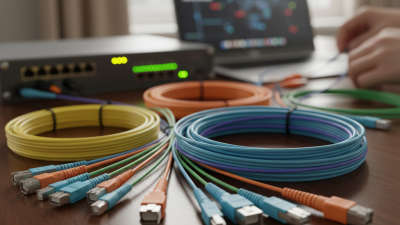
Connector choice also follows the environment. UPC connectors suit many standard telecom and network links, while APC connectors can reduce reflections in sensitive optical systems. Simplex cords fit one-way circuits, but duplex cords support common two-way connections. In dense racks, a bend-insensitive jacket helps protect signals around tight cable managers. Polarity must match the equipment layout. A mismatch can stop the link completely.
Field inspections often reveal the real problem. Dust on an end face may cause more trouble than a cheaper cable. Inspect and clean both connectors before testing insertion loss and return loss. Choose low-smoke, flame-resistant jackets for indoor installations, and tougher outdoor-rated designs for exposed routes. I once treated connector compatibility as a minor detail; it delayed testing and forced rework. That mistake still influences my selection process. Specifications matter, but installation discipline matters too.