Choosing the right bulk cat 6 cable affects network speed, stability, and installation costs. It is not simply a matter of buying the largest box. Cable construction, conductor material, performance rating, and installation conditions all matter.
Jim Hayes, a respected cabling educator and president of the Fiber Optic Association, states, “The best cable is the one that matches the application, installation, and budget.” This practical view applies well to bulk Cat 6 projects. A 1,000-foot box may suit a school renovation, office floor, or home wiring upgrade. However, the wrong cable can create waste. A cable that is too stiff may struggle around crowded ceiling spaces. A poorly chosen jacket may also fail outdoor or plenum requirements.
Real installations are rarely perfect. Walls contain surprises. Pathways become crowded. Measurements can be slightly wrong. That is why careful planning matters before purchasing bulk cat 6 cable. Buyers should check solid or stranded conductors, bare copper construction, cable length, jacket type, bandwidth, and certification details. Solid copper is normally preferred for permanent in-wall runs. Stranded cable is more flexible for patch cords.
Look beyond attractive speed claims. Cat 6 performance depends on connectors, termination quality, bend radius, and separation from power cables. One weak connection can reduce an otherwise capable system. This guide explains those details in clear terms. It also examines common mistakes, practical selection methods, and situations where Cat 6A may deserve consideration. The goal is dependable performance, not an impressive label on a carton.

Bulk Cat 6 cable is network cable sold in long, un-terminated rolls or boxes. Unlike ready-made patch cords, it has no plugs attached. Installers cut the required length and terminate each end with a connector or keystone jack. This format reduces waste in structured cabling projects, especially when outlets are separated by walls, ceilings, or equipment racks.
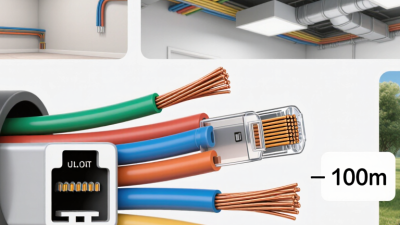
A typical Cat 6 cable contains four twisted pairs of copper conductors. Its design supports frequencies up to 250 MHz and commonly delivers 1 Gbps Ethernet over distances up to 100 meters. Under suitable conditions, it can support 10 Gbps over shorter runs, often up to 55 meters.
Actual performance depends on cable quality, termination, bend radius, electromagnetic interference, and installation workmanship. Small details matter.
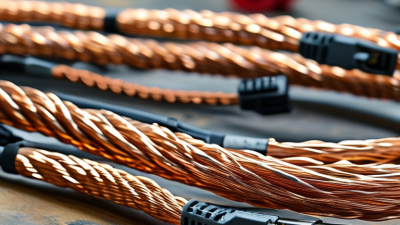
For dependable installations, I check whether the conductors are solid copper, not copper-clad aluminum. Solid copper usually provides better conductivity and more consistent termination. I also verify the jacket rating, such as riser, plenum, or low-smoke options, according to local building requirements.
Outdoor runs need suitable protection against moisture and sunlight. Do not pull the cable too tightly. That mistake is easy to make.
I have seen neat-looking installations perform poorly because the pairs were untwisted too far at the connector. The specification may look impressive, but careless handling can still weaken the link.
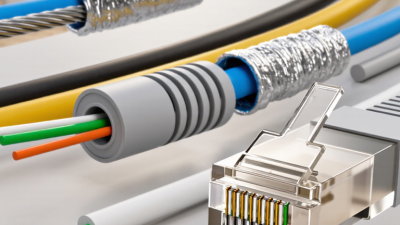
Bulk Cat 6 cable is a continuous network cable supplied on a reel or box. It is not a finished patch cord. An installer cuts the required length, routes it through walls, and terminates both ends.
Inside, four twisted copper pairs carry Ethernet signals. Each pair sends balanced electrical pulses, while twisting helps cancel noise from nearby power lines. A separator often keeps the pairs apart and limits internal interference. Cat 6 supports frequencies up to 250 MHz. It can deliver Gigabit Ethernet across a channel up to 100 meters when installation follows cabling standards. Higher data rates may work over shorter distances, but conditions matter.
Performance depends on more than the printed category. Solid conductors suit permanent runs because they maintain stable electrical contact. Stranded conductors bend easily, but they belong mainly in patch leads. Use compatible jacks, preserve the twist near each termination, and avoid sharp bends. A practical bend radius is usually four times the cable diameter, unless specifications say otherwise. Do not pull too hard. It can stretch the pairs and change their geometry.
Continuity testing alone is not enough. A certified tester can check insertion loss, crosstalk, and return loss. Even careful installers may create failures through untwisted ends or poor separation from mains wiring. Copper-clad aluminum may look economical, yet its resistance can make it unsuitable for compliant permanent links. Verify conductor material, jacket rating, and local installation requirements before buying.
Bulk Cat 6 cable is sold in long rolls for custom network installation. It supports frequencies up to 250 MHz. With proper termination, it can deliver 1 Gbps across 100 meters. Some systems reach 10 Gbps over shorter distances, often up to 55 meters. Actual results depend on cable quality, connectors, interference, and installation workmanship.
Check the conductor material carefully. Solid bare copper provides stable resistance and better performance than copper-clad aluminum. Choose 22–24 AWG conductors for dependable permanent links. UTP cable suits ordinary office environments. Shielded versions help control electromagnetic interference near motors, power equipment, or dense wiring. However, shielding needs proper grounding. Otherwise, it may create more problems than it solves.
Jacket ratings also matter. CMP cable is designed for plenum spaces, while CMR cable is commonly used for vertical runs. Follow local electrical requirements before installation.
Look for clear markings, verified test reports, and consistent pair geometry. A central separator can reduce pair interference. Keep the bend radius gentle, avoid tight pulling, and do not untwist pairs excessively near the plug.
Small details matter.
In practical installations, many failures come from poor termination rather than the cable itself. I have seen excellent cable perform poorly after careless crimping. That is worth remembering.
A certification tester can verify insertion loss, return loss, crosstalk, and wire mapping. Testing every completed link costs time, but it reveals mistakes that visual inspection misses.
Bulk Cat 6 cable is sold in long, un-terminated boxes or reels. Its cable type matters more than its color. Solid-core UTP is common for permanent wall runs because it keeps stable electrical performance. Stranded-core cable bends easily, but it suits patch cords better. ANSI/TIA-568.2-D defines Cat 6 performance up to 250 MHz, while structured cabling channels commonly extend to 100 meters. That distance includes patch cords, not only the cable in the wall.
Choose shielding based on the installation environment. U/UTP has no metal screen and works well in ordinary offices. F/UTP adds an overall foil shield near motors, elevators, or heavy power wiring. S/FTP uses braided and individual foil shielding, but it needs compatible grounded hardware. Outdoor cable needs a UV-resistant jacket, and direct-burial designs require protection against moisture. For ceilings, check the jacket rating. Plenum and riser ratings follow building safety requirements, not data speed.
I have seen installers buy shielded cable for a quiet office and create grounding problems. More protection is not always better. Solid copper is also essential; copper-clad aluminum can show higher resistance and poorer long-term results. ISO/IEC 11801-1 and TIA field-testing guidance support verification of insertion loss, return loss, and crosstalk after installation. Cat 6 can support Gigabit Ethernet across a 100-meter channel, while 10 Gigabit performance depends heavily on distance, connectors, noise, and installation quality. Read the test report, not just the box label.
Bulk Cat 6 cable is sold in long reels, making it practical for offices, homes, and structured network installations. Choosing the right cable requires more than checking the Cat 6 label. Look for solid bare-copper conductors when pulling permanent links through walls. Stranded cable is more flexible, but it suits patch cords better. Avoid copper-clad aluminum because it can increase resistance and create problems with Power over Ethernet.
Consider the installation environment carefully. Unshielded cable works well in typical rooms with limited electrical interference. Shielded cable may be useful near motors, fluorescent lighting, or dense power wiring. Check the jacket rating, too. Indoor plenum spaces may require plenum-rated cable, while outdoor routes need protection from moisture and sunlight. Cable length matters. A standard Ethernet channel should generally remain within 100 meters, including patch cables.
Tips: Measure the route before ordering, then add a small allowance for bends and mistakes. Choose a cable with clear markings, consistent conductor size, and documented test results. During installation, avoid sharp bends and excessive pulling force. Keep network cable separated from power cables where possible. I once underestimated a ceiling route and needed an extra reel, which delayed testing. That mistake was avoidable. Also, remember that “higher category” does not fix poor installation. A carefully terminated Cat 6 cable often performs better than a cheaper cable handled carelessly.